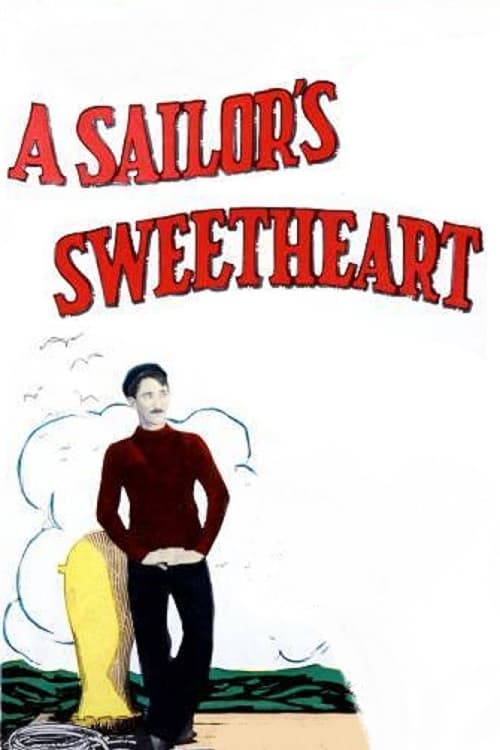
A Sailor's Sweetheart
1927
No user ratings available yet
Representation score: 1.2 out of 10
No Poster Available
Representation Score
Minimal
1926
PassedDirector
Erle C. Kenton
Runtime
70 minutes
Average Rating
No ratings yetNew Showbiz Analysis
The Palm Beach Girl is a typical romantic comedy of the 1920s, adhering closely to the social and moral norms of its era. It upholds traditional hierarchies and social order without challenging them. The film uses period-specific clichés, especially concerning gender and race. While it touches on racial themes through a misunderstanding, these elements are used for comedic effect and class-based anxiety rather than a deeper critique. Overall, the story is constructed to maintain the social order and private property of the era. It lacks the intention to disrupt the conventional expectations of silent-era cinema.
Category Breakdown
The film follows a typical romantic comedy storyline focused on Emily Bennett and Jack Trotter. There are no representations of LGBTQ+ identities or narratives that question the assumption that everyone is straight or cisgender.
Emily Bennett is the main character, but her role is limited to comedic mishaps and being a kidnapping victim. The film relies on the 'damsel in distress' cliché and traditional masculine stereotypes.
A plot point involves Emily being mistaken for a Black woman due to coal smoke. This is used for comedic effect and to highlight social embarrassment rather than exploring racial identity.
The story centers on maintaining the social hierarchy of 1920s Palm Beach. It operates within the conventional moral and social boundaries of the time.
The narrative does not include any visible or invisible disabilities as plot devices.
Present on Screen
Limited or Absent
Official Synopsis
Emily Bennett, arriving in Palm Beach on a train, puts her head out of the window and her face is smudged black from the locomotive's coal smoke. She is mistaken for a black girl and this embarrasses her two aunts who are hoping to join the Palm Beach social set. She later fails to impress playboy Jack Trotter when she bungles the christening of his motor-boat. Late she runs into some bootleggers who are loading liquor onto Jack's boat with intent to steal the boat. They have no wish of anyone knowing their intentions, so they kidnap Emily. As it turns out, the gangsters would have been better off by just leaving Emily where she was.
1927
1924
1919
1924

1940
1934
1931
1926
No reviews yet. Be the first to share your thoughts on this movie!
Use the rating form above to leave a star rating and optional review.