The Palm Beach Girl
1926
No user ratings available yet
Diversity score: 2.3 out of 10

1940
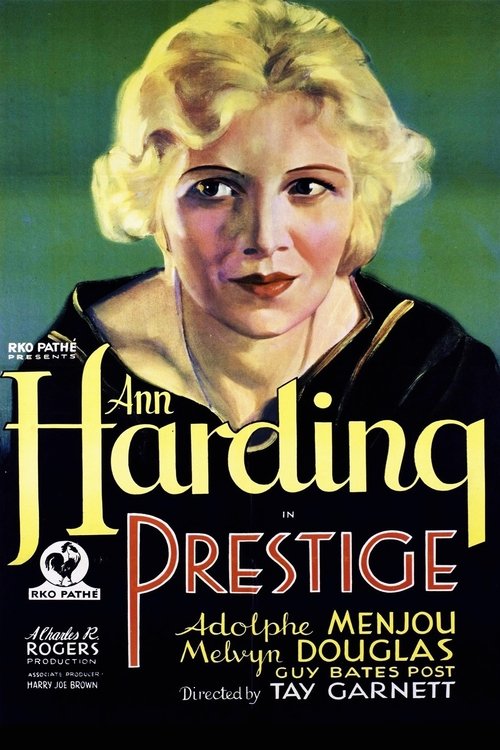
NRDirector
Tay Garnett
Runtime
87 minutes
Average Rating
No ratings yetSynopsis
Banished from various U.S. protectorates in the Pacific, a saloon entertainer uses her femme-fatale charms to woo politicians, navy personnel, gangsters, riff-raff, judges and a ship's doctor in order to achieve her aims.
Overall Score
Limited
Category Breakdown
LGBTQ+ Representation
The film follows conventional heteronormative patterns typical of 1940s cinema. There is no evidence of non-cisnormative gender identities or same-sex intimacy.
Gender Representation
The female lead utilizes the femme fatale trope to drive her own agenda. While she displays agency by manipulating powerful men, her influence is framed through romantic and sexual utility.
Racial & Ethnic Diversity
The cast appears largely homogeneous, focusing on Western and Anglo-centric social structures. There is little evidence of intersectional casting or diverse ethnic identities.
Religious & Cultural Diversity
The story explores theft and deception within a crime melodrama framework. It prioritizes individual transgressions over a systemic critique of Western institutions or capitalism.
Disability Representation
There is no discernible evidence of characters with visible or invisible disabilities being utilized as central plot devices or being afforded meaningful agency.
Strengths
Areas for Improvement
AI Analysis
Seven Sinners is a traditional period melodrama that adheres to the social and cinematic hierarchies of its era. The narrative prioritizes established genre tropes over the subversion of gender, racial, or systemic norms. The film relies on archetypes common to the 1940s studio system, focusing on romantic tension and narrative momentum. It reinforces conventional social structures rather than challenging them through diverse representation. Ultimately, the work functions as a standard adventure-comedy that reflects the limited social perspectives of its production period.
1926
1927

1941

1953
1940
1932
No reviews yet. Be the first to share your thoughts on this movie!
Use the rating form above to leave a star rating and optional review.