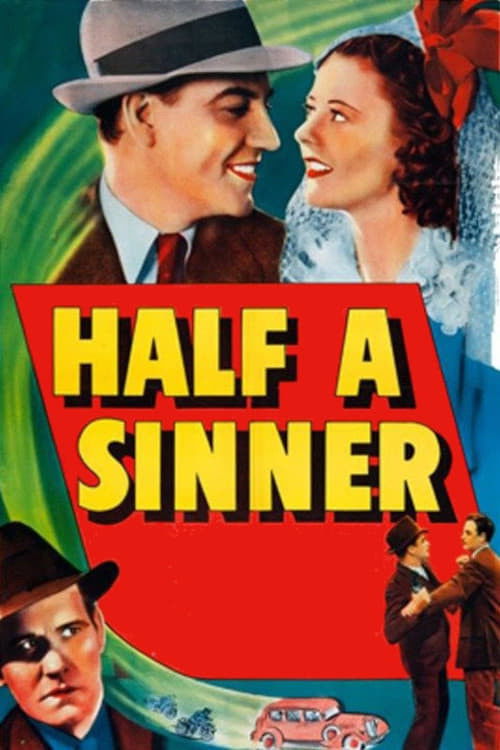
Half a Sinner
1940
No user ratings available yet
Representation score: 1.1 out of 10

Representation Score
Fair
1937
NRDirector
Malcolm St. Clair
Runtime
72 minutes
Average Rating
No ratings yetNew Showbiz Analysis
Time Out for Romance is a classic 1930s screwball comedy that prioritizes escapism over social critique. While the protagonist displays resourceful independence, the film’s world is built on rigid social hierarchies. The narrative relies on traditional clichés of wealth, class, and heterosexual marriage, lacking meaningful representation of diverse racial, ethnic, or LGBTQ+ identities. Reflecting the era’s standards, the film remains confined within the established social and racial boundaries of the time.
Category Breakdown
The film does not include any LGBTQ+ characters or non-straight identities. The plot centers around conventional romantic conflicts and marriage traditions.
Barbara Blanchard shows a significant role in driving the story by escaping an arranged marriage and using disguises to avoid legal troubles. However, the story is still framed by maternal interference and marital goals.
The cast appears primarily white and Anglo-Saxon. The narrative focuses on Western class structures, such as oil magnates and European nobility, without highlighting ethnic diversity.
The story critiques traditional family authority through a mother's manipulative matchmaking schemes. It stays rooted in capitalist themes of wealth and status without exploring secularist frameworks.
No characters with visible or invisible disabilities are present. The term 'mentally unbalanced' is used as a legal plot device rather than a nuanced character study.
Present on Screen
Limited or Absent
Official Synopsis
A girl escapes marriage and hitchhikes with a young man in whose car a jewel thief has planted his loot.
1940

1934

1937

1924

1937
1942

1941

1981
No reviews yet. Be the first to share your thoughts on this movie!
Use the rating form above to leave a star rating and optional review.