
The Regeneration
1915
No user ratings available yet
Representation score: 1.9 out of 10
Representation Score
Minimal
1920
Director
Rasmus Breistein
Runtime
72 minutes
Average Rating
No ratings yetNew Showbiz Analysis
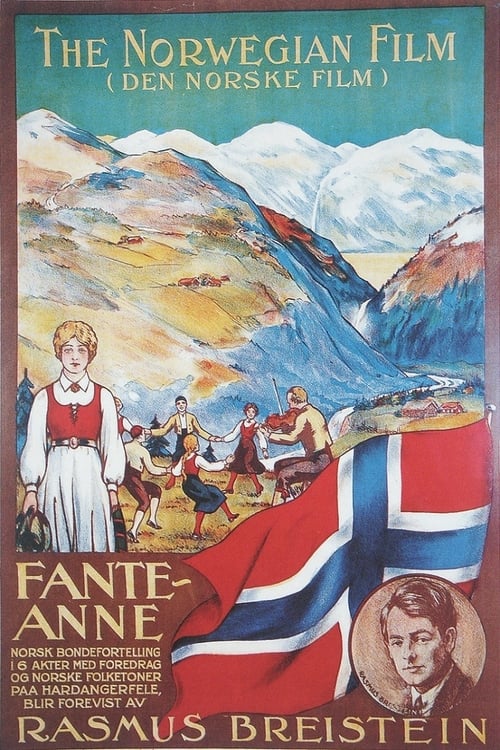
Fante-Anne is a foundational piece of Norwegian national romanticism that adheres strictly to the social hierarchies of its era. The film focuses on domestic stability and traditional family structures rather than challenging systemic norms. The narrative architecture is built around agrarian life and the importance of the family unit, creating a cohesive period piece but offering little in the way of diverse representation or social disruption. Ultimately, the film prioritizes historical realism and moral storytelling over the inclusion of diverse identities or non-traditional social perspectives.
Category Breakdown
The film does not include any LGBTQ+ characters or non-cisgender identities. It follows a traditional romantic storyline typical of the 1920s.
The story centers on a female protagonist, but the plot relies on conventional domestic roles. Themes of caretaking and dependency are emphasized.
Set in a rural Norwegian context, the cast appears ethnically uniform. There is no indication of diverse casting to challenge period social norms.
The narrative emphasizes the family unit and farmstead as stabilizing social pillars. It follows a standard moral trajectory regarding orphanhood and community integration.
There are no visible or invisible disabilities portrayed. No characters are identified as having physical or neurodivergent impairments.
Present on Screen
Limited or Absent
Official Synopsis
The story of an orphaned girl brought up by the Storlein family. Young Anne (Asta Nielsen) is brought as an infant to the Storlein farm by her mother, who has been traveling and is in need of a rest. The two are turned away at the door, and the mother takes her young daughter to the barn to sleep. The farmhand Jon discovers them in the morning but the mother has not made it through the night, so young Anne is taken in and raised by the family.
1915

1920

1925

1929
1961
1937
1919

1921
No reviews yet. Be the first to share your thoughts on this movie!
Use the rating form above to leave a star rating and optional review.