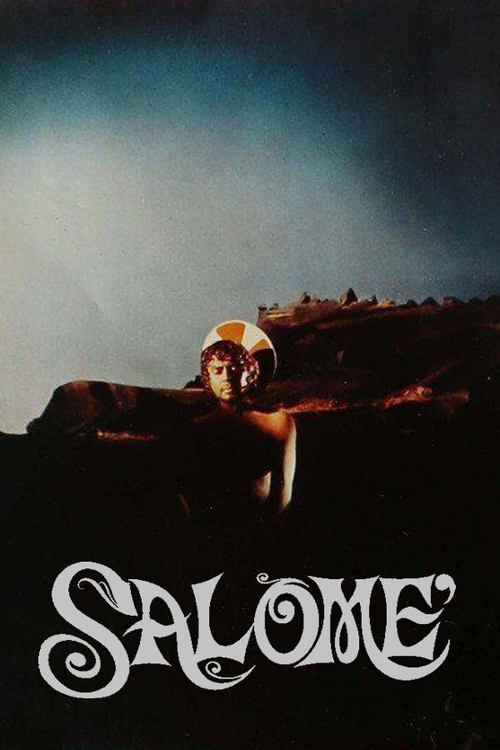
Salomé
1972
No user ratings available yet
Representation score: 5.3 out of 10

Representation Score
Fair
1986
RDirector
Claude d'Anna
Runtime
105 minutes
Average Rating
No ratings yetNew Showbiz Analysis
Claude d'Anna’s adaptation transforms Salomé from a passive figure into a powerful driver of both personal and political destruction. The film excels in subverting traditional gender roles and presenting a highly stylized, avant-garde perspective. However, the work is limited by its reliance on an Orientalist aesthetic that prioritizes visual motifs over authentic cultural representation. The narrative focuses on individual psychological obsessions rather than broader systemic or multi-layered critiques. Ultimately, the film serves as a postmodern exploration of decadence, challenging classical drama through formal experimentation but lacking engagement with contemporary progressive social frameworks.
Category Breakdown
The film centers on a tense relationship between Salomé, Herod, and John the Baptist. However, it does not explicitly depict queer-coded identities or non-traditional gender relationships.
Salomé is portrayed as a strong, intelligent protagonist who drives the plot through her intellect and physicality. She challenges the stereotype of the submissive woman by taking control of the narrative.
The production uses an Orientalist style to create a fantastical version of ancient Judea. This approach emphasizes stylistic decadence over authentic ethnic representation or nuanced cultural identity.
The story deconstructs religious authority by showing John the Baptist as a victim of political whims. The focus is more on fatalism and obsession than on broader political or secular critiques.
There is no evidence regarding the portrayal of visible or invisible disabilities within the film.
Present on Screen
Limited or Absent
Official Synopsis
John the Baptist, the prophet of Israel, is imprisoned by Herod, governor of Judea for protesting Herod's marriage to his brother's wife. Jealousies rage and Herod's step-daughter and niece Salome seduces Herod by means of a torrid dance to give her the head of the prophet - but then tries to save the life of the man she has thus condemned. Updated to a WWII setting
1972
1961

2013
1987

1953

1993

2021
1923
No reviews yet. Be the first to share your thoughts on this movie!
Use the rating form above to leave a star rating and optional review.