Phaedra
1962
No user ratings available yet
Representation score: 3.7 out of 10

Representation Score
Limited
1953
NRDirector
William Dieterle
Runtime
103 minutes
Average Rating
No ratings yetNew Showbiz Analysis
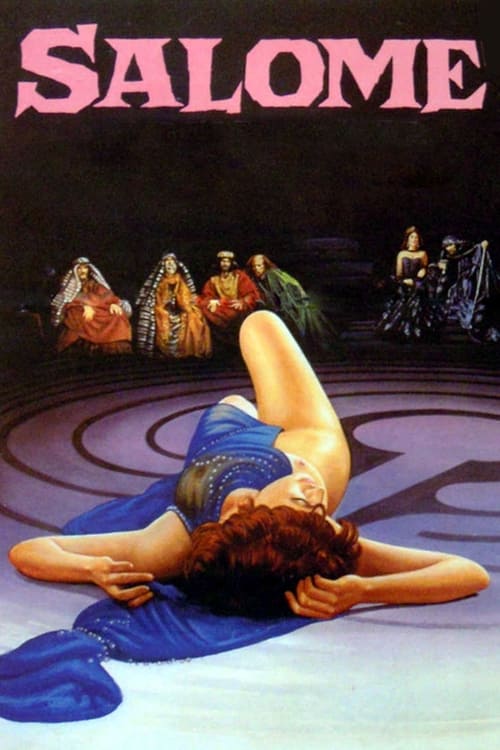
Salome (1953) contrasts its limited demographic range with rich character development. While the film adheres to the homogeneous visual standards of its time, it stands out in its portrayal of gender roles. By depicting Salome as a powerful, autonomous figure, the film challenges traditional gender hierarchies. Despite this, it remains confined to the racial and social norms of 1950s cinema. The narrative ultimately explores themes of obsession and power within a rigid society, offering a nuanced look at individual ability to act while still reflecting the era’s conventions.
Category Breakdown
The film does not include any explicit LGBTQ+ characters or non-straight relationships. The interpersonal dynamics center around heterosexual desires and power struggles between Herod, Herodias, and Salome.
Salome breaks the mold of passive female characters by being a key driver of the plot. She exerts significant influence over male figures, challenging the traditional 'damsel in distress' cliché.
The film features a predominantly white, Eurocentric cast, which does not reflect the diverse ethnicities of ancient Judea. This limits the visual representation of historical diversity.
The story delves into themes of moral decay and the corruption of religious and political institutions. However, it focuses more on personal obsessions and power struggles rather than broader socio-political critiques.
There are no prominent portrayals of physical or neurodivergent disabilities that play a central role in the narrative.
Present on Screen
Limited or Absent
Official Synopsis
In the reign of emperor Tiberius, Gallilean prophet John the Baptist preaches against King Herod and Queen Herodias. The latter wants John dead, but Herod fears to harm him due to a prophecy. Enter beautiful Princess Salome, Herod's long-absent stepdaughter. Herodias sees the king's dawning lust for Salome as her means of bending the king to her will. But Salome and her lover Claudius are (contrary to Scripture) nearing conversion to the new religion. And the famous climactic dance turns out to have unexpected implications...
1962
1961
1986
1976
1948
1939
2002

1951
No reviews yet. Be the first to share your thoughts on this movie!
Use the rating form above to leave a star rating and optional review.