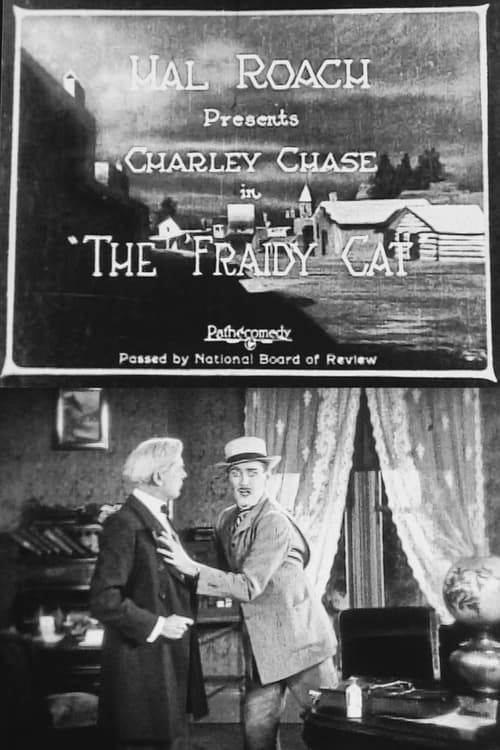
The 'Fraidy Cat
1924
No user ratings available yet
Representation score: 2.3 out of 10
Representation Score
Minimal
1922
PassedDirector
Fred C. Newmeyer
Runtime
60 minutes
Average Rating
No ratings yetNew Showbiz Analysis
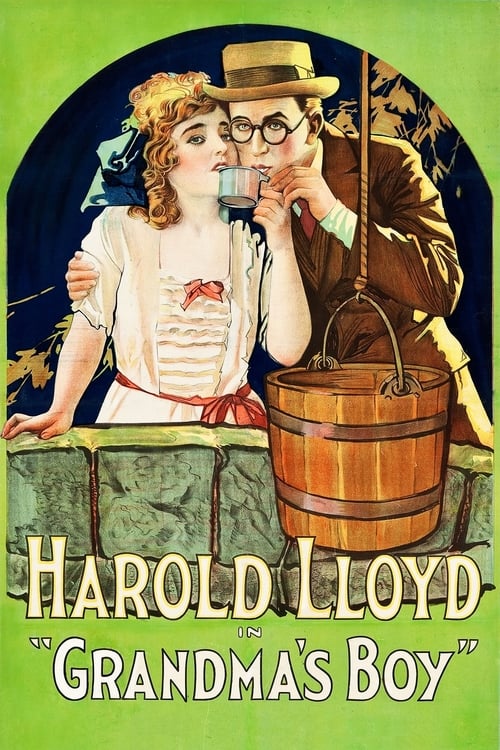
Grandma's Boy is a quintessential product of the silent era, prioritizing slapstick comedy and situational irony over social critique. The narrative follows a conventional path of a protagonist defending his community against a rogue outsider, which reinforces existing social hierarchies rather than challenging them. The film lacks intentionality regarding modern diversity standards. It operates within the demographic and gendered norms of 1922, focusing on traditional masculinity and community stability. Consequently, it offers little representation for underrepresented groups or non-traditional identities.
Category Breakdown
The film follows typical romance conventions of the 1920s. It does not include any non-straight relationships or critiques of traditional dating norms.
The story focuses on a man's journey from timidness to bravery. Female characters seem to play supporting roles without disrupting the existing gender hierarchy.
The production reflects the homogeneous casting practices of early Hollywood. There is no indication of a diverse cast or non-Anglo-Saxon majority.
The plot centers on protecting a town from a social outsider. This storyline upholds traditional Western values and the maintenance of the established social order.
There is no specific evidence of characters with disabilities or neurodivergence being used as central plot devices.
Present on Screen
Limited or Absent
Official Synopsis
A meek young man must find the courage within when a rogue tramp menaces his hometown.
1924
1927
1925

1928

1921

1923
1929
1925
No reviews yet. Be the first to share your thoughts on this movie!
Use the rating form above to leave a star rating and optional review.