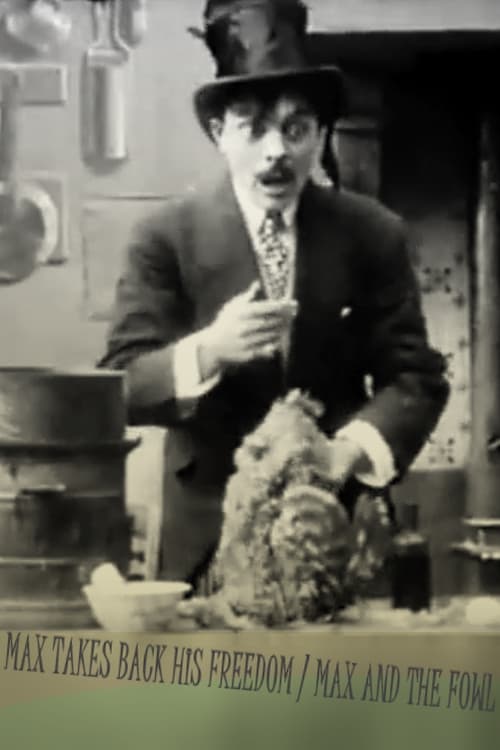
Max Takes Back His Freedom
1912
No user ratings available yet
Representation score: 0.2 out of 10
Representation Score
Minimal
1908
Director
Max Linder
Runtime
10 minutes
Average Rating
No ratings yetNew Showbiz Analysis
Max Linder's comedy relies on situational humor rather than intentional social commentary. While the film slightly challenges traditional gender roles by showing male incompetence, it lacks complexity in addressing multiple forms of diversity. The film reflects the limited diversity of early 20th-century cinema, focusing on a localized, Western domestic setting with a homogeneous cast. Overall, the film serves as a character-driven exploration of domestic conflict rather than a critique of broader social structures.
Category Breakdown
The film does not include any LGBTQ+ characters or those with non-conforming gender identities. It centers around a traditional heterosexual marriage.
The movie highlights a woman's ability to make decisions by showing her leaving an unsatisfying marriage. Humor comes from the husband's inability to handle household tasks, which challenges traditional gender roles.
Reflecting the time period, the film shows a homogeneous cast with no evidence of non-white actors or diverse ethnic backgrounds.
The story questions the idealized domestic unit by depicting marriage as a source of dysfunction. It mildly critiques the idea of perfect domesticity without addressing larger societal issues.
There are no characters with visible or invisible disabilities featured in the film.
Present on Screen
Limited or Absent
Official Synopsis
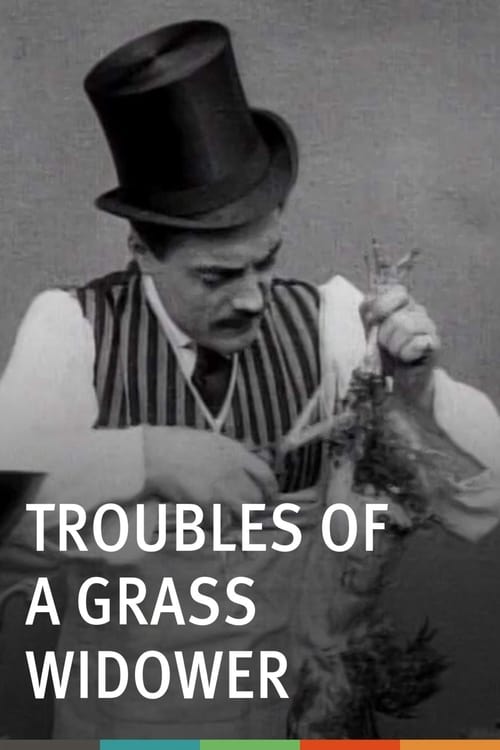
A housewife tires of her husband's annoying behavior and returns to her mother. At first, the husband is quite pleased to have the house all to himself. But he quickly discovers that even the most basic domestic chores can be fraught with difficulty.
1912
1978

1917
1940
1952
1915
1914
1917
No reviews yet. Be the first to share your thoughts on this movie!
Use the rating form above to leave a star rating and optional review.