The Yawner
1907
No user ratings available yet
Diversity score: 2.0 out of 10
No Poster Available
1900
Runtime
1 minutes
Average Rating
No ratings yetSynopsis
A gardener is watering a garden. A prankster stands on his hose halting the flow until he looks at the nozzle and gets a stream of water to the face. He notices the prankster and gives him his comeuppance. Remake of the Lumiere film Arroseur et arrosé.
Overall Score
Limited
Category Breakdown
LGBTQ+ Representation
The film focuses entirely on a physical gag between two men. There are no LGBTQ+ characters or narratives addressing non-cisnormative identities.
Gender Representation
The story features two male figures in a comedic struggle. While it lacks female agency, the prank provides a momentary equalizer between the characters.
Racial & Ethnic Diversity
The cast appears homogeneous, reflecting the demographic norms of 1900s Britain. There is no evidence of racial blending or characters of color.
Religious & Cultural Diversity
The narrative centers on individual mischief and retribution. It does not engage with systemic critiques or complex cultural deconstructions.
Disability Representation
The characters are presented as able-bodied participants in a slapstick routine. No visible or invisible disabilities are depicted.
Strengths
Areas for Improvement
AI Analysis
The Biter Bit is a foundational piece of early British slapstick that prioritizes physical comedy over social commentary. Its brief, non-verbal structure is designed for immediate impact through a simple prank and its subsequent retribution. Because the film is a period-specific vignette, it lacks the narrative depth to explore intersectional identities. The cast and themes reflect the limited demographic and social scope of early 1900s cinema. Ultimately, the film functions as a traditional comedic exercise rather than a vehicle for diverse representation or systemic subversion.
1907

1922
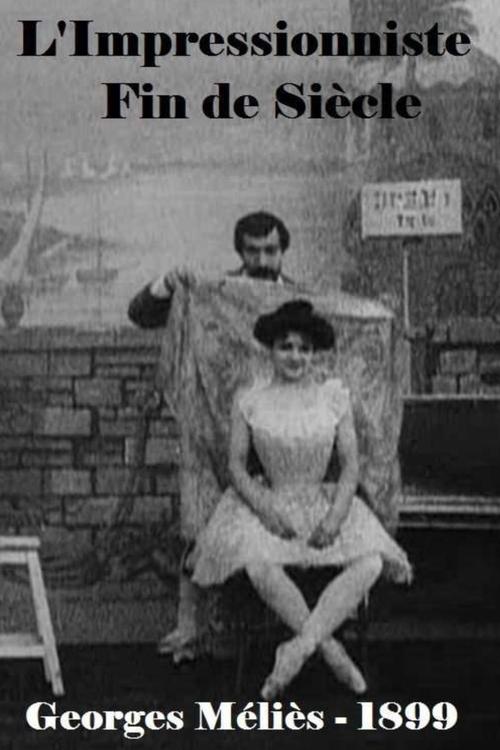
1899

1915
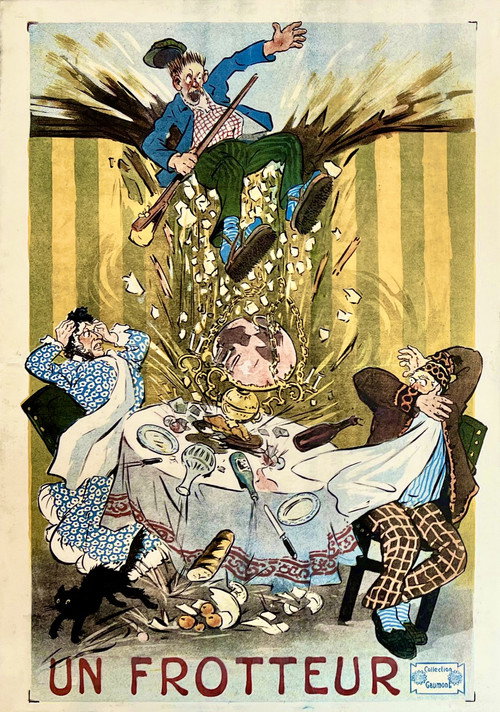
1907
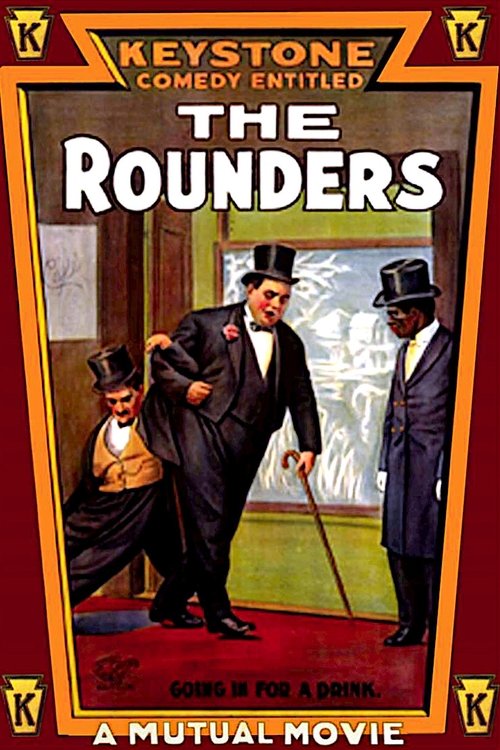
1914
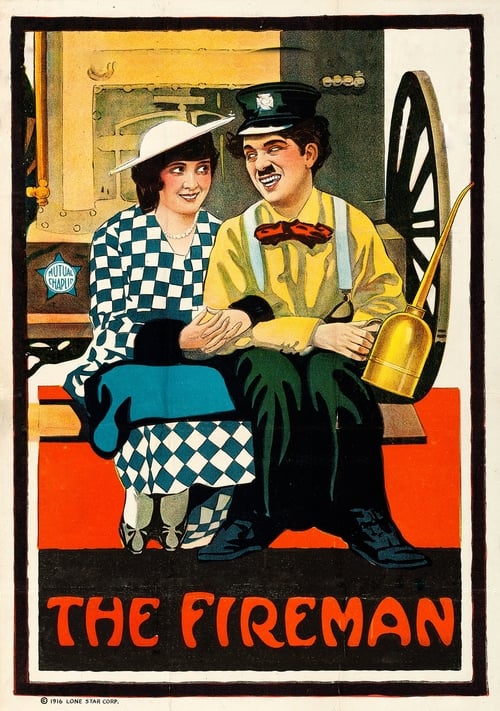
1916
1915

1907
1897
1909

1901
No reviews yet. Be the first to share your thoughts on this movie!
Use the rating form above to leave a star rating and optional review.