
The Ashlad and His Good Helpers
1961
No user ratings available yet
Diversity score: 2.2 out of 10
1978
Director
Ivan Aksenchuk
Runtime
10 minutes
Average Rating
No ratings yetSynopsis
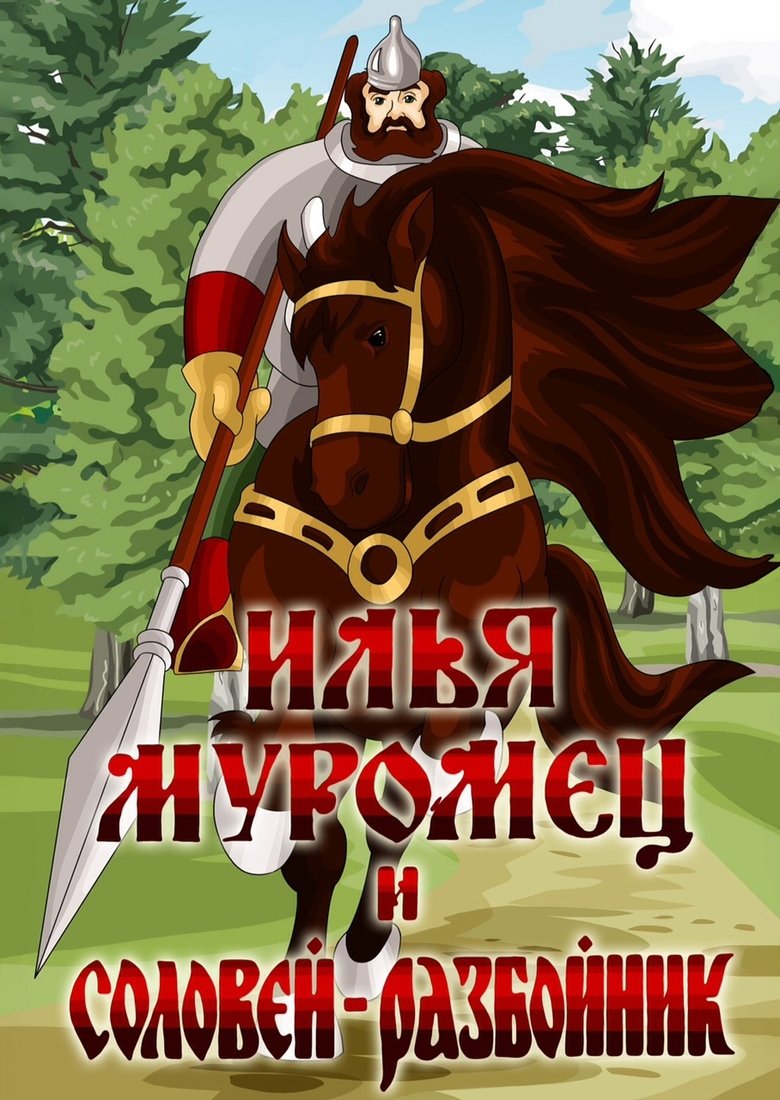
This is the second story from a series of adventures of the brave warrior Ilya of Murom. This time he is moving towards the city of Kiev and on the way accomplishes his great and small feats. Arriving at the gates of Chernigov city, Illya discovers that black vorogs are circling around the city. Having settled with them, Ilya Muromets meets the locals, who offer him the honorary position of governor. But the hero refuses the offer, because he needs to move towards Kiev and fight with evil spirits.
Overall Score
Limited
Category Breakdown
LGBTQ+ Representation
The film lacks LGBTQ+ characters or non-heteronormative dynamics. It operates within a traditional folkloric framework using conventional archetypes without queer-coded subtext.
Gender Representation
Agency is concentrated almost exclusively in male protagonists like Ilya Muromets. Female characters occupy secondary roles that support the central male-driven martial narrative.
Racial & Ethnic Diversity
Character designs are homogeneous, reflecting the specific ethnic identity of the Kievan Rus' setting. The film maintains consistent ethnic iconography rather than offering intersectional representation.
Religious & Cultural Diversity
The narrative celebrates patriotism and the preservation of cultural mythos. It reinforces feudal social hierarchies and the importance of communal identity and heroic duty.
Disability Representation
Physical traits often serve as narrative devices or obstacles for the hero. There is no nuanced portrayal of neurodivergence or chronic illness with personal agency.
Strengths
Areas for Improvement
AI Analysis
This animated feature functions as a traditional adaptation of Slavic folklore, prioritizing historical and mythological accuracy over social subversion. The narrative architecture is built upon established archetypes of the Kievan Rus' period. While the film succeeds in preserving cultural heritage, it reinforces conventional hierarchies. Gender roles are strictly defined by martial prowess, and the social structure adheres to feudalist values of duty and state protection. Ultimately, the work serves as a celebration of historical mythos. It does not attempt to provide progressive social critique or diverse intersectional representation, remaining firmly rooted in its specific cultural context.
1961
2025
1979

2022
1969
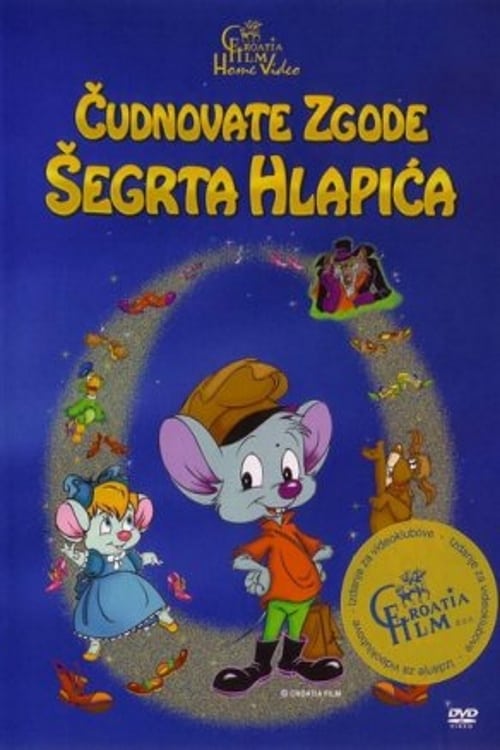
1997
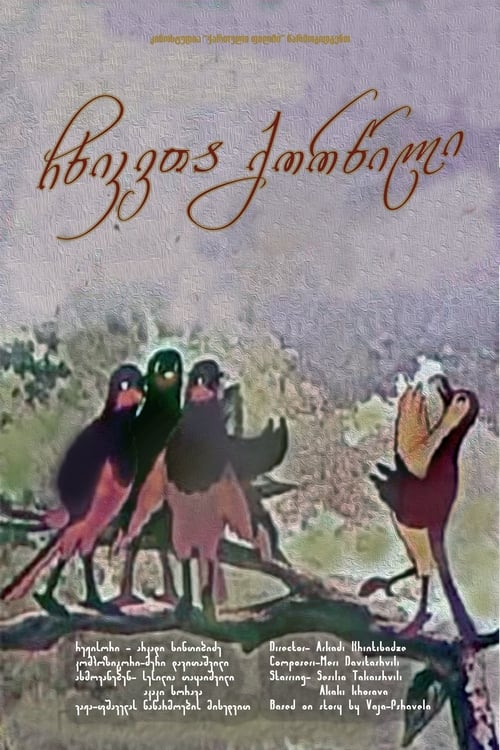
1958
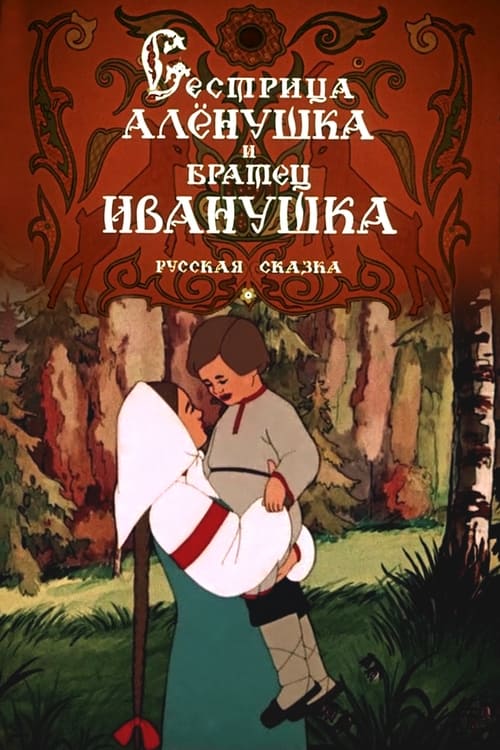
1953
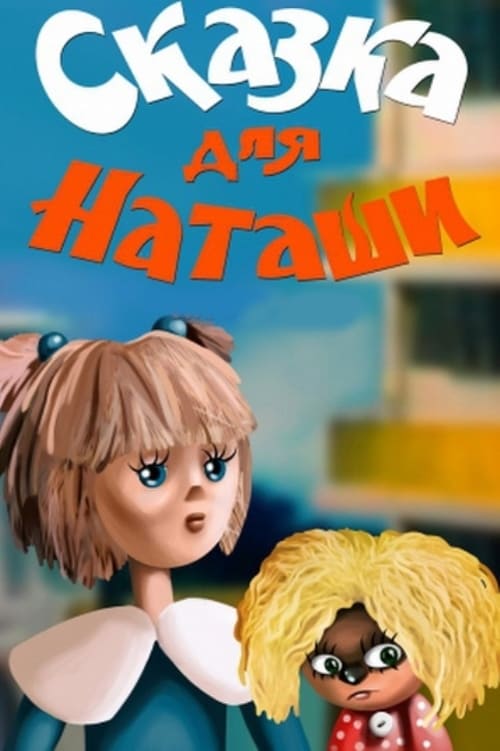
1986
1965
1979
1948
No reviews yet. Be the first to share your thoughts on this movie!
Use the rating form above to leave a star rating and optional review.