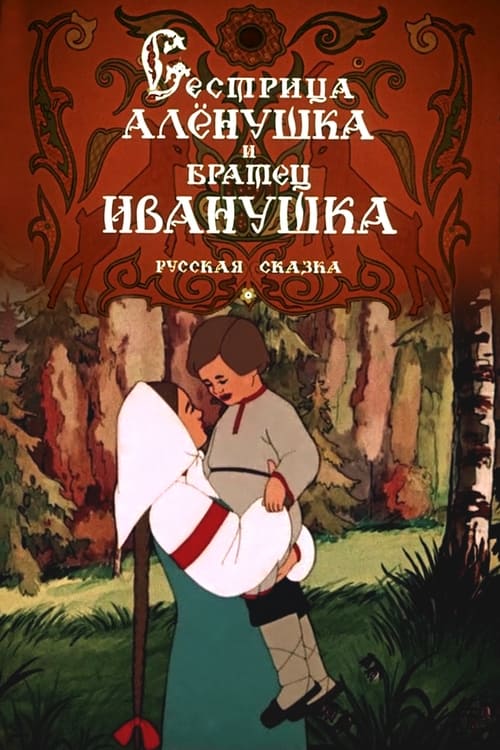
Sister Alyonushka and Brother Ivanushka
1953
No user ratings available yet
Representation score: 1.9 out of 10
Representation Score
Minimal
1949
Director
Valentina Brumberg, Zinaida Brumberg
Runtime
20 minutes
Average Rating
No ratings yetNew Showbiz Analysis
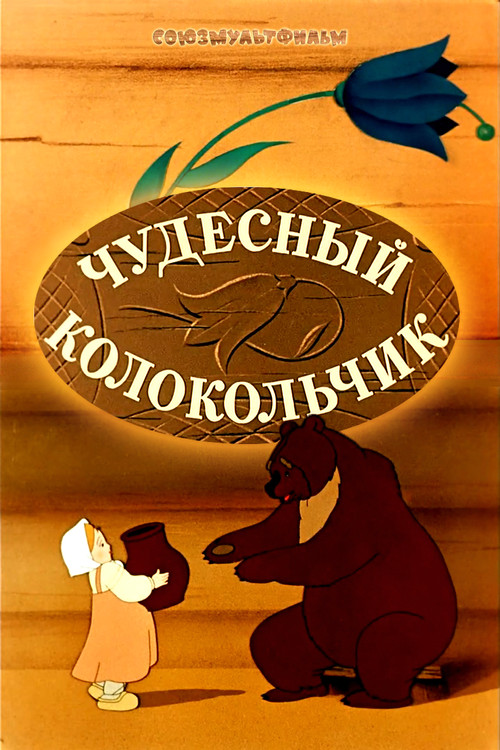
The Miraculous Bell is a traditionalist cultural artifact that prioritizes moral archetypes over the way different parts of someone's identity overlap. As a 1949 Soviet animation based on the Russian folk tale 'Daughter and Stepmother,' the film functions within the ideological constraints of its era. The narrative reinforces established social hierarchies and folkloric clichés. While it provides a glimpse into Soviet values regarding communal virtue and the triumph of the virtuous, it lacks the complexity needed for progressive representation. Ultimately, the film serves to uphold traditional structures rather than disrupt them, focusing on the conflict between selfless virtue and selfish greed.
Category Breakdown
The film adheres to traditional Russian folklore and family structures, with no representation of LGBTQ+ identities or narratives that question the assumption that everyone is straight or cisgender.
Characters likely conform to mid-century gender roles, such as the virtuous daughter or the malicious stepmother. The film upholds binary archetypes rather than challenging them.
The cast is ethnically uniform, celebrating Slavic cultural heritage. It does not employ diverse casting to challenge the ethnic status quo of the time.
The story highlights collective morality and criticizes individual greed. It operates within a state-sanctioned moral framework focused on social cohesion.
There is no evidence of characters with disabilities portrayed with a significant role in driving the story. Physical impairments are either absent or used as superficial plot devices in this folk-tale structure.
Present on Screen
Limited or Absent
Official Synopsis
Soviet animation film based on the Russian folk tale " Daughter and stepmother".
1953

1955
1956
1979
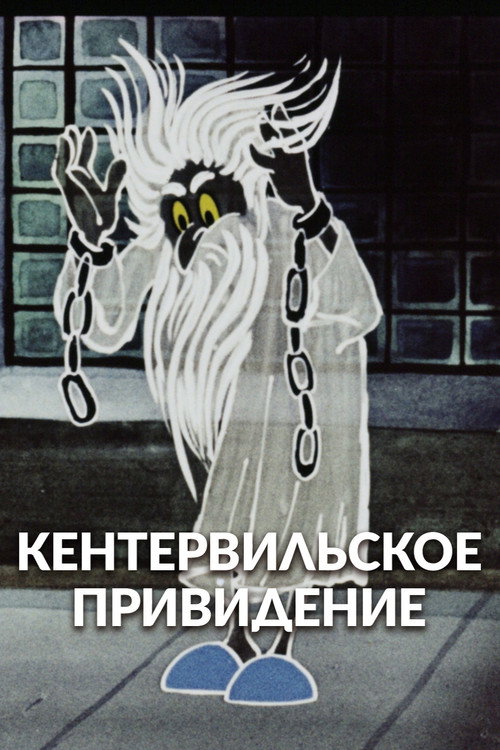
1970
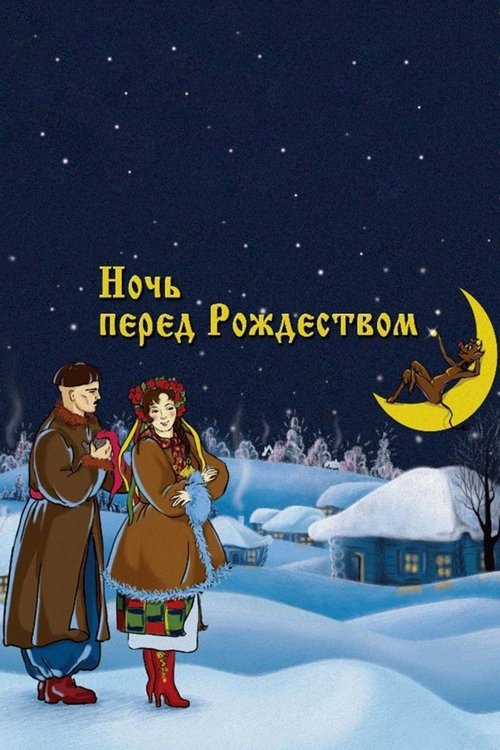
1951
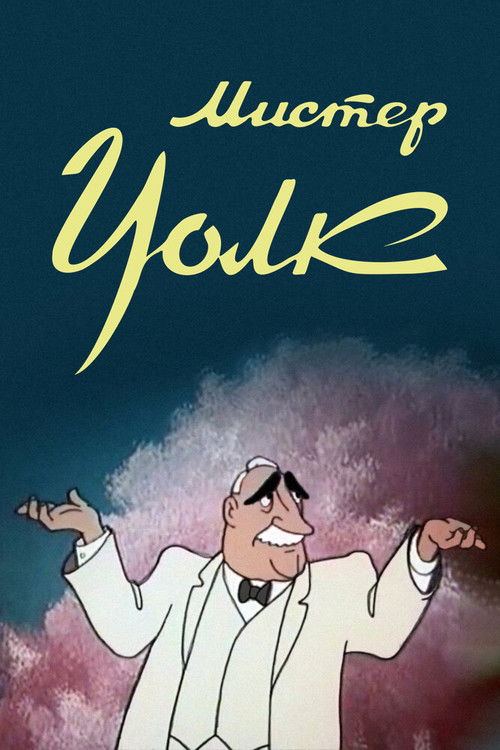
1949
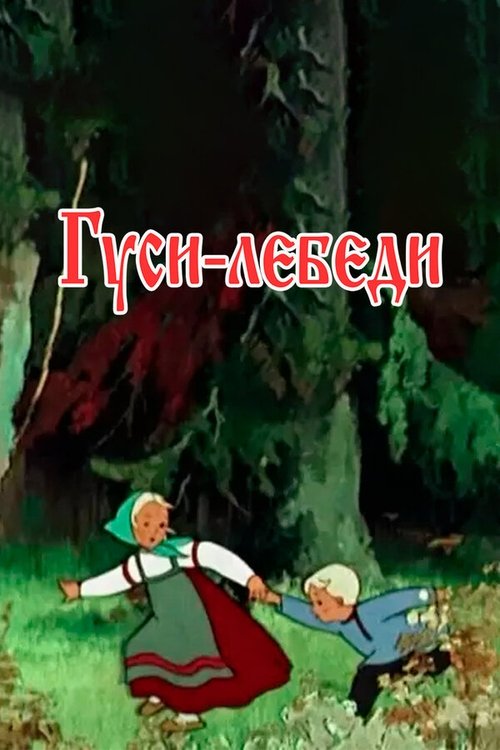
1949
No reviews yet. Be the first to share your thoughts on this movie!
Use the rating form above to leave a star rating and optional review.