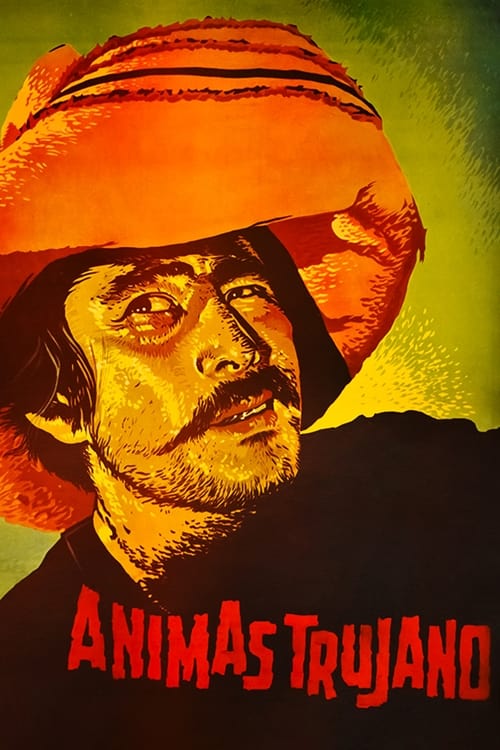
The Important Man
1961
No user ratings available yet
Diversity score: 5.2 out of 10

1963
Director
Ismael Rodríguez
Runtime
110 minutes
Average Rating
No ratings yetSynopsis
A deaf and mute vagabond finds a large denomination bill in a Mexico City dump, and while he tries to buy something with it, others try to con him into giving it away. The film was selected as the Mexican entry for the Best Foreign Language Film at the 36th Academy Awards, but was not accepted as a nominee.
Overall Score
Fair
Category Breakdown
LGBTQ+ Representation
The film contains no evidence of non-heteronormative identities. The narrative focuses entirely on the protagonist's struggle with physical disability and social deception.
Gender Representation
The story centers on a male protagonist without subverting traditional gender hierarchies. The supporting cast appears to follow conventional dramatic structures of the era.
Racial & Ethnic Diversity
As a Mexican Golden Age production, the film centers on local identity. It provides a non-Anglo-centric perspective that disrupts Western-centric cinematic norms.
Religious & Cultural Diversity
The film critiques urban corruption and predatory social classes. However, it functions as a social melodrama that reinforces moral lessons rather than deconstructing institutions.
Disability Representation
The deaf and mute protagonist drives the plot. While his sensory impairments make him vulnerable to exploitation, the narrative grants him agency through his economic attempts.
Strengths
Areas for Improvement
AI Analysis
Ismael Rodríguez’s drama offers a focused character study of a marginalized individual. By centering a deaf and mute vagabond, the film provides a nuanced portrayal of sensory-impaired experiences within a predatory urban environment. However, the film remains rooted in traditional social structures. It lacks intersectional complexity, functioning more as a classic melodrama about individual vulnerability than a systemic critique of society. While the film succeeds in providing a localized, non-Western perspective, it misses opportunities to explore broader social or identity-based subversions.
1961
1948

1968

1972
1955

1988
1986

2017
1959

1973

1956

1946
No reviews yet. Be the first to share your thoughts on this movie!
Use the rating form above to leave a star rating and optional review.