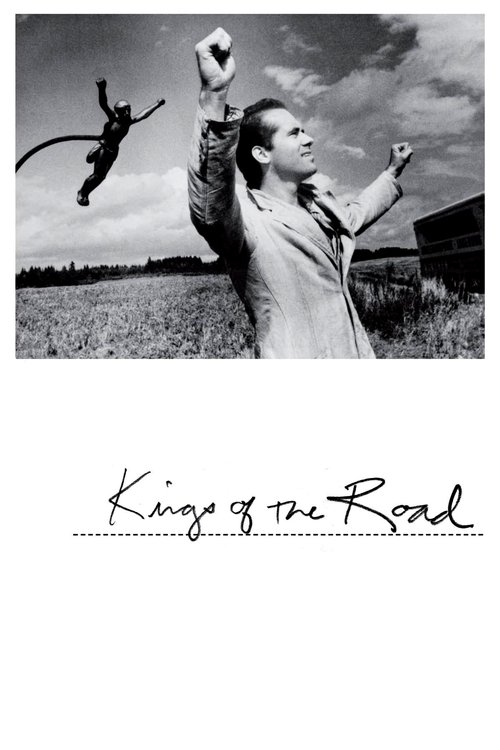
Kings of the Road
1976
No user ratings available yet
Diversity score: 3.6 out of 10

1988
Director
Ermanno Olmi
Runtime
127 minutes
Average Rating
No ratings yetSynopsis
Andreas Kartak, a homeless man living under the bridges of Paris is lent 200 francs by a stranger as long as he promises to repay it to a local church when he can afford to. Kartak is determined to pay back his debt but circumstances, and his alcoholism, forever intervene.
Overall Score
Fair
Category Breakdown
LGBTQ+ Representation
The film focuses entirely on the relationship between the protagonist and his benefactor. There are no LGBTQ+ characters or explorations of non-heteronormative identities present.
Gender Representation
The narrative is heavily male-centric and lacks female agency. Women are largely absent from the central arc, which focuses on masculine experiences of poverty.
Racial & Ethnic Diversity
Set in a localized European urban environment, the film presents a largely homogeneous narrative. It does not actively seek to disrupt racial or ethnic norms.
Religious & Cultural Diversity
The story offers a sophisticated critique of capitalist structures and materialist values. It challenges traditional religious morality by exploring the tension between institutional debt and individual sanctity.
Disability Representation
Addiction and homelessness are treated with nuance rather than as spectacle. The protagonist's alcoholism is presented as a central part of his identity and dignity.
Strengths
Areas for Improvement
AI Analysis
Ermanno Olmi’s film is a deeply philosophical work that prioritizes spiritual inquiry over demographic breadth. It succeeds by subverting Western social hierarchies and questioning the necessity of economic participation through its protagonist's struggle. While the film lacks representation regarding gender, race, and LGBTQ+ identities, it finds strength in its intellectual depth. It avoids common tropes of suffering, instead treating the protagonist's condition as a complex facet of his humanity. Ultimately, the film functions as a critique of materialism. It trades broad social diversity for a concentrated, meaningful exploration of moral relativism and the individual's relationship to institutional power.
1976

1997

1952

1997

1993

1984
1980

1991
1970

1980
1963
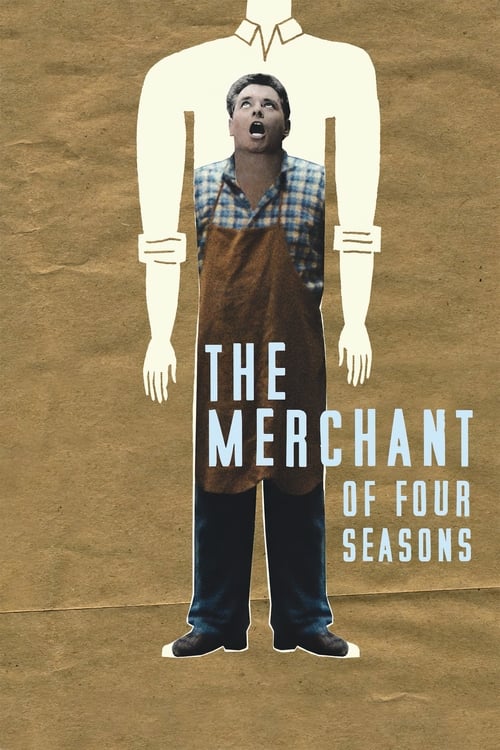
1972
No reviews yet. Be the first to share your thoughts on this movie!
Use the rating form above to leave a star rating and optional review.