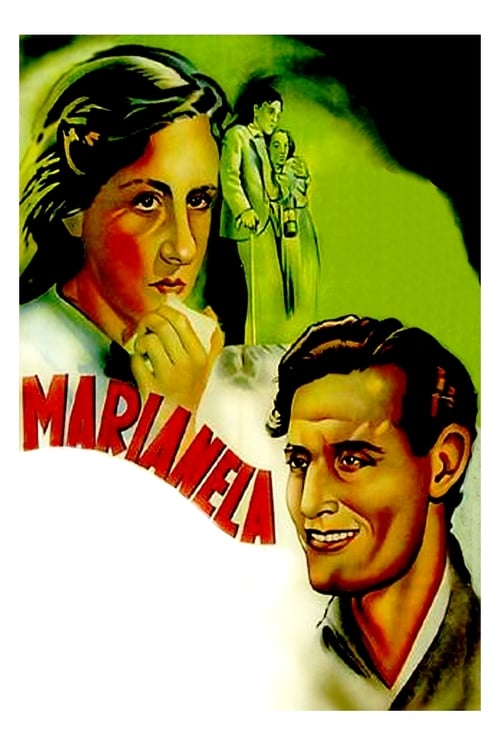
Marianela
1940
No user ratings available yet
Diversity score: 4.0 out of 10
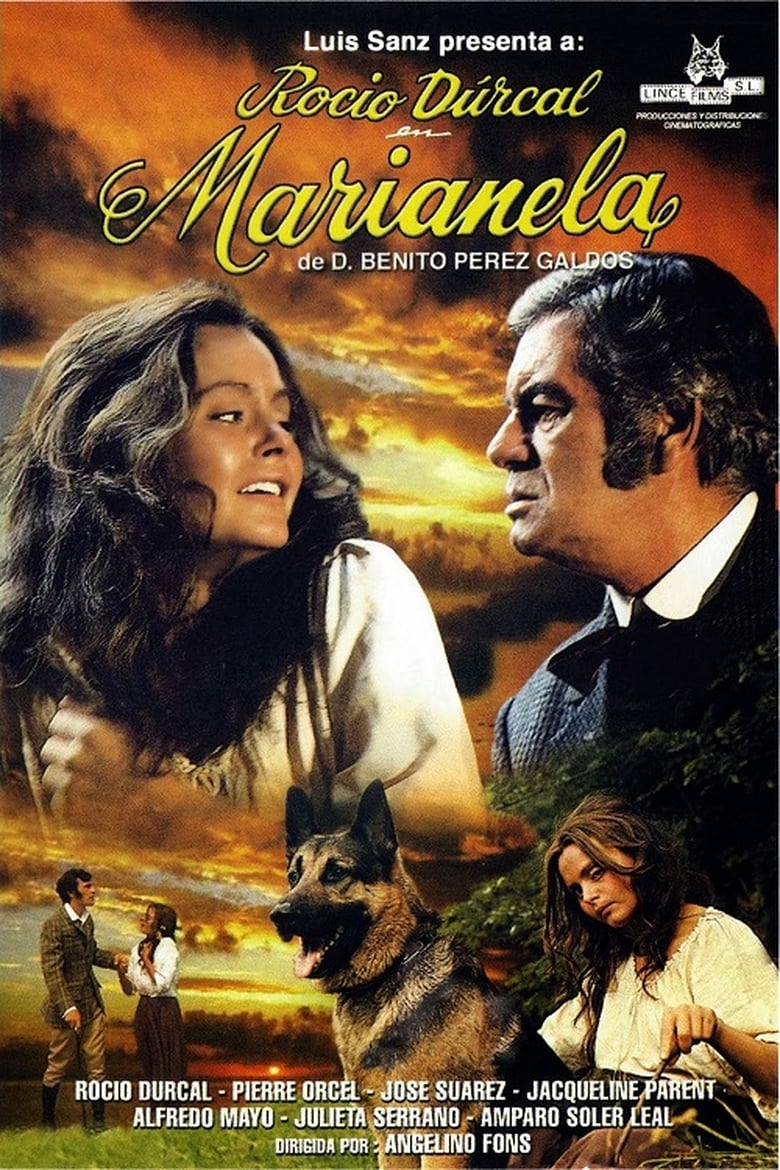
1972
Director
Angelino Fons
Runtime
105 minutes
Average Rating
No ratings yetSynopsis
Marianela is a poor girl with a disfigured face who works as Pablo's guide, a blind young man from a wealthy family. Pablo falls in love with Marianela because of her spirit and vitality and imagines her as the most beautiful woman in the world. When Pablo has the chance to recover his sight, Marianela becomes very sad because she is sure that the young man will reject her when he can see her
Overall Score
Fair
Category Breakdown
LGBTQ+ Representation
The film lacks LGBTQ+ characters or explorations of non-heteronormative identities. Romantic tension is strictly confined to traditional heteronormative dynamics.
Gender Representation
While centering on the female experience, the film reinforces traditional vulnerabilities. Marianela's agency is limited by social standing and aesthetic expectations within a patriarchal framework.
Racial & Ethnic Diversity
The rural Spanish setting depicts a relatively homogeneous population. The narrative focuses on class-based distinctions rather than ethnic or racial intersectionality.
Religious & Cultural Diversity
The story critiques rigid class structures and the divide between aristocracy and peasantry. It highlights how institutionalized inequality causes profound suffering for the marginalized.
Disability Representation
The film offers a central exploration of blindness and physical disfigurement. It treats these impairments as fundamental to the characters' lived realities rather than mere plot devices.
Strengths
Areas for Improvement
AI Analysis
Marianela is a naturalist drama that excels in its nuanced portrayal of disability and class struggle. It avoids superficial tropes, instead focusing on the psychological impact of physical impairment and the cruelty of social hierarchies. However, the film is limited by its era's social frameworks. It lacks LGBTQ+ representation and operates within a traditional gendered structure where female agency is heavily dictated by male perception and social status. Ultimately, the work is a poignant critique of systemic inequality, even if it remains tethered to a homogeneous, traditionalist worldview.
1940
1973
2014
1954
1991
1963
1982
1989
2012

2013

2016
1985
No reviews yet. Be the first to share your thoughts on this movie!
Use the rating form above to leave a star rating and optional review.