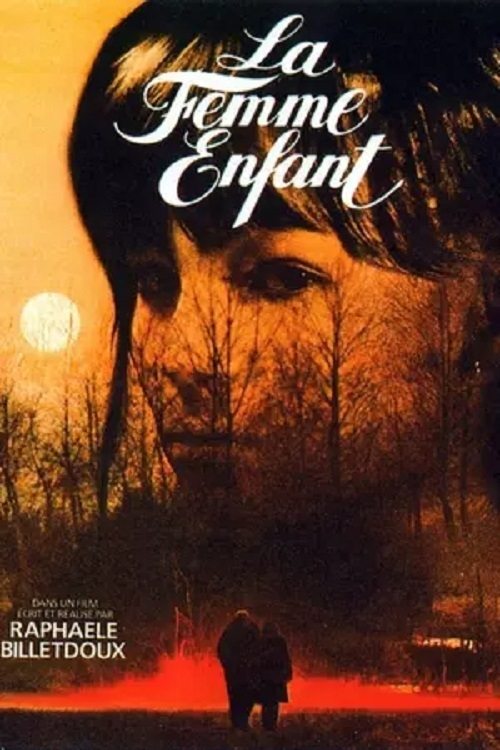
The Child Woman
1980
No user ratings available yet
Diversity score: 5.5 out of 10
1956
Director
Lorenza Mazzetti, Denis Horne
Runtime
52 minutes
Average Rating
No ratings yetSynopsis
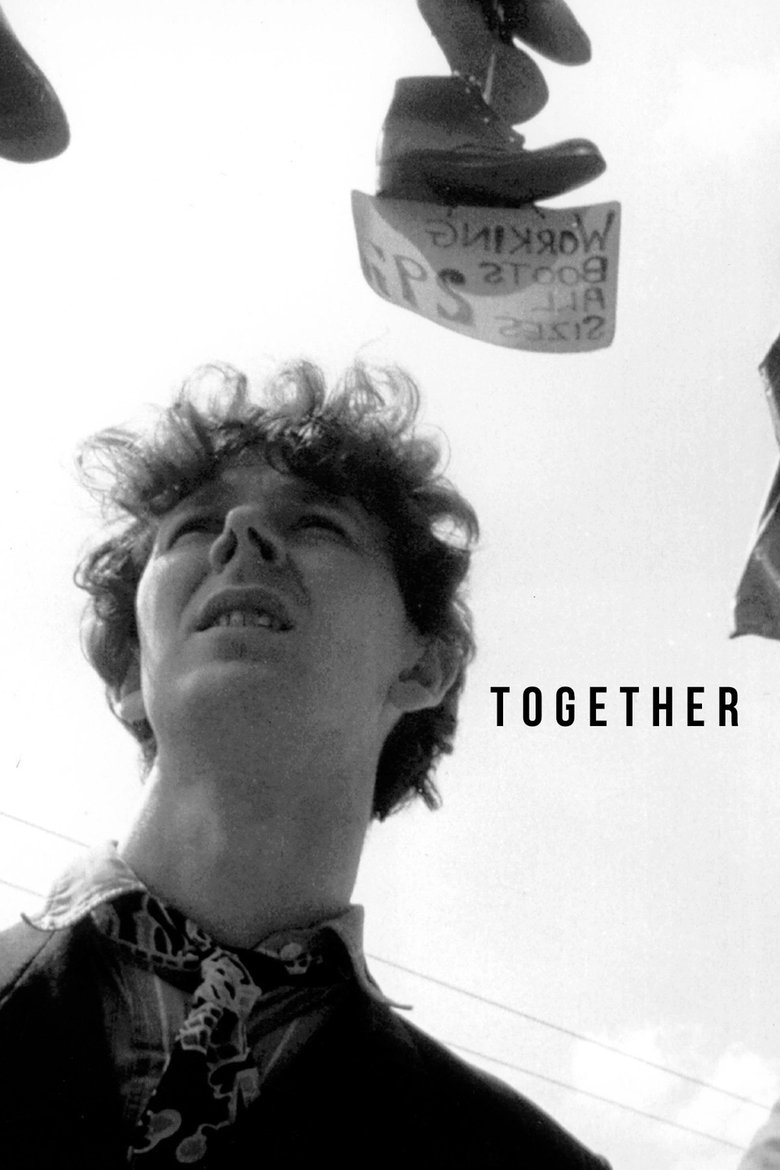
The workaday boredom and crushing hardships of London's East End in the 1950s, seen from the point of view of two deaf-mutes who share a strong bond of friendship.
Overall Score
Fair
Category Breakdown
LGBTQ+ Representation
The film centers on a profound, non-verbal bond between two displaced individuals. While it lacks explicit queer identifiers, the unconventional companionship exists outside traditional social structures.
Gender Representation
The narrative disrupts traditional hierarchies by focusing on shared vulnerability. Characters are defined by their mutual isolation rather than adherence to standard gendered social roles.
Racial & Ethnic Diversity
Set in post-war London's East End, the film reflects a relatively homogeneous social environment. There is no evidence of significant racial blending within the narrative.
Religious & Cultural Diversity
The film critiques the hardships of post-war reconstruction. It prioritizes the lived experiences of the marginalized over the celebration of national or institutional progress.
Disability Representation
The story excels by centering the agency of two deaf-mute characters. Their unique communication style explores deep human connection without relying on common cinematic tropes.
Strengths
Areas for Improvement
AI Analysis
Together is a significant work of poetic realism that elevates perspectives typically rendered silent by society. Its primary strength lies in its sophisticated exploration of sensory-impaired experiences, moving beyond mere plot devices to provide a nuanced study of resilience. However, the film remains limited by the social context of its era. It lacks significant racial and LGBTQ+ visibility, focusing instead on a more homogeneous depiction of the London working class. Ultimately, the film succeeds by disrupting traditional hierarchies. It replaces standard, institutionally-focused storytelling with a narrative architecture built on emotional interdependence and social displacement.
1980
2012

2006
1962

1975

2009
1968
1963

1977
1987
1973
1969
No reviews yet. Be the first to share your thoughts on this movie!
Use the rating form above to leave a star rating and optional review.