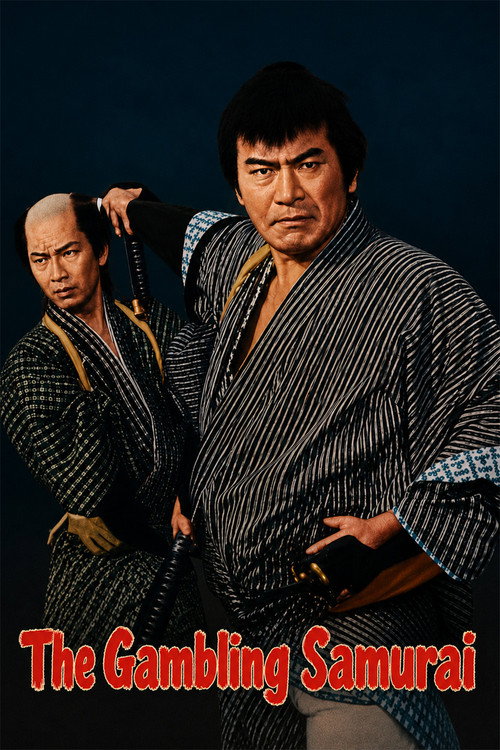
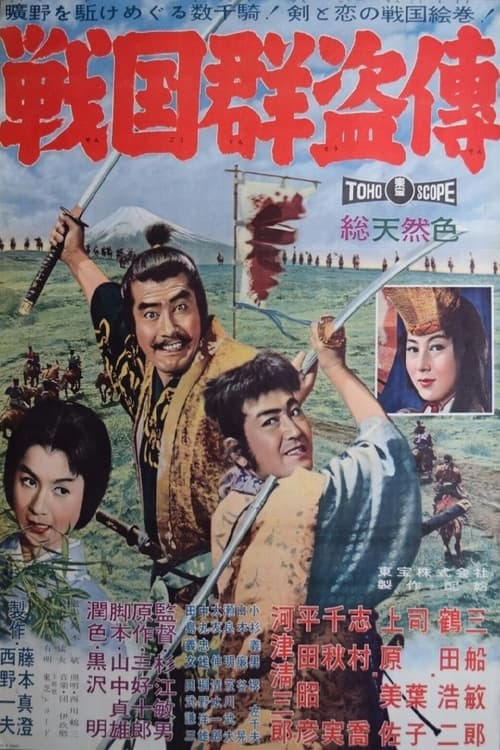
The Gambling Samurai
1960
No user ratings available yet
Representation score: 1.8 out of 10
Representation Score
Limited
1959
Director
Toshio Sugie
Runtime
115 minutes
Average Rating
No ratings yetNew Showbiz Analysis
Saga of the Vagabonds is a period drama that uses the chanbara genre to critique rigid class structures. While it adheres to traditional gender and racial compositions of its era, it subverts expectations through its narrative structure. The film's strength lies in its social commentary. By employing a Robin Hood archetype, it questions the legitimacy of the ruling class and suggests that familial lineage can be a source of corruption rather than virtue. However, the film remains limited by its focus on male-driven ability to act and its lack of diverse identity representation. It functions more as a study of class-based 'otherness' than a diverse character study.
Category Breakdown
The film does not include any queer narratives or characters with non-straight identities. The story centers around the socioeconomic struggles and the bond between Taro and Rokuro.
The narrative is dominated by male-centric conflicts and political maneuvering, emphasizing masculine leadership and fraternal bonds, which reflect a traditional gender hierarchy common in period action dramas.
Set in Sengoku-era Japan, the cast is ethnically uniform. However, the film explores exclusion by portraying outlaws as a social class that challenges the dominant order.
The film provides a progressive critique of feudalism by depicting the nobility as corrupt. It promotes a redistributionist philosophy, where outlaws act as moral agents for the poor.
There is no information available regarding the representation of physical or neurodivergent characters in this work.
Present on Screen
Limited or Absent
Official Synopsis
Lord Taro must deliver a money chest but is robbed by brigands led by Jibu. One of Jibu's men, Rokuro, steals the money from Jibu, but after meeting and befriending Taro, Rokuro decides to return the money to Taro. But Taro's unscrupulous brother Jiro falsely accuse Taro of the theft, and Taro reactively joins the outlaw band and encourages them to steal from the nobles and give to the poor.
1960

1964
1958
1955
1969
1952
1966
1960
No reviews yet. Be the first to share your thoughts on this movie!
Use the rating form above to leave a star rating and optional review.