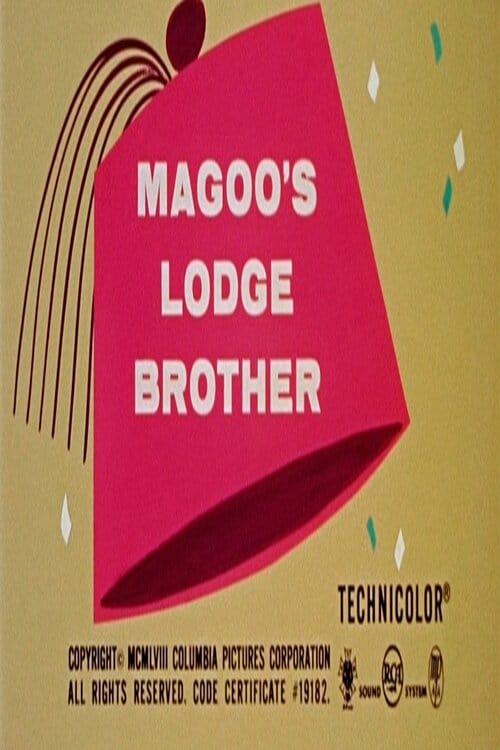
Magoo's Lodge Brother
1959
No user ratings available yet
Representation score: 2.8 out of 10
Representation Score
Limited
1959
ApprovedDirector
Chris K. Ishii, Jack Goodford
Runtime
7 minutes
Average Rating
No ratings yetNew Showbiz Analysis
Terror Faces Magoo is a product of its time, relying on mid-century comedic structures and slapstick humor. The narrative prioritizes established social hierarchies and conventional clichés over meaningful demographic representation. The film operates within a narrow framework, focusing on a male-centric conflict involving homeownership and property. It lacks the intentionality needed to challenge the prevailing cultural norms of the late 1950s. Ultimately, the work reflects a homogeneous Western environment, using character traits like Magoo's visual impairment primarily as tools for situational irony rather than for character depth.
Category Breakdown
The film does not include any LGBTQ+ characters or non-cisgender identities. It follows the assumption that everyone is straight or cisgender.
The story focuses on a male protagonist and antagonist. Female characters have limited roles and do not drive the narrative.
The characters appear within a homogeneous framework. There is no indication of diverse racial or ethnic casting.
The plot emphasizes Western concepts of private property and the nuclear family. It reinforces traditional values regarding domestic stability.
Mr. Magoo's visual impairment is used primarily for comedic effect. His sensory limitations are employed for slapstick humor rather than a nuanced portrayal.
Present on Screen
Limited or Absent
Official Synopsis
Mr. Magoo is watching a TV program named "Home Roam" which examines the homes of various families and subsequently learns that he and Waldo have been scheduled to air on tonight's broadcast. Magoo proceeds to show the cameramen the various rooms and exhibits of his house. Unfortunately, his publicity is threatened by a burglar and his trained gorilla who break into Magoo's house and attempt to rob it. Of course, Magoo doesn't notice the gorilla (he even mistakes it for Waldo) and reassures the cameramen that Waldo will be all right even if he does have "the manners of a gorilla".
1959
1956
1957
1952
1948
1956
1957
1947
No reviews yet. Be the first to share your thoughts on this movie!
Use the rating form above to leave a star rating and optional review.