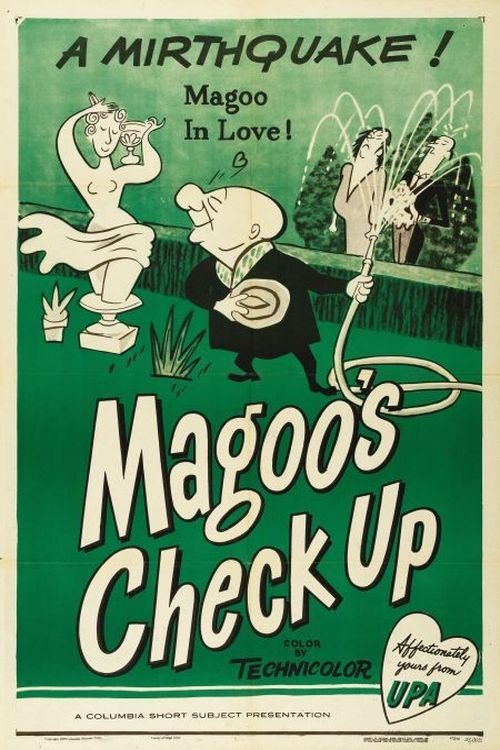
Magoo's Check Up
1955
No user ratings available yet
Representation score: 1.7 out of 10
Representation Score
Limited
1956
ApprovedDirector
Pete Burness
Runtime
7 minutes
Average Rating
No ratings yetNew Showbiz Analysis
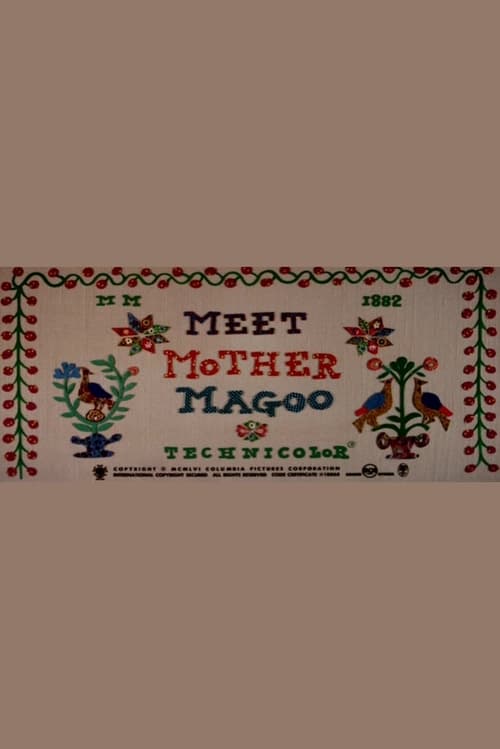
Meet Mother Magoo is a classic mid-century animated short that relies on established social hierarchies and traditional comedic clichés. The narrative centers on a singular, homogeneous domestic unit, offering limited room for diverse perspectives or social subversion. While the film provides some minor deviations from gender norms through Magoo's bumbling nature, these moments serve slapstick purposes rather than meaningful character development. The reliance on visual impairment as a punchline further limits the depth of its representation. Ultimately, the film functions as a standard character study reflecting the era's conventional values without attempting to challenge or expand them.
Category Breakdown
The film follows a strictly heterosexual and cisgender family structure. It does not include any representation of LGBTQ+ identities or same-sex relationships.
Mother Magoo asserts her independence through psychological manipulation. Her domestic incompetence provides comic relief from traditional patriarchal roles.
The cast appears homogeneous, sticking to a conventional Western domestic setting. There is no indication of racial diversity or non-Anglo-Saxon casting.
The story upholds mid-century Western values emphasizing filial piety and family responsibility. It prioritizes a stable, traditional social order.
Magoo's visual impairment drives the plot through slapstick errors. The narrative uses his sensory disability mainly as a comedic device.
Present on Screen
Limited or Absent
Official Synopsis
Mr. Magoo brings in his mail opening up a flyer for a store's "83rd Anniversary Sale". Magoo thinks that the flyer is a letter from his mother about her "83rd birthday" and begins to worry that maybe he hasn't spent enough time with his mother lately. He goes to pay his mother a visit to make up for lost time but upon arriving, Mother Magoo doesn't quite appreciate Magoo's attempts at being helpful such as baking a feather duster thinking it to be a turkey dinner. So she uses psychology to eventually persuade him to go back home (at least until next year).
1955
1957
1954
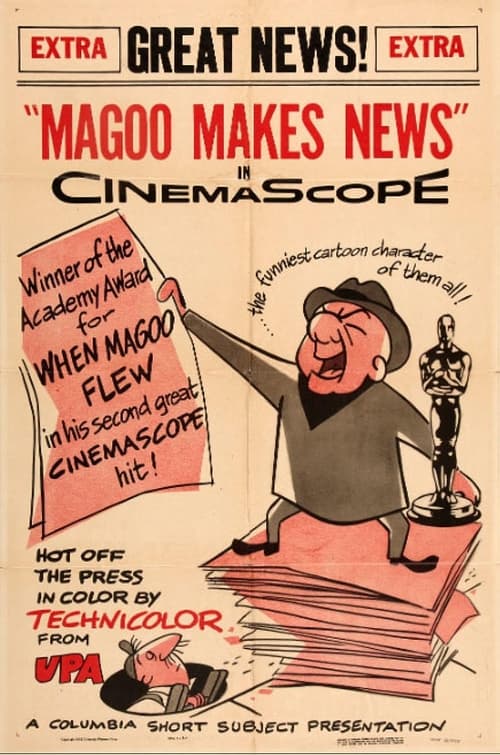
1955
1957
1959
1956
1958
No reviews yet. Be the first to share your thoughts on this movie!
Use the rating form above to leave a star rating and optional review.