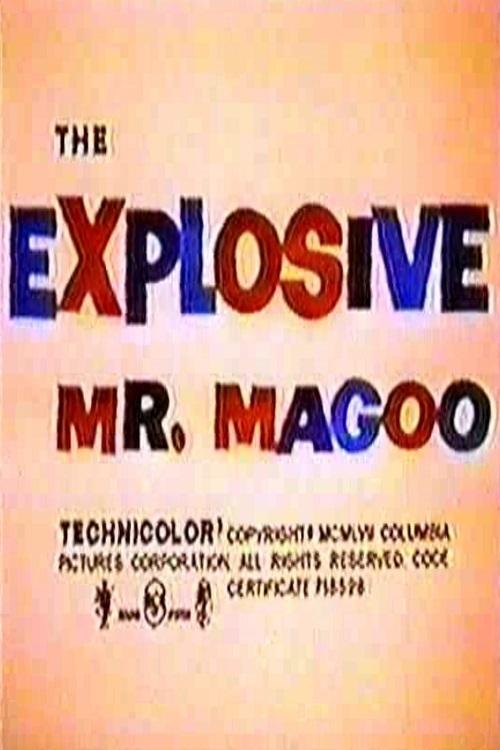
The Explosive Mr. Magoo
1958
No user ratings available yet
Representation score: 1.5 out of 10

Representation Score
Limited
1958
ApprovedDirector
Pete Burness
Runtime
7 minutes
Average Rating
No ratings yetNew Showbiz Analysis
Magoo’s Three-Point Landing is a product of the late 1950s studio system, prioritizing traditional slapstick over social complexity. The film relies on a singular protagonist whose identity is defined by his physical impairment, serving as the primary engine for comedic chaos. While the film provides visibility to a character with a disability, it does so through a lens of caricature. The lack of diverse casting or multi-layered character development reflects the era's standard comedic clichés and homogeneous character modeling. Ultimately, the work offers minimal disruption to conventional social hierarchies. It remains a localized, situational comedy that avoids any meaningful engagement with broader cultural or identity-based narratives.
Category Breakdown
The film does not include any LGBTQ+ characters or narratives. It follows the traditional straight-centered conventions typical of 1958 animation.
The story focuses on Mr. Magoo, leaving no room for female characters who play a significant role in driving the story. It operates within a comedic vacuum that ignores gender hierarchies.
The narrative features a homogeneous cast typical of mid-century American animation. There is no evidence of diverse ethnic representation or non-Anglo-Saxon characters.
This short functions as a standard situational comedy. It avoids engagement with systemic critiques or the deconstruction of social and political structures.
Mr. Magoo’s visual impairment drives the plot and provides visibility. However, the character leans into the bumbling cliché rather than offering a nuanced portrayal.
Present on Screen
Limited or Absent
Official Synopsis
Magoo’s car breaks down on an airport runway.
1958
1957
1955
1959
1957
1952
1955

1951
No reviews yet. Be the first to share your thoughts on this movie!
Use the rating form above to leave a star rating and optional review.