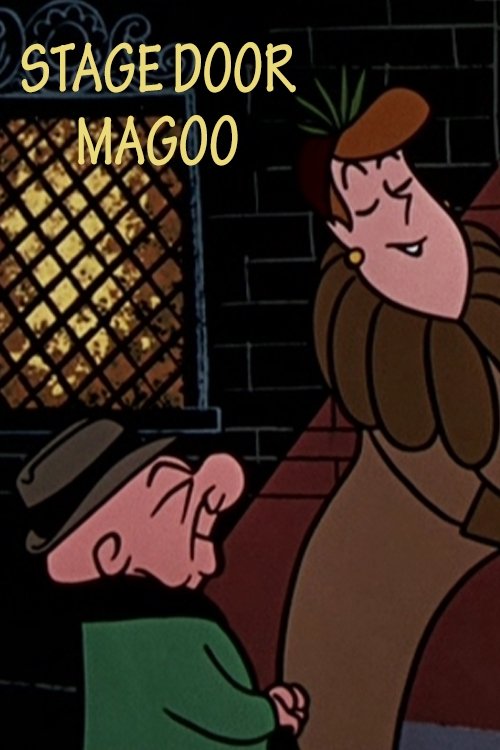
Stage Door Magoo
1955
No user ratings available yet
Diversity score: 2.2 out of 10
1953
ApprovedDirector
Pete Burness
Runtime
7 minutes
Average Rating
No ratings yetSynopsis
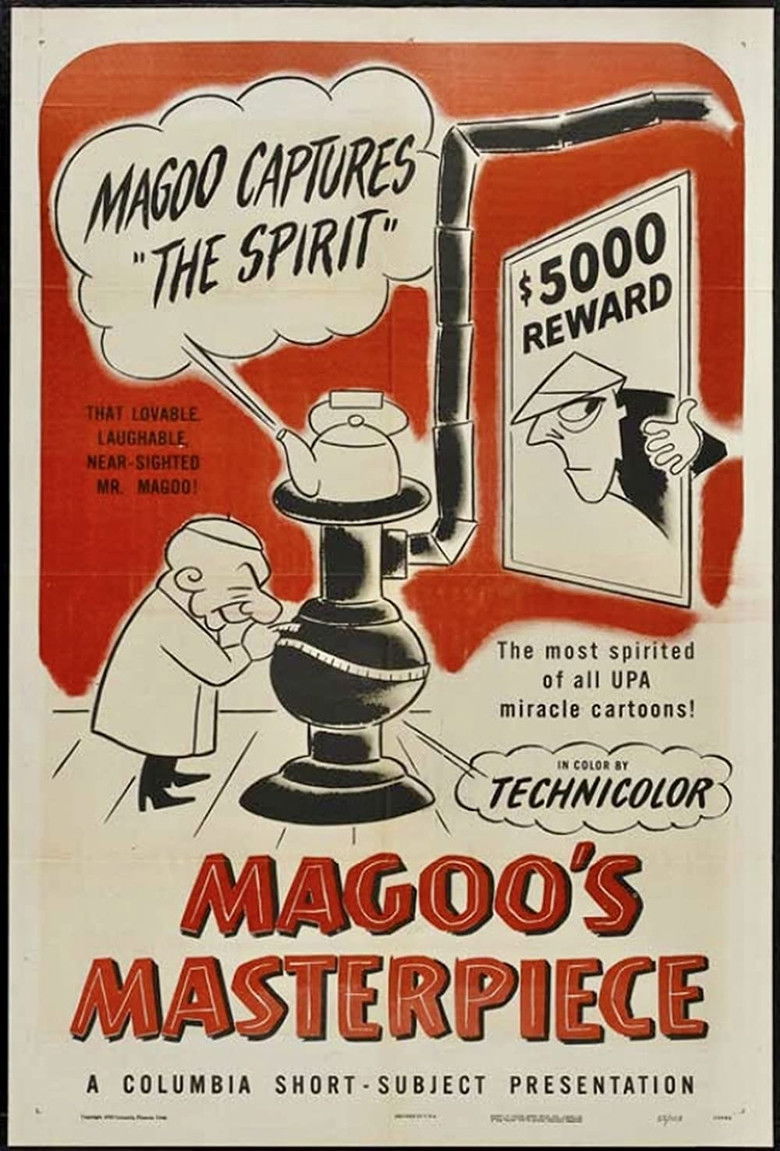
There is a sculpture contest with large prize money for the winner, and Mr. Magoo decides to become a sculptor and do some sculpturing. He borrows a friend's studio and goes to work on his creation. When a police-pursued jewel thief enter the studio, he convinces the near-sighted Magoo that he is a beautiful model, and Magoo, happy to have a beautiful woman as his model, sculpts away. The police finally arrive, and Magoo gets a reward for the thief's capture, and his sculpture wins the first-place prize money in the sculpture contest.
Overall Score
Limited
Category Breakdown
LGBTQ+ Representation
The film lacks any depiction of non-cisnormative identities or same-sex intimacy. The plot relies on a heteronormative misunderstanding that reinforces traditional gender binaries.
Gender Representation
Gender serves as a comedic trope rather than a source of agency. The female figure is merely a perceived ideal, while the actual model is a male thief.
Racial & Ethnic Diversity
The characters and setting follow homogeneous mid-century casting conventions. There is no evidence of a diverse cast or non-Anglo-Saxon characters within the narrative.
Religious & Cultural Diversity
The story reinforces traditional mid-century values regarding law, order, and meritocratic reward. It presents a stable social order without critiquing Western institutions.
Disability Representation
Mr. Magoo’s near-sightedness drives the plot, but it functions primarily as a slapstick comedic device. The portrayal leans toward a bumbling archetype rather than nuanced representation.
Strengths
Areas for Improvement
AI Analysis
Magoo's Masterpiece is a quintessential mid-century animated short that prioritizes slapstick comedy over social complexity. The narrative is built entirely around the protagonist's visual impairment, using his near-sightedness as a tool for situational irony and accidental success. While the film utilizes the era's modernist UPA aesthetic, its thematic content remains deeply conventional. It relies on established tropes, such as gendered misunderstandings and the reinforcement of traditional institutional rewards, rather than challenging existing social hierarchies. Ultimately, the film functions as a closed loop of traditional values. It offers a stable, predictable comedic experience that lacks intersectional depth or diverse character agency.
1955
1955
1957
1957
1957
1956
1956
1958
1957
1956
1958
1952
No reviews yet. Be the first to share your thoughts on this movie!
Use the rating form above to leave a star rating and optional review.