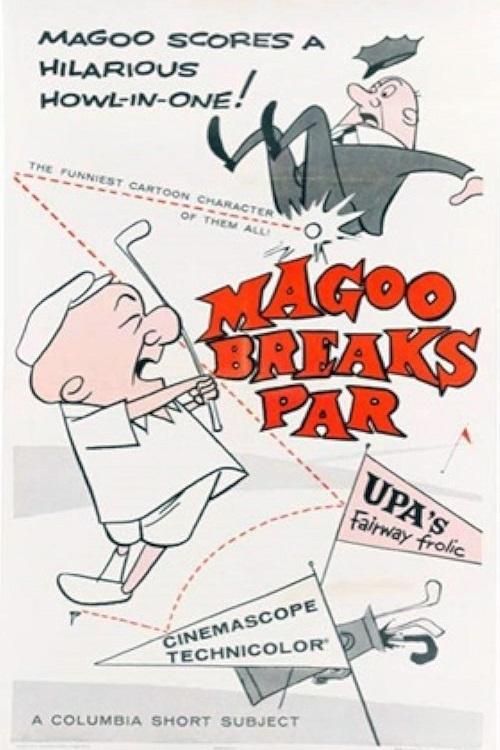
Magoo Breaks Par
1957
No user ratings available yet
Representation score: 1.8 out of 10
Representation Score
Limited
1956
PassedDirector
Pete Burness
Runtime
6 minutes
Average Rating
No ratings yetNew Showbiz Analysis
Trailblazer Magoo is a product of its era, prioritizing slapstick comedy over nuanced representation. The narrative structure reinforces existing social hierarchies rather than challenging them. The film uses underrepresented identities—specifically disability and ethnicity—as comedic catalysts. These elements drive the plot through clichés like the 'clumsy protagonist' and the dismissal of indigenous expertise. Ultimately, the work operates within a traditional framework that lacks depth or systemic critique, reflecting the conventional comedic structures of the 1950s.
Category Breakdown
The film does not include any visible LGBTQ+ characters or non-cisgender identities. It adheres to the standard heterosexual social frameworks typical of 1950s animation.
The story centers on male-driven slapstick between Mr. Magoo and a male guide. It lacks any meaningful portrayal of women's roles or challenges to traditional gender hierarchies.
A Native American guide appears, but the narrative relies on mid-century stereotypes. The protagonist's dismissal of the guide's expertise reinforces a colonialist hierarchy.
The film follows traditional Western comedic structures without exploring secular themes or institutional critiques. It reinforces the social norms of the era through its urban and wilderness settings.
Mr. Magoo's near-sightedness serves primarily as a comedic device for slapstick. The impairment is used for farce rather than exploring lived experiences or character development.
Present on Screen
Limited or Absent
Official Synopsis
The near-sighted one decides to take a hunting-and-fishing trip, and hires a Native American guide. He quickly grows impatient with the guide and takes over leading the way. He winds up in a big city and in a park lake, trail-blazing his way over park benches, statutes and through the zoo, releasing a lion along the way.
1957
1957
1957
1956
1955
1958
1956
1956
No reviews yet. Be the first to share your thoughts on this movie!
Use the rating form above to leave a star rating and optional review.