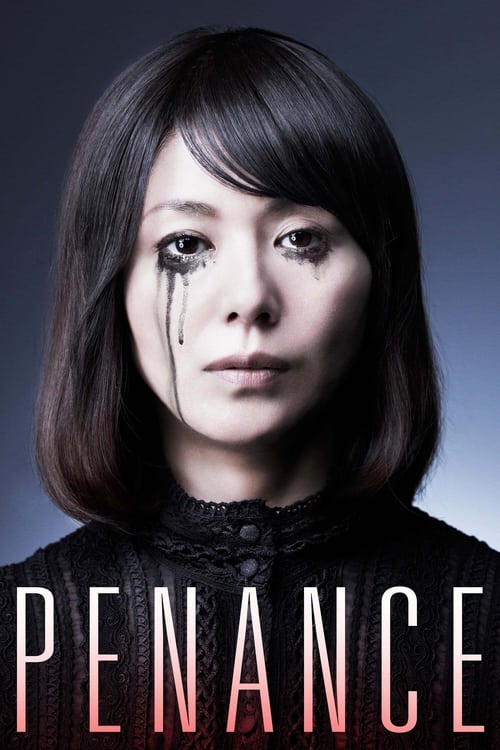
Penance
2013
No user ratings available yet
Representation score: 7.3 out of 10

Representation Score
Good
2001
Director
Shinji Aoyama
Runtime
218 minutes
Average Rating
No ratings yetNew Showbiz Analysis
Shinji Aoyama’s *Eureka* is a sophisticated deconstruction of social reintegration. It prioritizes the subjective, non-linear experiences of traumatized individuals over traditional dramatic arcs or the cohesive demands of a societal narrative. The film achieves progressive value by challenging Western-centric social norms. It avoids the trap of 'inspiration porn' regarding mental health, instead focusing on the lived experience of survivors navigating damaged psyches. While the film lacks overt demographic diversity, its strength lies in its empathetic, non-judgmental approach to neurodivergence and its critique of the indifferent social contracts that prioritize productivity over human suffering.
Category Breakdown
The film does not focus on queer relationships or non-traditional gender identities. Instead, it delves into intimate personal connections while operating within a framework that doesn't explicitly challenge the assumption that everyone is straight or cisgender.
Aoyama breaks away from traditional gender roles by avoiding stereotypes of masculine strength or feminine domesticity. Both men and women are shown through a lens of profound vulnerability and emotional paralysis.
The cast remains uniform within its specific Japanese socio-cultural context. The film centers on a localized critique of national identity and social cohesion during Japan's lost decades.
The narrative excels in critiquing modern institutional indifference and capitalist structures. It rejects a unified social morality, framing the characters' alienation as a valid response to a fractured reality.
The film offers a nuanced portrayal of invisible disabilities, particularly the psychological impact of PTSD. It treats mental health struggles as central rather than a mere plot device.
Present on Screen
Limited or Absent
Official Synopsis
In rural Japan, the survivors of a tragedy converge and attempt to overcome their damaged selves, all while a serial killer is on the loose.
2013
2005

2019

1999
2019
2007
2022

2001
No reviews yet. Be the first to share your thoughts on this movie!
Use the rating form above to leave a star rating and optional review.