
Into the White Night
2011
No user ratings available yet
Representation score: 7.7 out of 10
Representation Score
Fair
1997
Director
Shinji Aoyama
Runtime
109 minutes
Average Rating
No ratings yetNew Showbiz Analysis
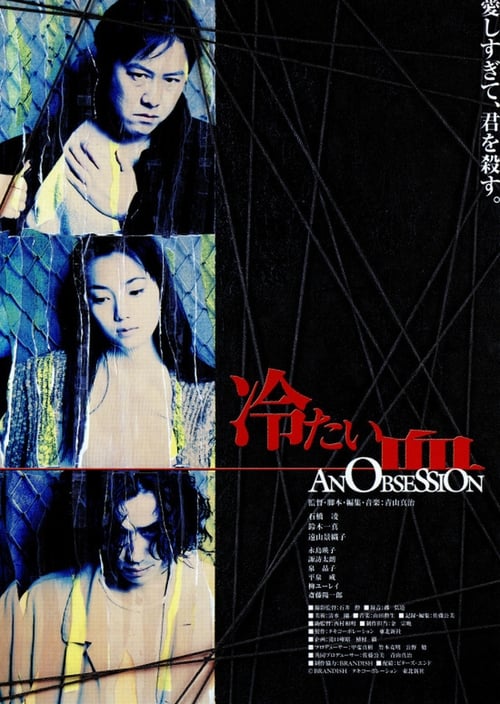
An Obsession is a gritty crime drama that prioritizes existential themes over demographic diversity. It excels in deconstructing social and institutional structures, offering a sophisticated critique of the state and the nuclear family. However, the film remains limited in its representation of underrepresented groups. The narrative is centered on a singular male experience, often relegating other identities to the periphery or using them as plot devices. Ultimately, the work finds its progressive value in its refusal to offer a redemptive arc, instead presenting a relativistic view of a corrupt and indifferent reality.
Category Breakdown
The film examines urban alienation and a crisis of masculinity without explicitly addressing LGBTQ+ identities. While it questions the stability of heterosexual relationships through the protagonist's social isolation, it doesn't include clear representations of LGBTQ+ characters.
The story heavily emphasizes the breakdown of traditional masculine roles. Women frequently serve as catalysts for the protagonist's crisis rather than being portrayed as independent agents within the narrative.
Set in a specific Japanese context, the film features a relatively uniform cast. It focuses more on class-based alienation and urban psychological states than on diverse racial experiences.
The film presents a cynical view of institutional stability and professional duties, favoring moral relativism and existential nihilism over traditional religious or singular moral frameworks.
Physical injuries and psychological fragility act as metaphors for alienation. The protagonist's trauma explores mental instability, but it avoids detailed depictions of disability as a lived experience.
Present on Screen
Limited or Absent
Official Synopsis
Police detective Sosuke is shot down while chasing a suspect. While unconscious, his gun is stolen. He recovers, but loses his wife and resigns from the force. All of a sudden, his missing firearm is used in a series of crimes.
2011

2016
2005
2007
1999
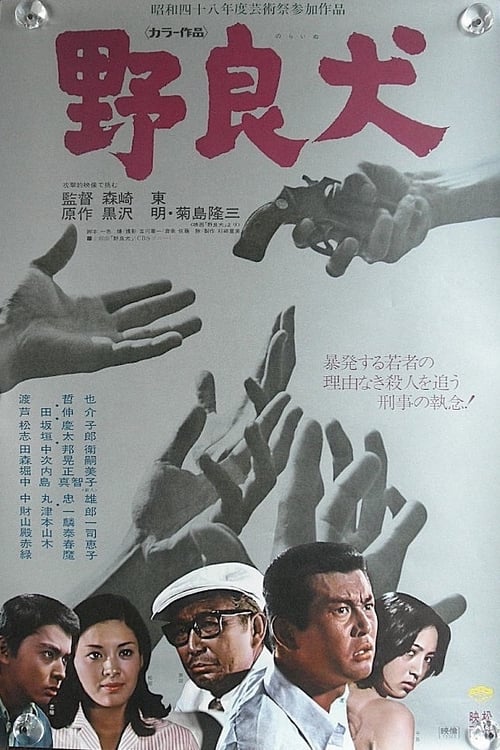
1973

1997

1996
No reviews yet. Be the first to share your thoughts on this movie!
Use the rating form above to leave a star rating and optional review.