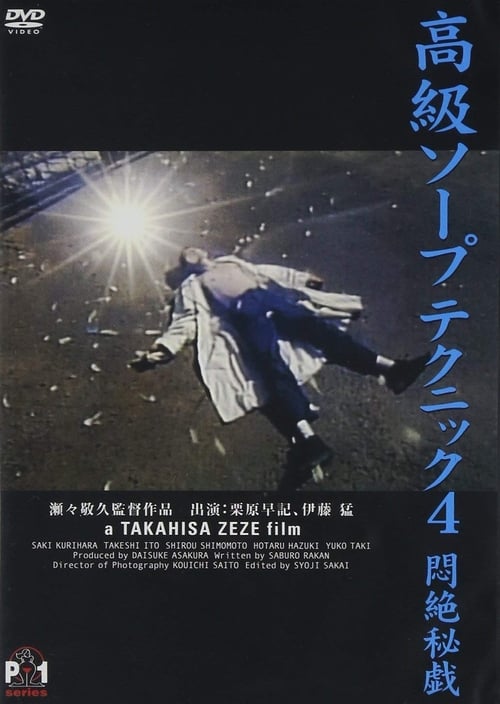
The Dream of Garuda
1994
No user ratings available yet
Representation score: 4.7 out of 10

Representation Score
Good
2010
Director
Takahisa Zeze
Runtime
278 minutes
Average Rating
No ratings yetNew Showbiz Analysis
Heaven's Story deconstructs social cohesion, favoring psychological depth over demographic diversity. It excels in its critique of institutional authority and traditional morality, offering a postmodern perspective on justice. While the film lacks prominent representation for LGBTQ+ and multi-racial identities, it provides a culturally specific view of systemic decay. The narrative's strength lies in challenging the perceived infallibility of the state through fragmented storytelling.
Category Breakdown
The film does not explicitly include LGBTQ+ identities or explore non-binary gender roles. Instead, it focuses on existential suffering and personal trauma rather than specific identity-based issues.
The story challenges traditional gender hierarchies by emphasizing the emotional weight of female characters, particularly Sato. However, it does not fully overturn typical masculine and feminine stereotypes.
As a Japanese production, the film features a predominantly homogeneous cast. It avoids Western-centric themes by focusing on a culturally specific exploration of social isolation.
The narrative critiques institutional stability and state authority by examining vigilante justice and the cyclical nature of violence.
The film emphasizes psychological trauma and alienation rather than explicit physical or neurodivergent conditions. Characters may be used primarily as symbols of suffering rather than having full ability to act.
Present on Screen
Limited or Absent
Official Synopsis
A young girl named Sato watches on television as a man named Tomoki states brazenly at a press conference that he hopes convicted murderer Mitsuo is eventually placed back into society so that he can kill him with his bare hands.
1994

2001

1997

1989

2018
2012
2019
2007
No reviews yet. Be the first to share your thoughts on this movie!
Use the rating form above to leave a star rating and optional review.