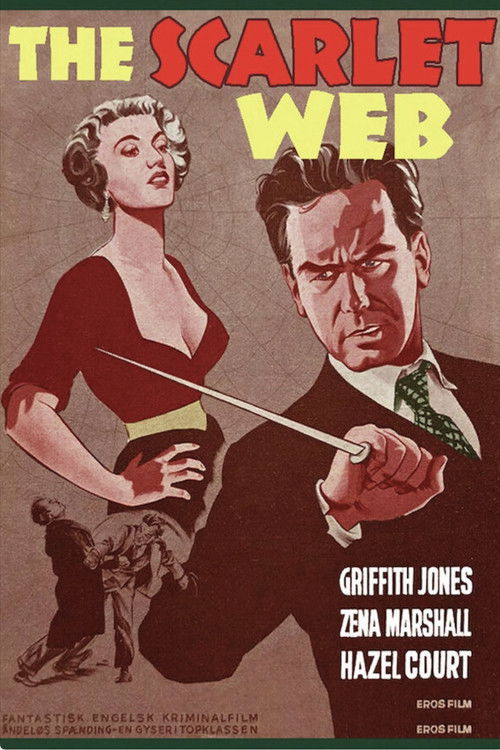
Scarlet Web
1954
No user ratings available yet
Diversity score: 1.8 out of 10
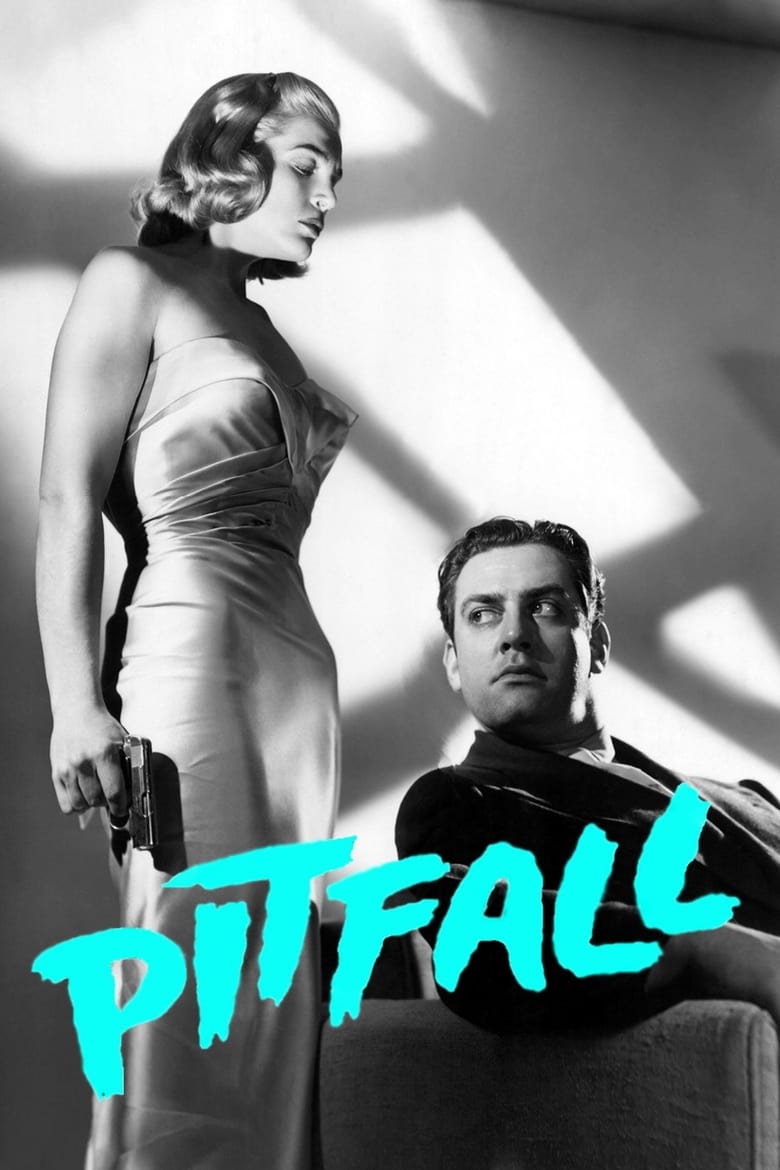
1948
ApprovedDirector
André de Toth
Runtime
86 minutes
Average Rating
No ratings yetSynopsis
An insurance man wishing for a more exciting life becomes wrapped up in the affairs of an imprisoned embezzler, his model girlfriend, and a violent private investigator.
Overall Score
Limited
Category Breakdown
LGBTQ+ Representation
The film contains no visible LGBTQ+ characters or narratives. Romantic and sexual tensions are strictly confined to traditional cisnormative frameworks.
Gender Representation
Female characters often inhabit the femme fatale archetype, framing their agency as predatory or manipulative. Power dynamics remain centered on male protagonists navigating these feminine interventions.
Racial & Ethnic Diversity
The cast is predominantly homogeneous, reflecting the era's cinematic standards. The narrative focuses on a white-centric social structure with little engagement with racial diversity.
Religious & Cultural Diversity
The film offers a cynical deconstruction of institutional reliability and legal frameworks. This moral relativism serves as genre-standard nihilism rather than a systemic critique of religion or capitalism.
Disability Representation
There is no discernible representation of physical, sensory, or neurodivergent disabilities within the character arcs.
Strengths
Areas for Improvement
AI Analysis
Pitfall is a quintessential mid-century noir that prioritizes established genre tropes over the subversion of social hierarchies. While it provides a sophisticated look at the fallibility of legal and institutional structures, it does so through a lens of individualistic struggle rather than systemic critique. The film remains a product of its 1948 era, characterized by a lack of intersectional depth. The narrative architecture relies on traditional archetypes that reinforce existing social and demographic constraints rather than disrupting them.
1954
1947
1947
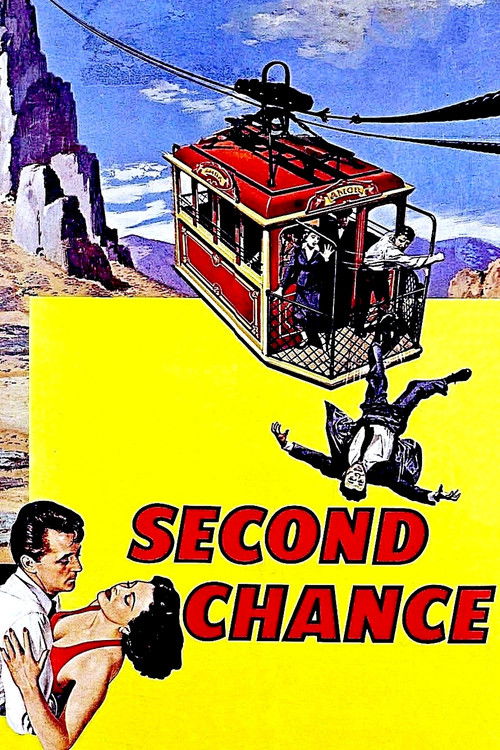
1953
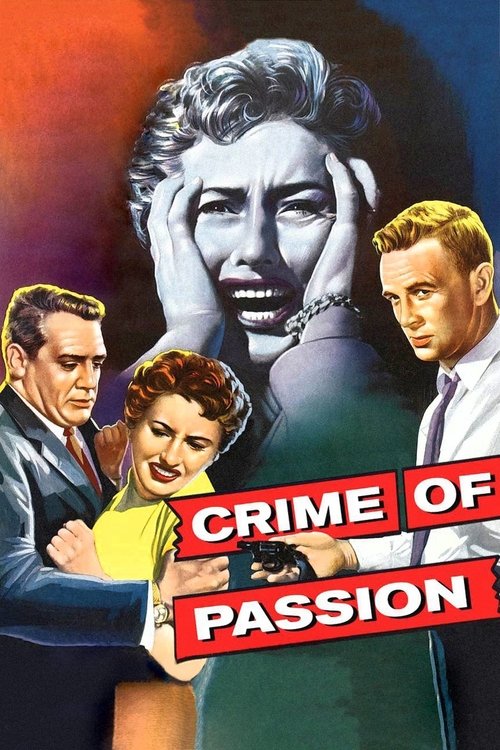
1956
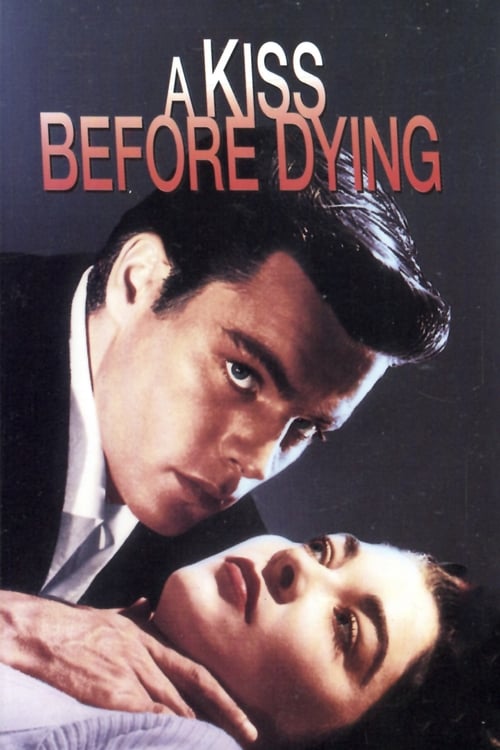
1956
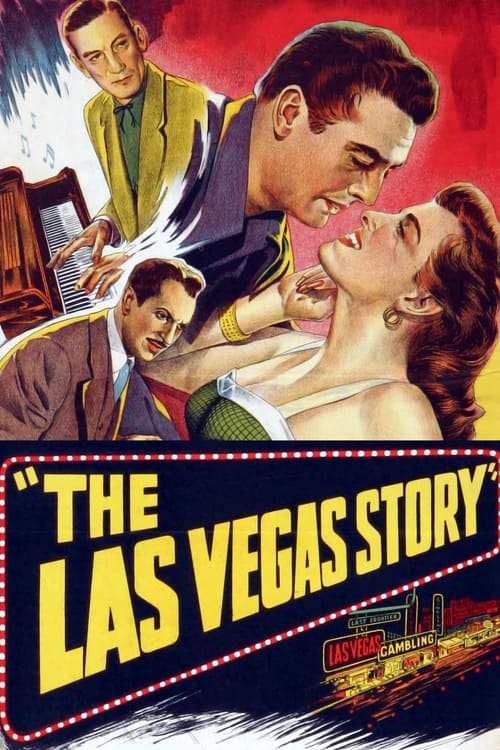
1952

1955
1949

1962
1948

1946
No reviews yet. Be the first to share your thoughts on this movie!
Use the rating form above to leave a star rating and optional review.