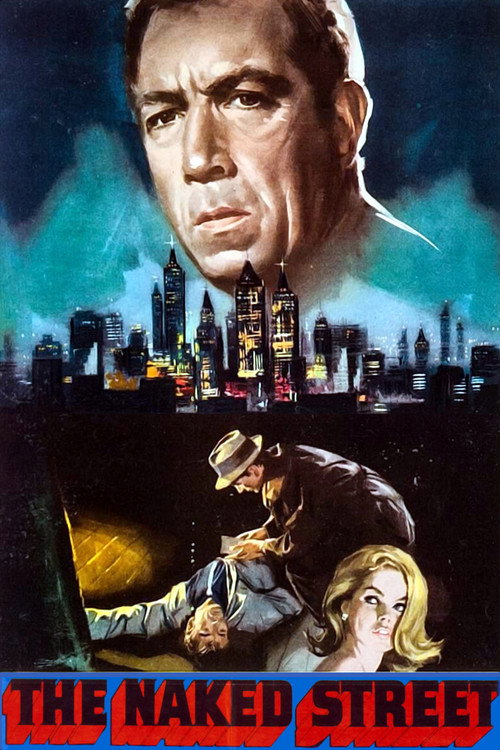
The Naked Street
1955
No user ratings available yet
Diversity score: 2.1 out of 10

1953
ApprovedDirector
Rudolph Maté
Runtime
82 minutes
Average Rating
No ratings yetSynopsis
A prize-fighting boxer with a lethal right punch falls for a gangster's moll on the run in Mexico.
Overall Score
Minimal
Category Breakdown
LGBTQ+ Representation
The film adheres to strict 1950s heteronormative structures. No non-cisnormative identities or same-sex intimacy are present in the narrative.
Gender Representation
Narrative focus centers on male agency and physical prowess. The female lead is defined primarily by her relationship to male-dominated criminal structures.
Racial & Ethnic Diversity
The cast appears predominantly homogeneous. Despite a Mexican setting, there is no evidence of significant racial blending or diverse casting.
Religious & Cultural Diversity
The story explores individual redemption through a lens of traditional morality. It lacks systemic critique or messaging that disrupts the social order.
Disability Representation
No physical, sensory, or neurodivergent disabilities are represented. The plot focuses on the physical capabilities of the boxer.
Strengths
Areas for Improvement
AI Analysis
Second Chance functions as a conventional mid-century crime thriller that reinforces the social hierarchies of its era. The film prioritizes individualistic moral arcs and traditional masculinity over any attempt to subvert established norms. The narrative relies on standard Western-centric casting and gender tropes. While the setting shifts to Mexico, the film remains rooted in the homogeneous cinematic language of the 1950s. Ultimately, the work lacks intentionality regarding intersectional representation. It serves as a period-typical drama that upholds the status quo rather than challenging it.
1955

1958
1957
1953
No reviews yet. Be the first to share your thoughts on this movie!
Use the rating form above to leave a star rating and optional review.