The Las Vegas Story
1952
No user ratings available yet
Diversity score: 1.8 out of 10
1956
ApprovedDirector
Gerd Oswald
Runtime
86 minutes
Average Rating
No ratings yetSynopsis
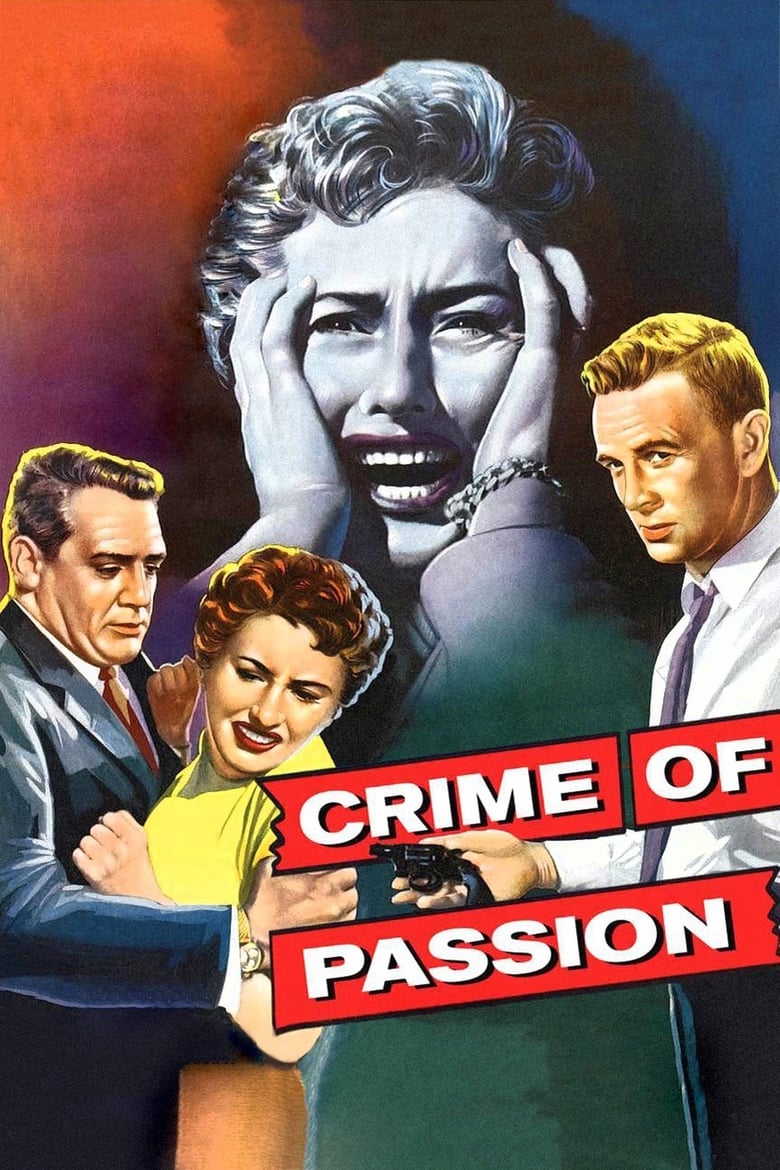
Kathy leaves the newspaper business to marry homicide detective Bill, but is frustrated by his lack of ambition and the banality of life in the suburbs. Her drive to advance Bill's career soon takes her down a dangerous path.
Overall Score
Limited
Category Breakdown
LGBTQ+ Representation
The film operates within a strictly heteronormative framework. There are no non-cisnormative gender identities or narratives that challenge the social order regarding sexuality.
Gender Representation
Kathy demonstrates agency by attempting to manipulate her husband’s career. However, her ambition is framed as a disruptive force against suburban stability, reinforcing traditional views of domesticity.
Racial & Ethnic Diversity
The production features a primarily white, Anglo-Saxon cast. There is no evidence of racial blending or non-white characters with agency within the setting.
Religious & Cultural Diversity
The narrative centers on mid-century Western social norms and the preservation of legal order. Family and marriage serve as the primary social anchors.
Disability Representation
There are no prominent depictions of physical, sensory, or neurodivergent disabilities. Characters are presented within a standard able-bodied framework.
Strengths
Areas for Improvement
AI Analysis
Crime of Passion is a conventional mid-century melodrama that prioritizes genre-driven tension over the exploration of intersectional identities. While it offers a complex study of female psychological drive, it does so through archetypes that reinforce existing social hierarchies. The film's demographic composition is highly homogeneous, reflecting the era's standard social structures. It lacks representation for LGBTQ+ individuals and people with disabilities, focusing instead on a traditional able-bodied, heteronormative cast. Ultimately, the narrative functions to explore individual morality and the consequences of personal transgression within a rigid legal and social framework, rather than challenging systemic power dynamics.
1952
1952
1946

1955

1956
No reviews yet. Be the first to share your thoughts on this movie!
Use the rating form above to leave a star rating and optional review.