The Spirit of Youth
1929
No user ratings available yet
Representation score: 0.4 out of 10
Representation Score
Minimal
1929
NRDirector
Malcolm St. Clair
Runtime
71 minutes
Average Rating
No ratings yetNew Showbiz Analysis
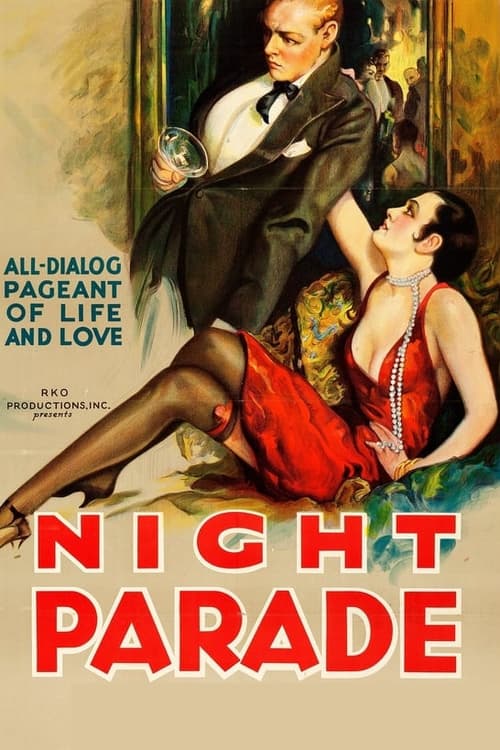
Night Parade is a product of the late silent era, adhering strictly to the traditional genre clichés of its time. The narrative structure emphasizes individual morality over broader social critiques, focusing on a boxing champion's struggle against deception. The film's representation is defined by the era's standard demographic norms. It uses established gender archetypes that frame female influence as a disruptive force against male integrity, offering little in the way of complexity. Ultimately, the work functions as a conventional drama reflecting the social norms of 1929 Hollywood rather than attempting to deconstruct or expand upon them.
Category Breakdown
The film does not include any queer narratives or non-straight identities. The story centers around a traditional romantic conflict between a man and a woman.
The narrative relies on outdated gender stereotypes, portraying the man as a virtuous hero and the woman as a deceptive femme fatale. This reinforces the idea that female influence is often seen as disruptive to male integrity.
The film follows the homogeneous casting practices typical of 1920s Hollywood, with no indication of diverse ethnic representation.
The story operates as a traditional Western morality tale focused on personal virtue. It lacks themes that challenge Western or secular social frameworks.
There is no mention of characters with physical, sensory, or neurodivergent disabilities in this production.
Present on Screen
Limited or Absent
Official Synopsis
Bobby Martin, a young middleweight champion boxer, is an honest and decent fighter. However, a dishonest but beautiful woman uses every trick to ensnare him.
1929
1947

1932
1930
1932
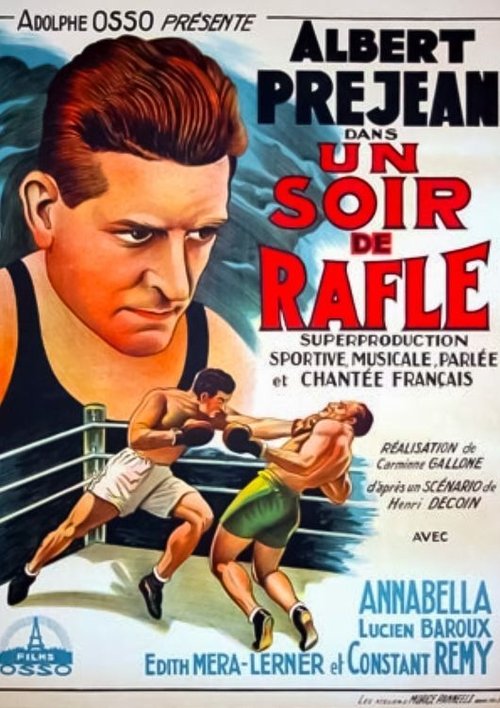
1931
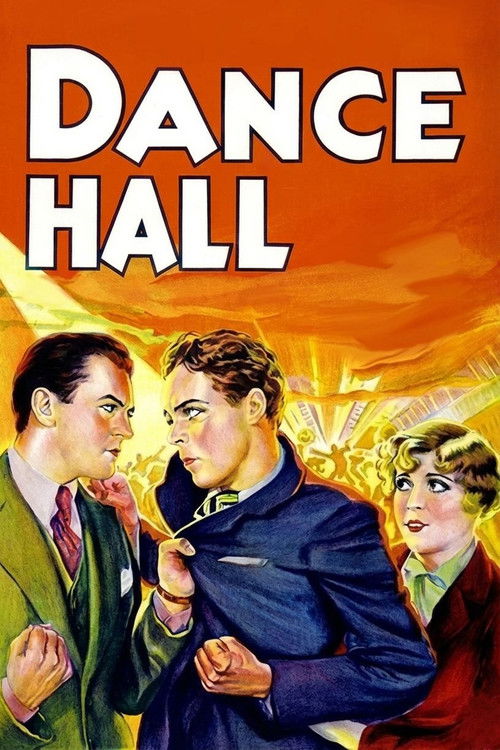
1929
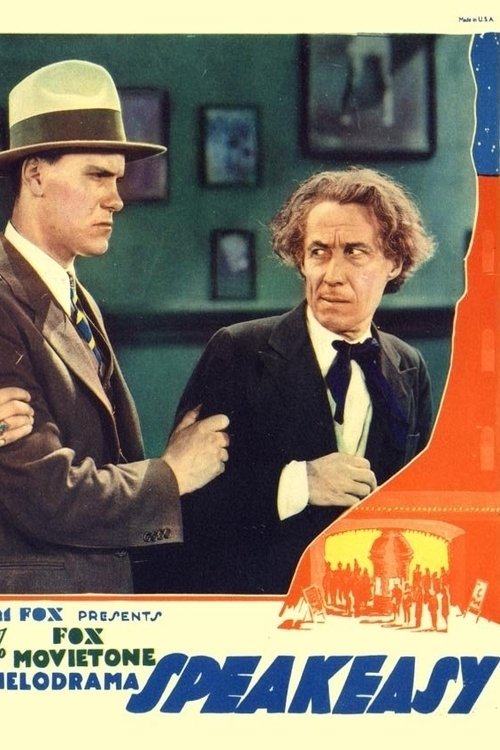
1929
No reviews yet. Be the first to share your thoughts on this movie!
Use the rating form above to leave a star rating and optional review.