
Hometown Girl
1948
No user ratings available yet
No diversity score available
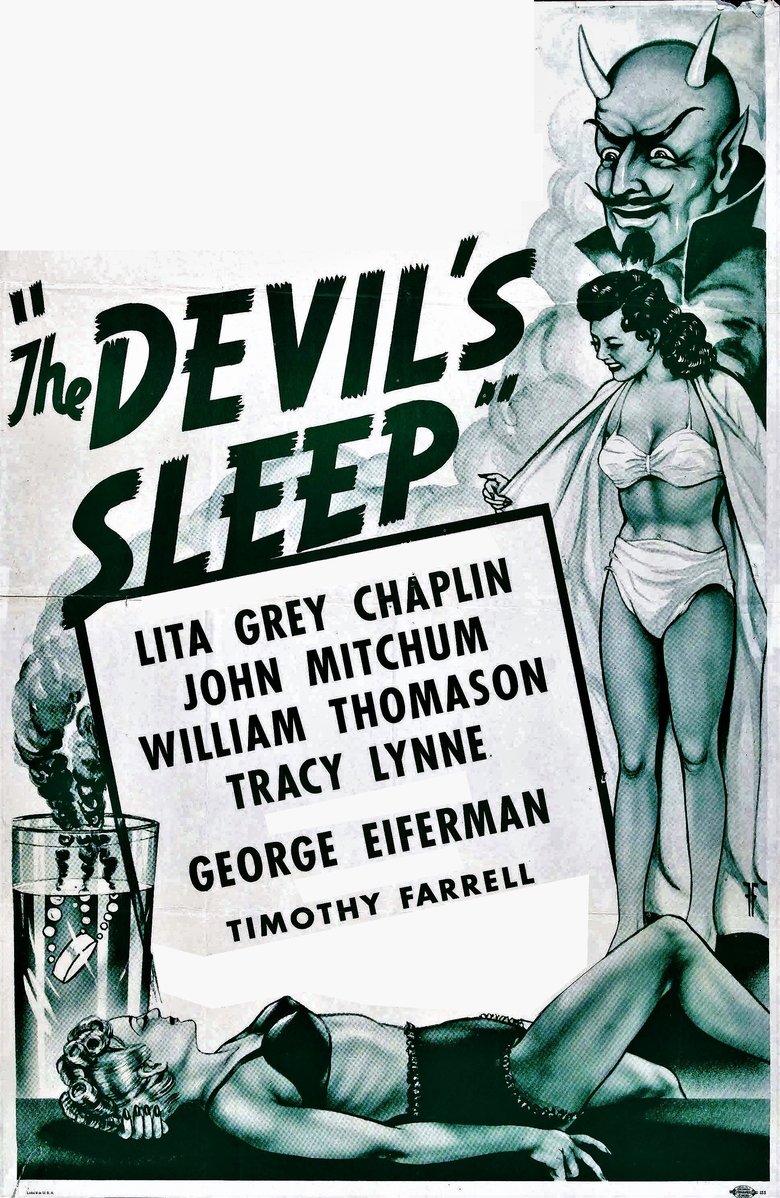
1949
Director
W. Merle Connell
Runtime
79 minutes
Average Rating
No ratings yetSynopsis
Innocent youth trapped in a hopped-up hell.
Overall Score
Limited
Category Breakdown
LGBTQ+ Representation
The film focuses on narcotics and juvenile delinquency rather than sexual orientation. It lacks non-heteronormative identities or critiques of heteronormativity.
Gender Representation
Judge Rosalind Ballentine provides a rare instance of female institutional authority. However, the narrative also relies on tropes of female victimization and predatory exploitation of women's body image.
Racial & Ethnic Diversity
The cast appears homogeneous, reflecting the era's norms. There is no indication of racial blending or the subversion of Anglo-Saxon social structures.
Religious & Cultural Diversity
The film subverts Western institutions by portraying the legal system and family units as corrupt. It critiques consumerist wellness through the lens of predatory health spas.
Disability Representation
Drug side effects serve as plot devices rather than nuanced character studies. The film focuses on social consequences of substance use rather than medical agency.
Strengths
Areas for Improvement
AI Analysis
The Devil's Sleep is a gritty exploitation drama that prioritizes social cynicism over demographic variety. It lacks meaningful representation of LGBTQ+ identities, racial diversity, or disability, adhering to the narrow social frameworks of 1949. However, the film finds strength in its anti-establishment themes. By depicting the legal system and the wellness industry as sites of corruption, it challenges the era's standard portrayals of institutional integrity. Ultimately, the film's value lies in its deconstruction of social stability. It uses the breakdown of traditional order to critique systemic dysfunction rather than individual moral failings.
1948
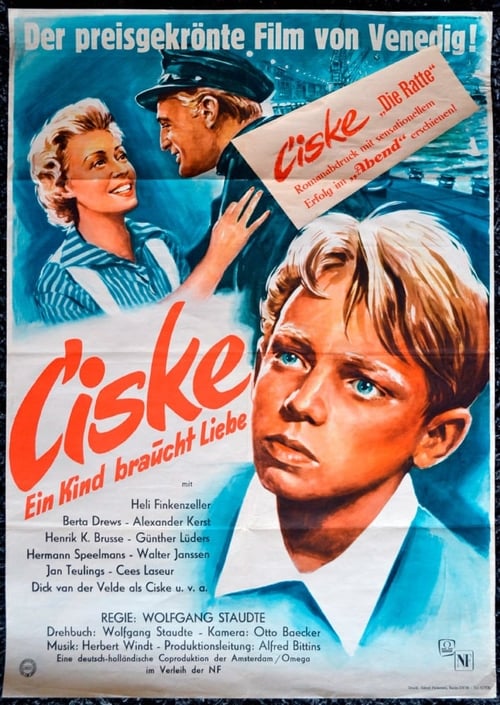
1955

2015
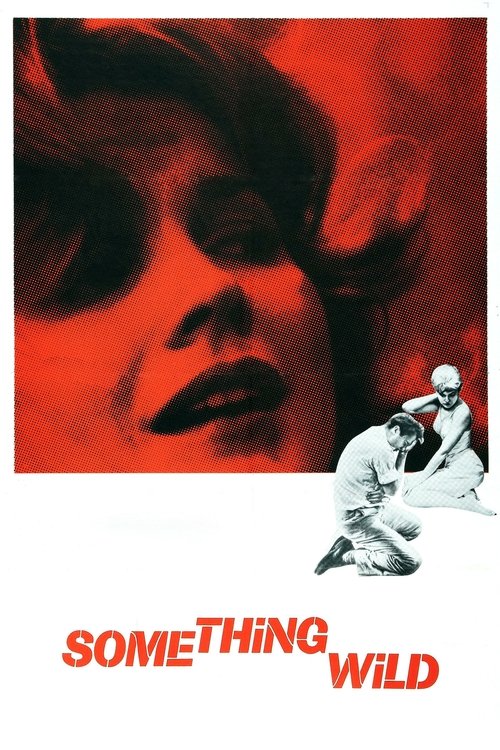
1961
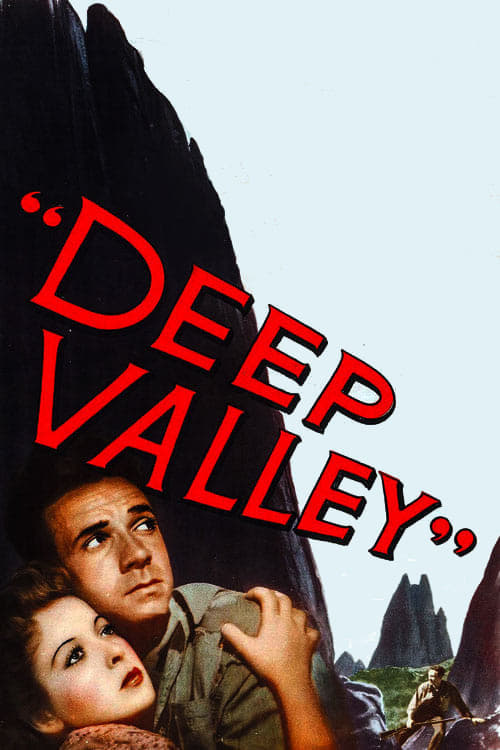
1947
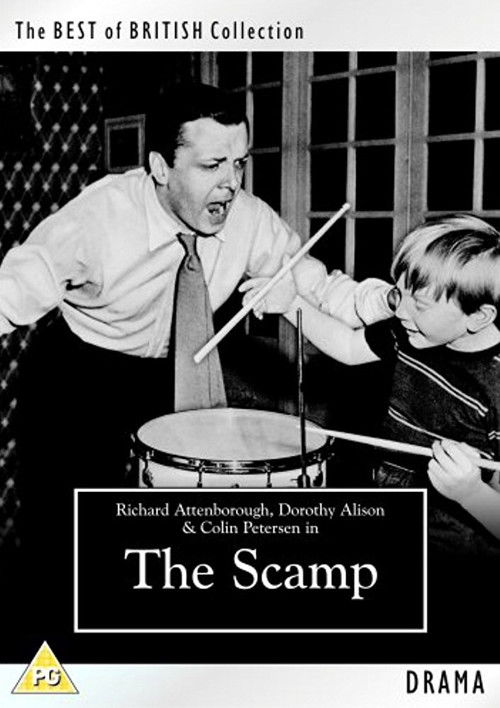
1957
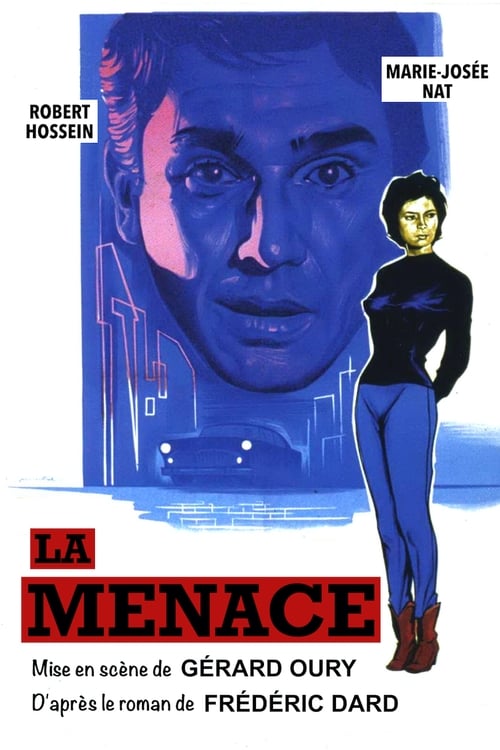
1961
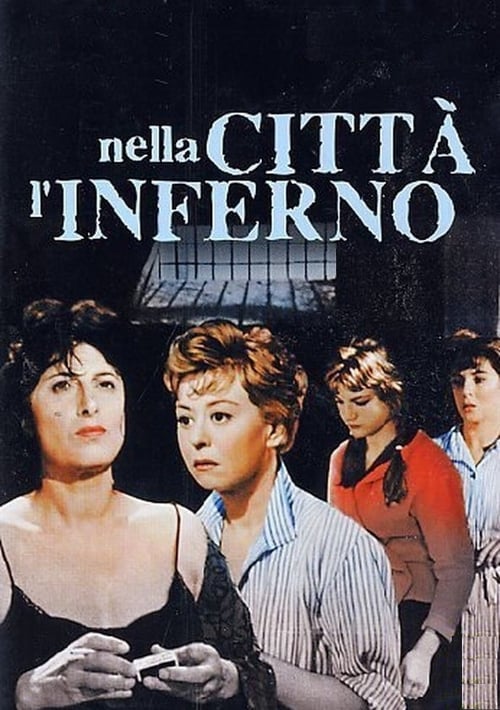
1959
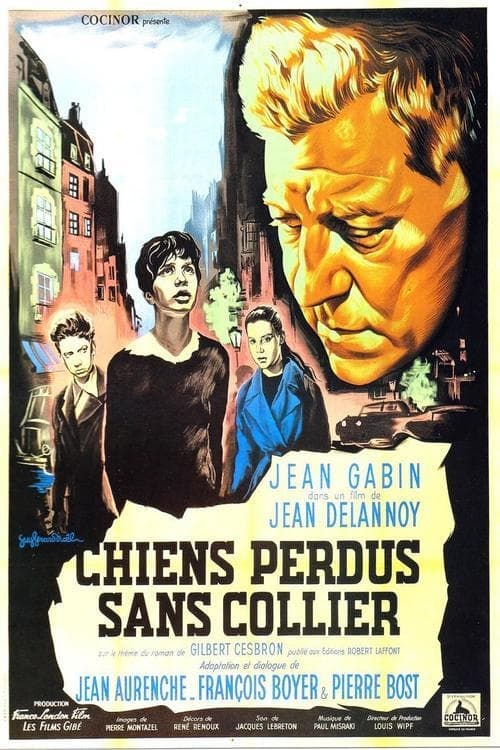
1955

1974
1957
1969
No reviews yet. Be the first to share your thoughts on this movie!
Use the rating form above to leave a star rating and optional review.