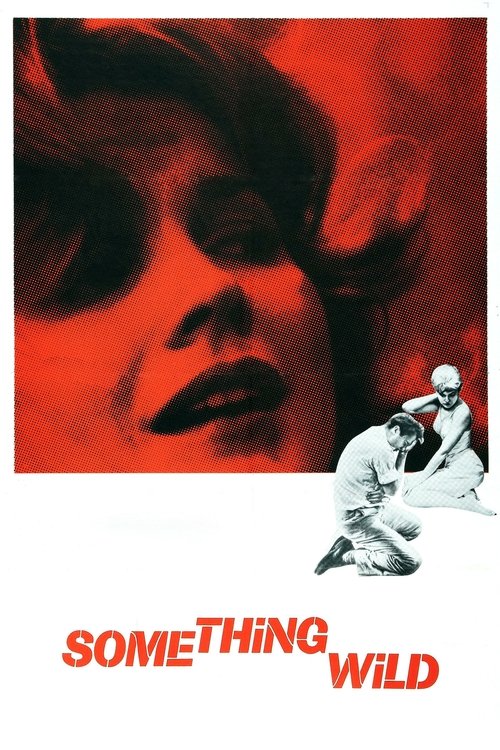
Something Wild
1961
No user ratings available yet
Diversity score: 4.9 out of 10
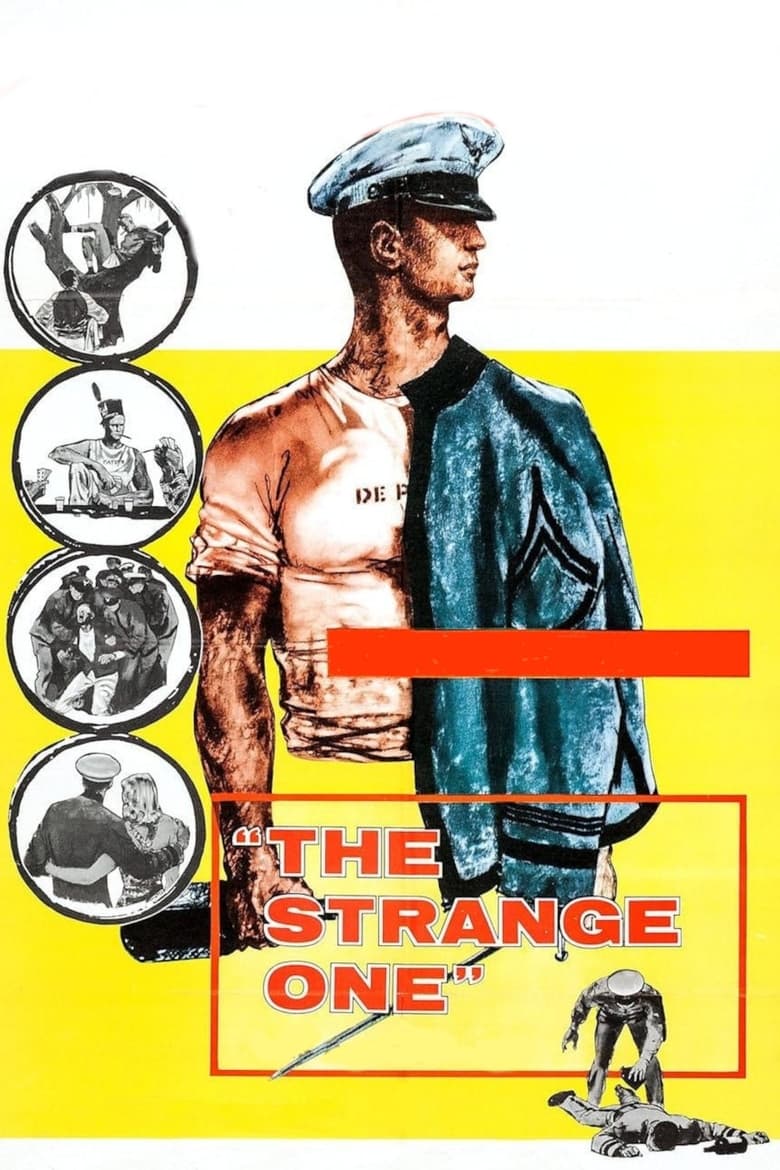
1957
NRDirector
Jack Garfein
Runtime
100 minutes
Average Rating
No ratings yetSynopsis
A military school student develops a destructive power over his fellow cadets.
Overall Score
Fair
Category Breakdown
LGBTQ+ Representation
The film explores repressed sexual tensions and non-conformity through subtext and ambiguous intimacy. It uses existential alienation to challenge the heteronormative expectations of 1957.
Gender Representation
Interpersonal dynamics between male and female characters emphasize frailty and complexity. The narrative subverts traditional hierarchies by focusing on psychological fragmentation rather than mid-century archetypes.
Racial & Ethnic Diversity
The cast is predominantly homogeneous, reflecting the socioeconomic context of a 1950s New York collegiate setting. The film does not actively seek to diversify its demographic landscape.
Religious & Cultural Diversity
The story prioritizes individual psychological truth over established religious or social institutions. It frames anti-social behavior as an existential rebellion against the perceived stability of Western social structures.
Disability Representation
There is no significant representation of neurodivergent or physical disabilities. The narrative focus remains strictly on the psychological tensions within the collegiate peer group.
Strengths
Areas for Improvement
AI Analysis
Jack Garfein’s drama succeeds as a piece of psychological realism that critiques the rigidity of mid-century social institutions. By prioritizing internal character landscapes over external plot, the film deconstructs traditional behavioral norms and social hierarchies. While the film lacks demographic variety, it finds progressive strength in its thematic depth. It uses subtext to explore identity and moral relativism, offering a sophisticated critique of the era's social decorum. Ultimately, the work functions as an existential study. It trades broad demographic inclusion for a deep, unsettling exploration of non-conformity and the breakdown of traditional social cohesion.
1961
1957

2016
1977

1975
1966
1975
1969

1979
1967
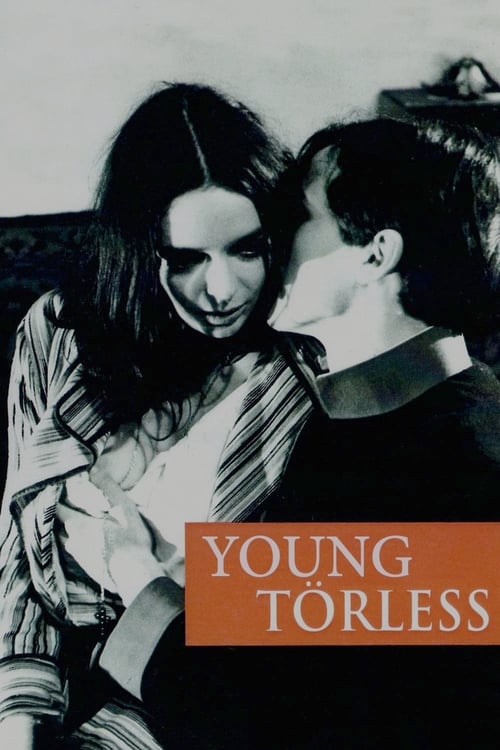
1966
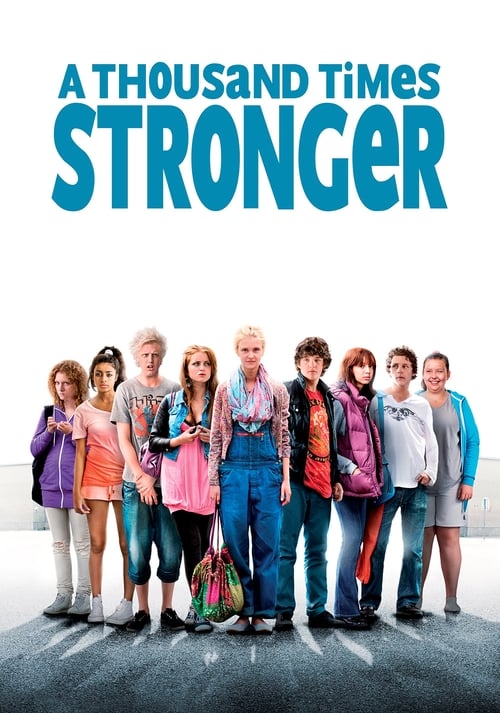
2010
No reviews yet. Be the first to share your thoughts on this movie!
Use the rating form above to leave a star rating and optional review.