
Aloïse
1975
No user ratings available yet
Representation score: 7.6 out of 10
Representation Score
Good
2013
Not RatedDirector
Bruno Dumont
Runtime
95 minutes
Average Rating
No ratings yetNew Showbiz Analysis
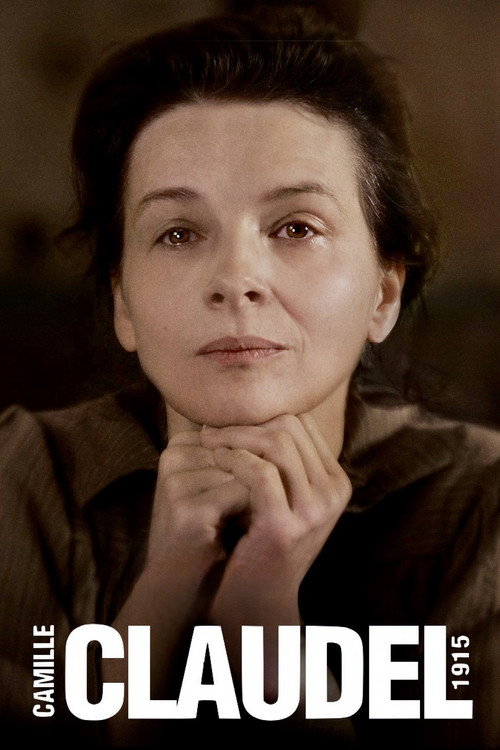
Camille Claudel 1915 is a rigorous study of institutional oppression and gendered erasure. While it lacks modern demographic breadth regarding race and LGBTQ+ identity, it excels in deconstructing patriarchal and medical authority. The film's strength lies in its ability to challenge conventional social hierarchies through its protagonist's struggle. It moves beyond simple biography to offer a critique of how society stifles female genius. Ultimately, the work trades broad demographic representation for deep, thematic explorations of systemic cruelty within a specific historical context.
Category Breakdown
The film focuses on the intense, tumultuous heterosexual relationship between Camille Claudel and Auguste Rodin. It does not include characters with non-traditional gender identities or queer romantic arcs, staying within a traditional framework.
The narrative provides a sophisticated critique of gender hierarchies by centering a woman's struggle for professional autonomy. It challenges the 'muse' stereotype and highlights the systemic erasure of female intellect in a male-dominated art world.
Set in early 20th-century France, the film features a homogeneous cast reflecting the historical social constraints and socioeconomic realities of the time.
The film critiques Western institutions by portraying the asylum as a dehumanizing, oppressive force. It explores moral relativism by blurring the lines between artistic madness and clinical insanity.
The film offers a nuanced portrayal of mental health through Claudel’s confinement. It avoids caricature, instead focusing on the systemic cruelty of institutionalization and treating her psychological state with complexity.
Present on Screen
Limited or Absent
Official Synopsis
Winter, 1915. Confined by her family to an asylum in the South of France - where she will never sculpt again - the chronicle of Camille Claudel's reclusive life, as she waits for a visit from her brother, Paul Claudel.
1975
1988
2012
1991
2016

2016
2014
1982
No reviews yet. Be the first to share your thoughts on this movie!
Use the rating form above to leave a star rating and optional review.