
Dante
2022
No user ratings available yet
Representation score: 3.5 out of 10
Representation Score
Fair
2014
Director
Mario Martone
Runtime
137 minutes
Average Rating
No ratings yetNew Showbiz Analysis
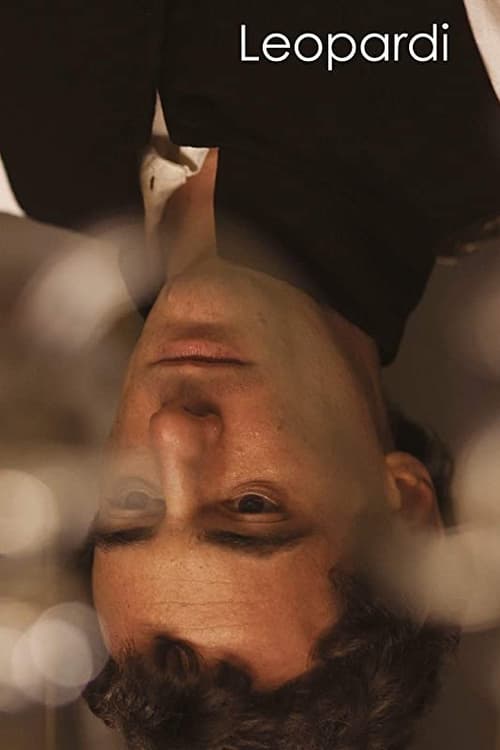
Mario Martone’s biographical study treats the protagonist's physical limitations as a core component of his intellectual identity. By avoiding superficial clichés, the film uses Leopardi's illness to explore deep philosophical questions of his time. However, the film is limited by its strict adherence to 19th-century norms. The lack of racial, gender, or LGBTQ+ diversity reflects the specific historical context, leading to a narrow demographic scope. Ultimately, the film's strength lies in its cultural critique and sophisticated handling of disability, which compensates for its lack of modern social representation.
Category Breakdown
The film focuses on the historical biography of Leopardi and does not depict any non-straight or non-cisgender identities or same-sex relationships. Instead, it centers on the protagonist's solitary intellectual journey.
Set in the 19th century, the film adheres to traditional social hierarchies and explores family dynamics. However, it does not actively seek to challenge or deconstruct gendered power structures.
The casting and setting are uniform, reflecting the demographic realities of the Italian landed aristocracy. The film does not include diverse ensemble elements or actors from different racial backgrounds.
The narrative challenges Western modernization by portraying social institutions and family structures as restrictive forces. It critiques industrial progress and highlights the suffocating nature of societal norms.
The film provides a nuanced portrayal of Leopardi’s chronic illness, integrating his physical frailty into his identity and philosophy. His intellectual output grants him a significant role in driving the story.
Present on Screen
Limited or Absent
Official Synopsis
In 19th-century Italy, Giacomo Leopardi channels his debilitating illness and isolation into poetry.
2022

2009

1992
1988
2025

2016

2016

1986
No reviews yet. Be the first to share your thoughts on this movie!
Use the rating form above to leave a star rating and optional review.