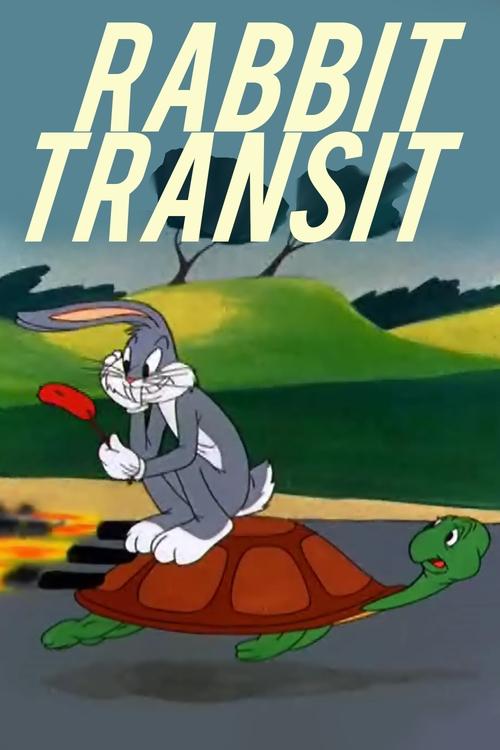
Rabbit Transit
1947
No user ratings available yet
Diversity score: 0.3 out of 10
No Poster Available
1955
ApprovedDirector
Dave Tendlar, Bill Hudson
Runtime
6 minutes
Average Rating
No ratings yetSynopsis
It's the night of the Big Fight between Tommy Tortoise and Michael "Moe" Hare. Tommy takes a beating at first and "Moe" knocks him through the "screen" onto the the animator's table, where Tommy learns what strategy and weapons "Moe" will be using in the fight. Since his shell is good protection, Tommy produces two more shells and "Moe" is soon confused by having to play the old shell game. The hare then stuffs horseshoe into his gloves, but the tortoise reacts by pushing a magnet for the rabbit's throat. The rabbit is soon punching himself.
Overall Score
Minimal
Category Breakdown
LGBTQ+ Representation
The narrative focuses entirely on a physical conflict between two anthropomorphic animals. There is no evidence of non-cisnormative identities or same-sex intimacy.
Gender Representation
The story centers on a struggle between two male-coded characters. It lacks female characters and does not engage with gender hierarchies or roles.
Racial & Ethnic Diversity
The film uses animal archetypes to drive its comedic conflict. There are no specific indicators of racialized casting or ethnic subtext within this fable.
Religious & Cultural Diversity
The film relies on traditional slapstick tropes and individual competition. It avoids critiquing Western institutions but uses trickster logic to move away from rigid morality.
Disability Representation
No characters possess visible or invisible disabilities. Physical damage is used strictly as a comedic device rather than an exploration of impairment.
Strengths
Areas for Improvement
AI Analysis
Rabbit Punch is a product of mid-century animation, relying on traditional slapstick and animal archetypes rather than identity-driven narratives. The conflict between Tommy Tortoise and Michael "Moe" Hare is purely physical and centered on a competitive struggle. The film lacks intersectional complexity, offering no representation of gender, race, or LGBTQ+ identities. It functions within a standard binary of combatants, utilizing the medium's fourth-wall-breaking capabilities for humor rather than social commentary. While the use of 'trickster logic' provides a slight departure from heavy-handed moral instruction, the work remains firmly within the bounds of conventional, non-subversive entertainment typical of its era.
1947
1936
1957
1943
1953
1941
1947
1953
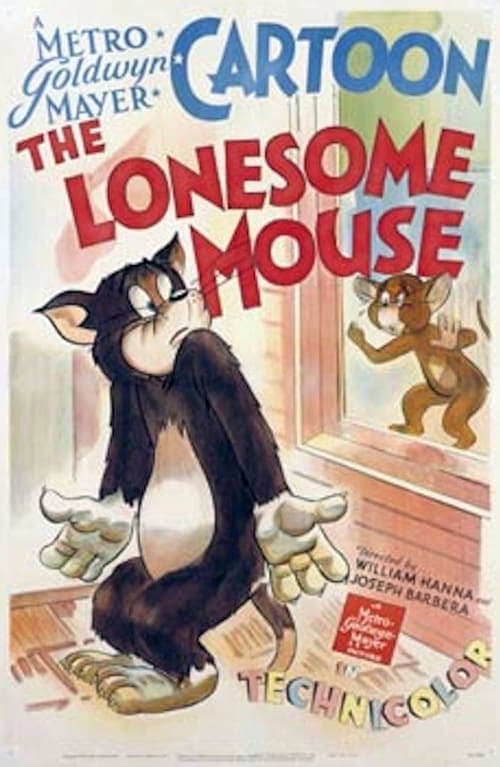
1943
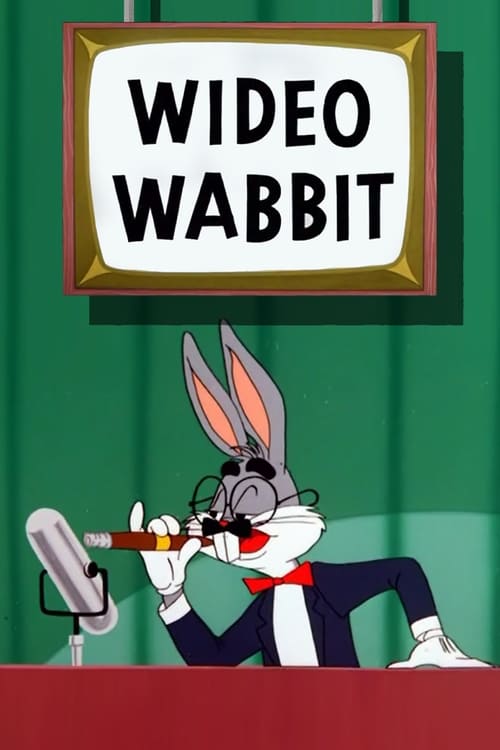
1956
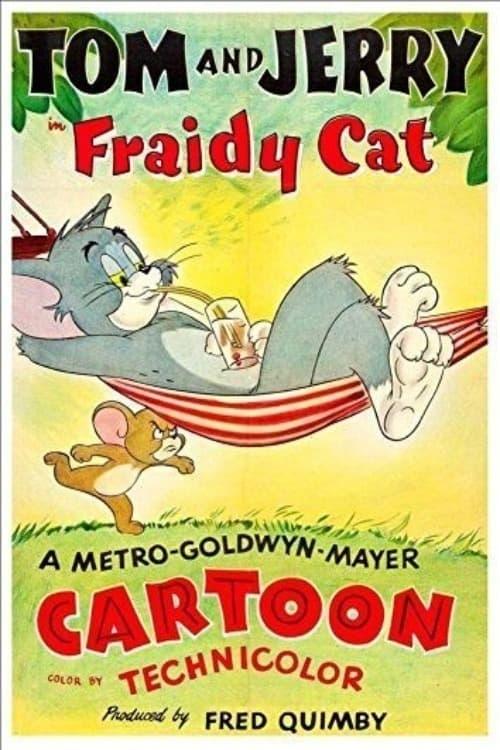
1951
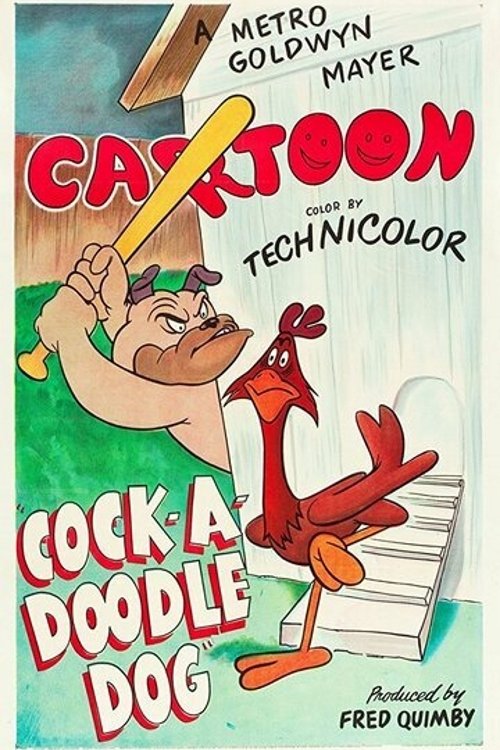
1951
No reviews yet. Be the first to share your thoughts on this movie!
Use the rating form above to leave a star rating and optional review.