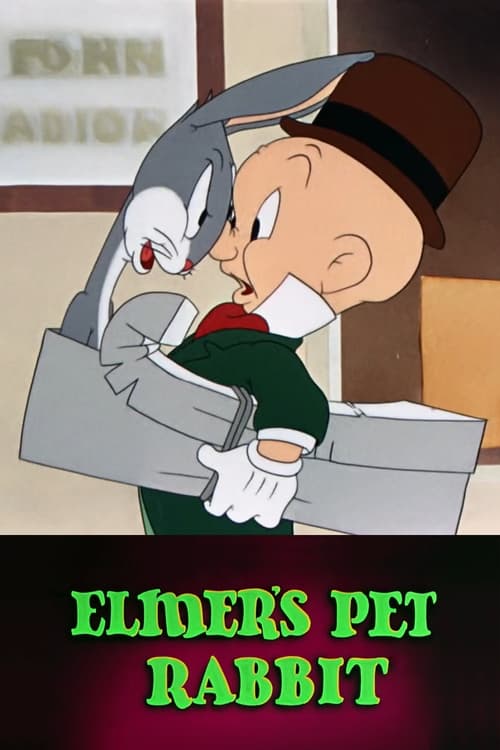
Elmer's Pet Rabbit
1941
No user ratings available yet
Representation score: 0.4 out of 10
Representation Score
Minimal
1943
NRDirector
Chuck Jones
Runtime
8 minutes
Average Rating
No ratings yetNew Showbiz Analysis
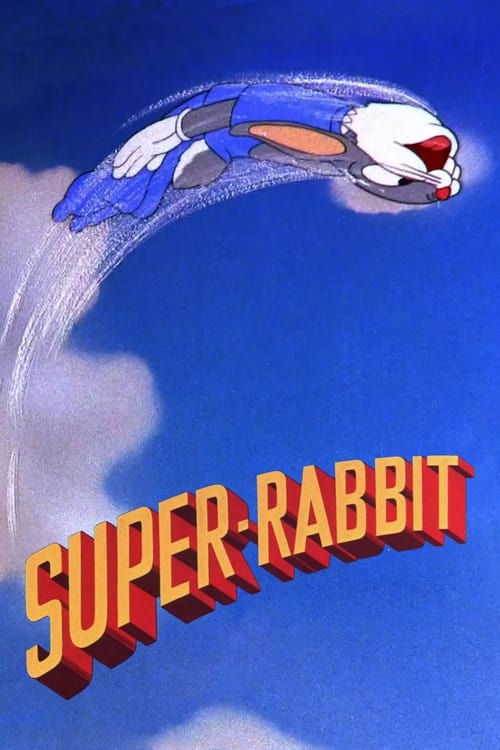
Super-Rabbit operates as a typical mid-century comedic short, adhering to conventional narrative structures. The plot follows a straightforward hero-versus-villain storyline that lacks complexity in terms of diverse identities. The film heavily relies on established archetypes, such as the cowboy, which historically centers specific demographic norms. This results in a narrow narrative scope that does not challenge social hierarchies. Ultimately, the work reflects the traditionalist frameworks of 1940s American animation, prioritizing slapstick humor over diverse representation or deeper subtext.
Category Breakdown
The film does not include any representation of non-straight or non-cisgender identities. The story revolves around a typical hero versus villain conflict.
The story centers on a conflict that emphasizes traditional masculinity, involving a rabbit and a cowboy. There are no female characters or challenges to traditional gender roles.
The use of the cowboy archetype suggests a focus on Anglo-Saxon traditions. The film seems to reflect the homogeneous demographics of the 1940s.
The narrative follows standard heroic clichés from the mid-20th century. It does not include any systemic critiques or diverse cultural perspectives beyond traditional morality.
There is no information available regarding the inclusion or portrayal of characters with physical or neurodivergent disabilities.
Present on Screen
Limited or Absent
Official Synopsis
Bugs Bunny becomes a superhero who does battle with a rabbit-hating cowboy and his horse.
1941
1953

1951
1951
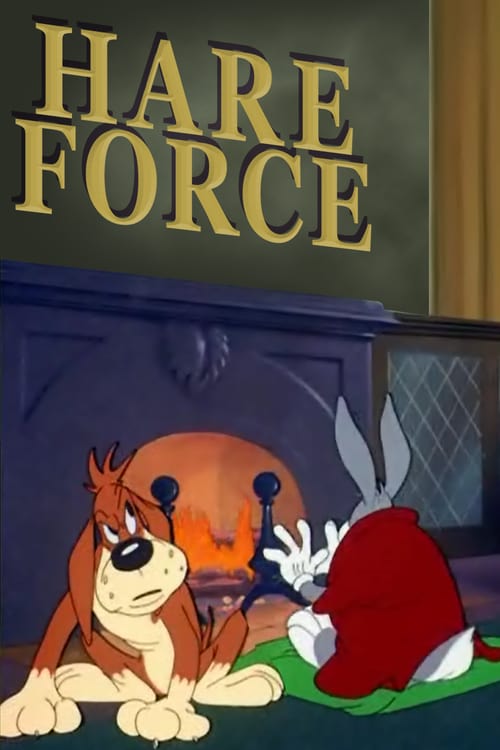
1944
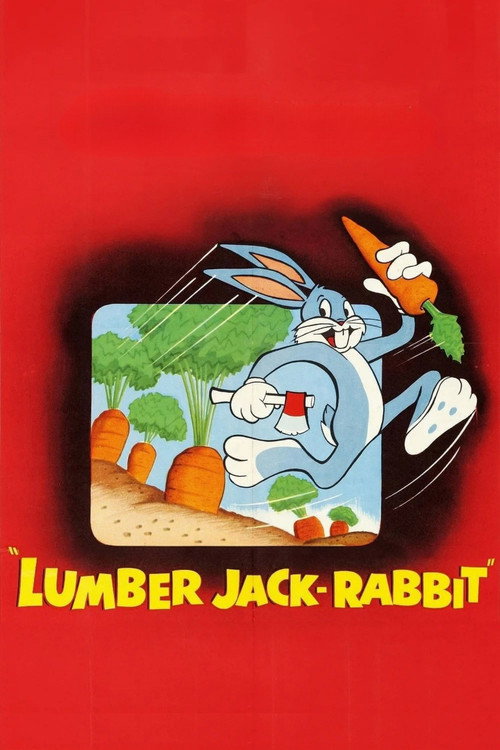
1953
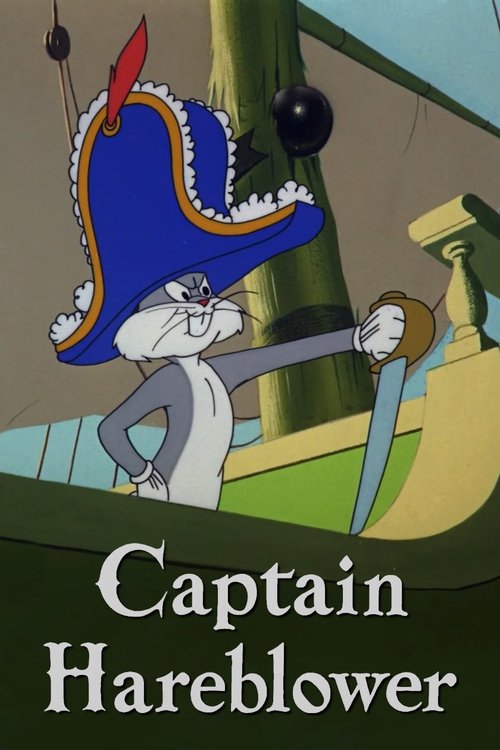
1954
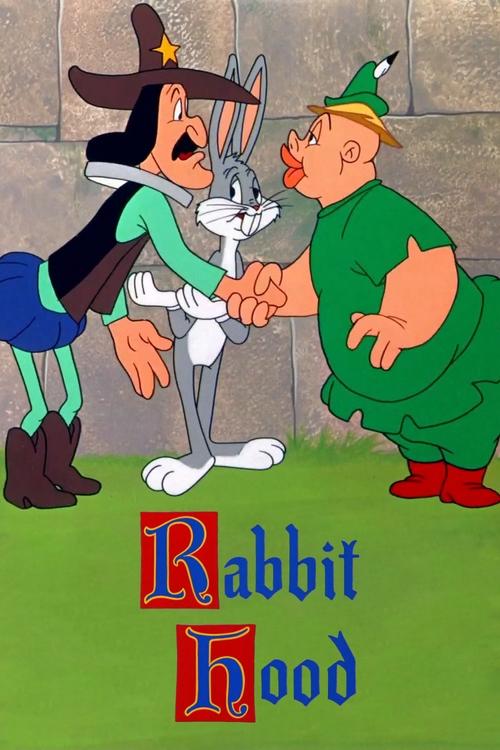
1949
No reviews yet. Be the first to share your thoughts on this movie!
Use the rating form above to leave a star rating and optional review.