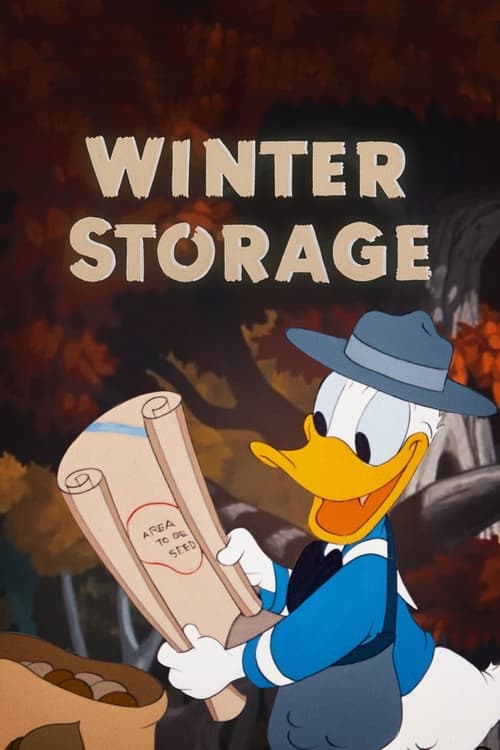
Winter Storage
1949
No user ratings available yet
Representation score: 2.4 out of 10
Representation Score
Minimal
1947
NRDirector
Jack Hannah
Runtime
7 minutes
Average Rating
No ratings yetNew Showbiz Analysis
This 1947 short is a typical example of mid-century slapstick animation. The narrative revolves around a conflict between Donald Duck and two chipmunks, emphasizing physical comedy over social or identity-based themes. Since the story centers on a narrow rivalry, it does not provide a broad canvas for diverse perspectives. The characters exist within a vacuum of species-based roles, offering no engagement with overlapping aspects of identity or progressive social frameworks. Ultimately, the film adheres strictly to the established norms of its era, functioning as a traditional comedic piece without any intentional focus on social representation.
Category Breakdown
The film does not depict any non-straight relationships or identities. Characters are defined by their roles in a slapstick conflict involving anthropomorphic animals.
The cast is made up of male characters, including Donald Duck, Chip, and Dale. There are no female characters, which means there is no exploration of gendered power dynamics.
Since the film features anthropomorphic animals, it does not address human racial or ethnic categories. The cast is consistent with the animal characters' biological context.
The narrative follows traditional mid-century comedic structures, focusing on physical mischief without engaging with any critiques of Western institutions or systemic ideologies.
No characters are shown with visible or invisible disabilities. The comedy relies on standard cartoon physics rather than any narrative devices related to disability.
Present on Screen
Limited or Absent
Official Synopsis
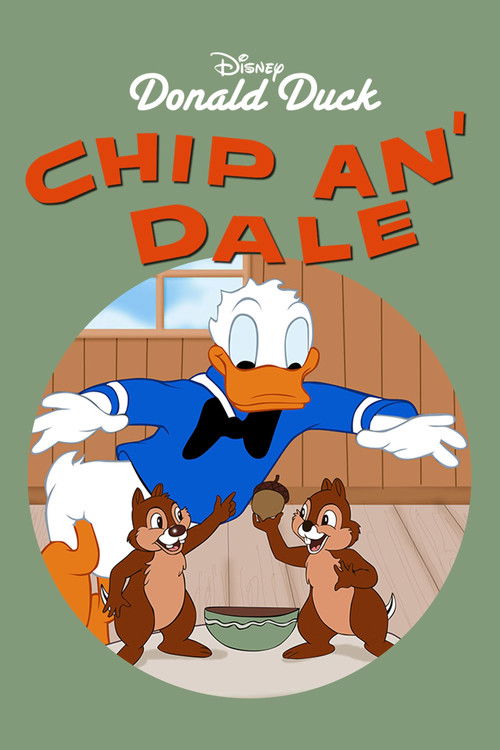
Donald needs a log for his fire. Unfortunately, the one he picks is occupied by a couple of chipmunks and their stash of acorns. When he cuts it down, Chip and Dale fall out, but their acorns stay behind, so they work at putting out Donald's fire and retrieving their stash. Donald, of course, takes this as calmly and cheerfully as you would expect.
1949
1955
1949
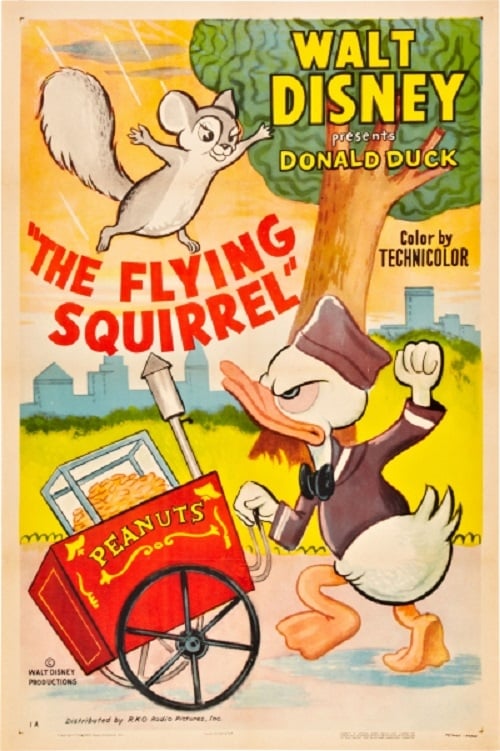
1954

1951
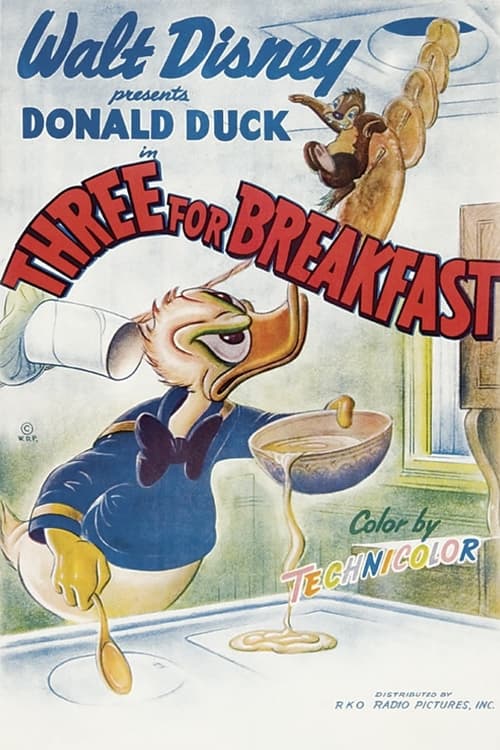
1948
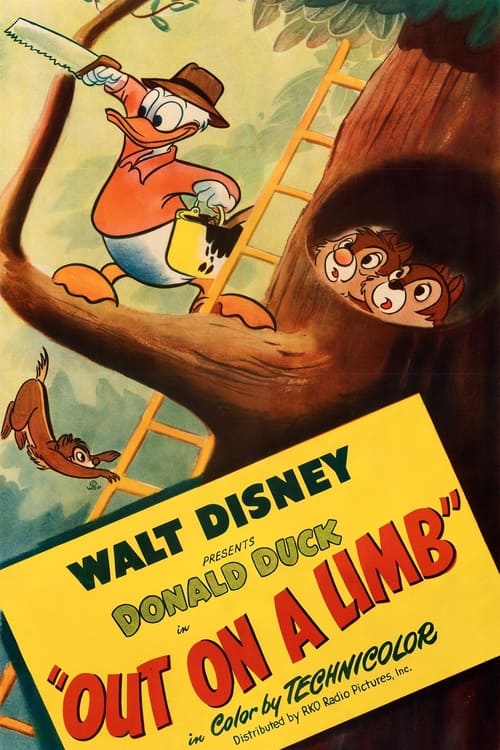
1950
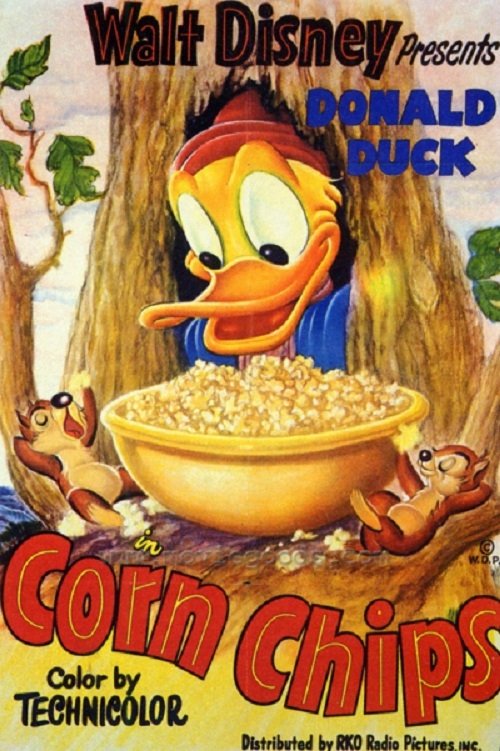
1951
No reviews yet. Be the first to share your thoughts on this movie!
Use the rating form above to leave a star rating and optional review.