Tortoise Wins by a Hare
1943
No user ratings available yet
Diversity score: 1.1 out of 10
1936
NRDirector
Wilfred Jackson
Runtime
7 minutes
Average Rating
No ratings yetSynopsis
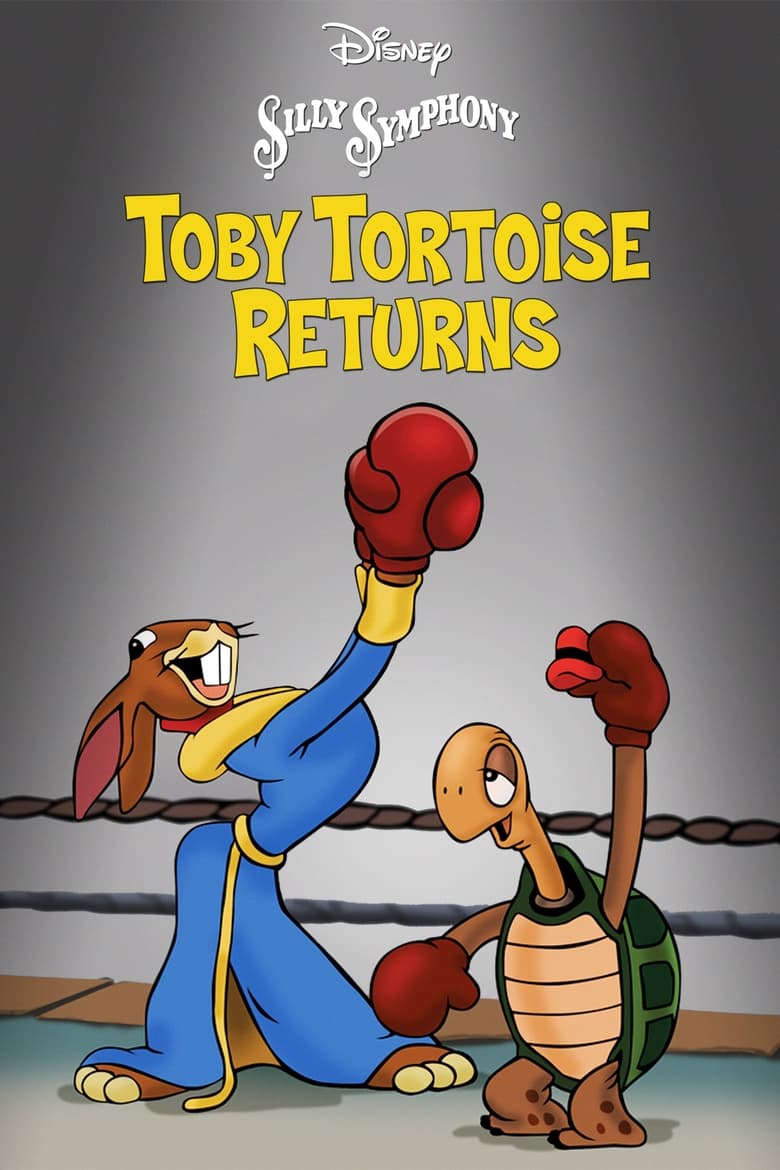
Toby Tortoise is back, and this time he and Max Hare box instead of racing.
Overall Score
Minimal
Category Breakdown
LGBTQ+ Representation
The film lacks any depiction of non-heteronormative identities. The narrative centers on a binary rivalry between two animal characters, following traditional structures common to the era.
Gender Representation
The story focuses exclusively on male-coded characters, Toby Tortoise and Max Hare. There is no presence of female characters or any subversion of gender hierarchies.
Racial & Ethnic Diversity
Characters are presented as animal archetypes rather than diverse ethnic identities. The plot focuses on physical rivalry without evidence of race-bending or ethnic representation.
Religious & Cultural Diversity
The film adheres to 1930s comedic tropes and conventional storytelling. It emphasizes individual physical prowess through a boxing motif rather than exploring diverse cultural or political perspectives.
Disability Representation
No characters are shown with visible or invisible disabilities. The protagonists are portrayed with the physical vitality necessary for a boxing-themed narrative.
Strengths
Areas for Improvement
AI Analysis
Toby Tortoise Returns is a product of the 1930s Golden Age of Animation, prioritizing slapstick comedy and rhythmic movement over social complexity. The narrative is built around a traditional masculine competition between two animal protagonists, leaving little room for diverse perspectives. The film lacks representation across almost every identity category, including gender, race, and disability. It functions within a narrow, conventional framework that focuses on physical rivalry rather than any meaningful social or cultural exploration. Ultimately, the work reflects the era's standard anthropomorphic tropes. It does not attempt to challenge existing social hierarchies or introduce progressive identity-based narratives.
1943
1955

1947
1948

1943
1941
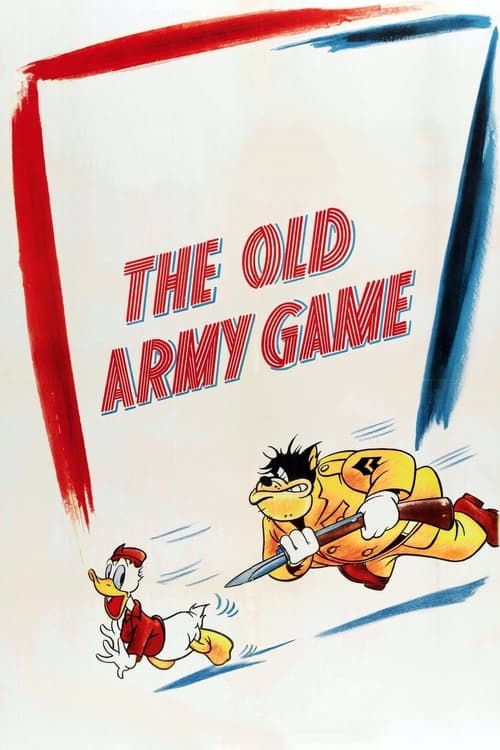
1943
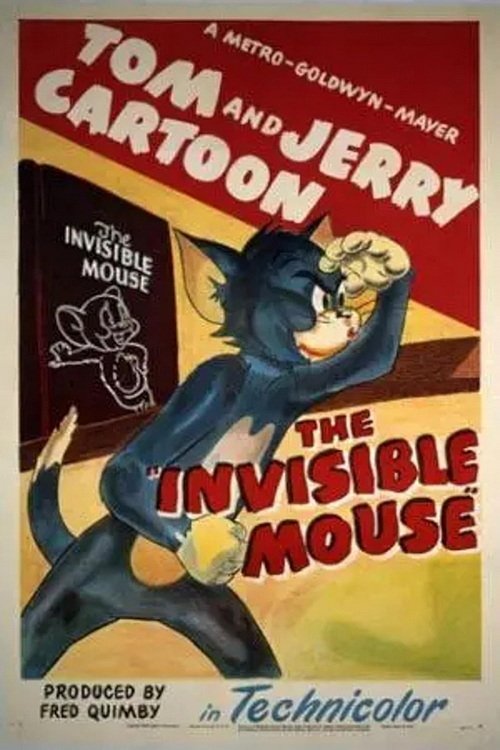
1947
1939
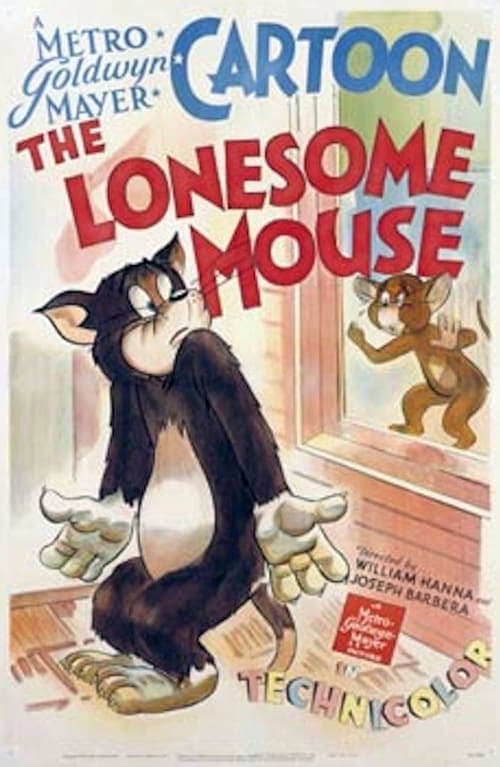
1943
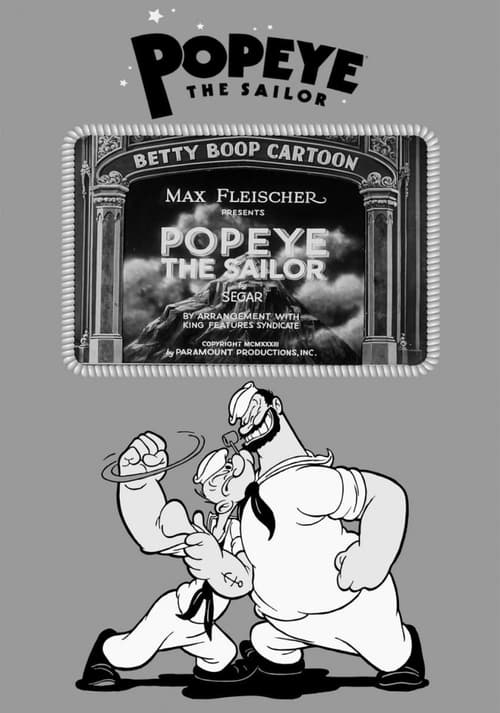
1933
1958
No reviews yet. Be the first to share your thoughts on this movie!
Use the rating form above to leave a star rating and optional review.