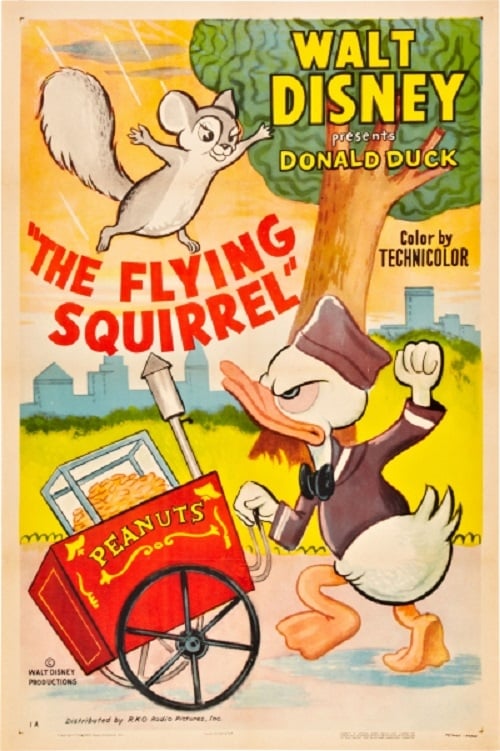
The Flying Squirrel
1954
No user ratings available yet
Representation score: 0.4 out of 10
Representation Score
Minimal
1953
NRDirector
Jack Hannah
Runtime
7 minutes
Average Rating
No ratings yetNew Showbiz Analysis
This animated short operates within a traditional slapstick framework, emphasizing physical comedy over social or systemic issues. The narrative centers on a single protagonist's struggles against environmental obstacles, limiting the potential for diverse representation. The film does not delve into complex character development or identity politics. Instead, it focuses on situational humor and individual frustration, avoiding any disruption of traditional power dynamics.
Category Breakdown
The film does not depict any LGBTQ+ identities or same-sex intimacy. All characters are anthropomorphic birds.
The main character and his nephews are portrayed as male. There are no female characters or diverse gender expressions in the film.
The setting is a non-human marshland with no indication of racial or ethnic diversity. The film does not explore human social identities.
The story follows traditional mid-century Western entertainment values without critiquing religion, capitalism, or Western institutions.
There are no characters shown with visible or invisible disabilities. The film does not include any narratives involving neurodivergence or physical impairments.
Present on Screen
Limited or Absent
Official Synopsis
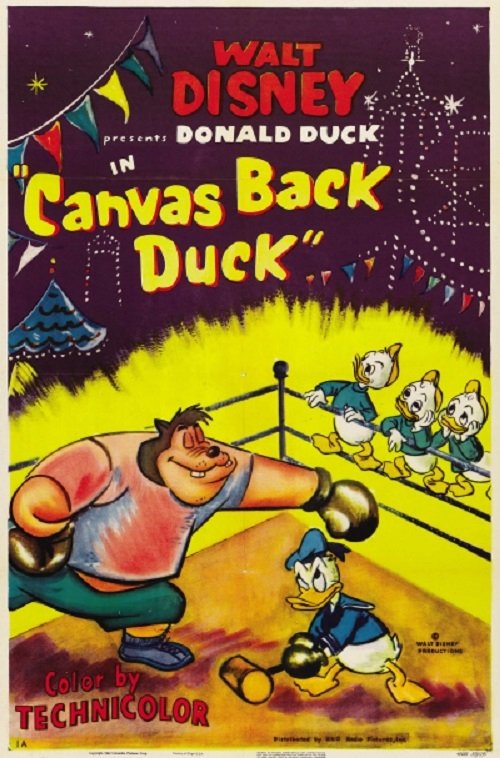
Donald and his nephews are visiting the carnival. After Donald makes a relatively high score on a weight testing machine, he is thought to be a veritable strong man and takes on an offer from a little boy to fight his uncle in a boxing match. Unfortunately for Donald, that "little boy" is actually a con man in cahoots with boxer Peewee Pete who is anything but what his name implies. His nephews notice and try to warn Donald but he finds himself in the ring with Pete anyway.
1954
1948
1947
1950

1951
1953
1943
1949
No reviews yet. Be the first to share your thoughts on this movie!
Use the rating form above to leave a star rating and optional review.