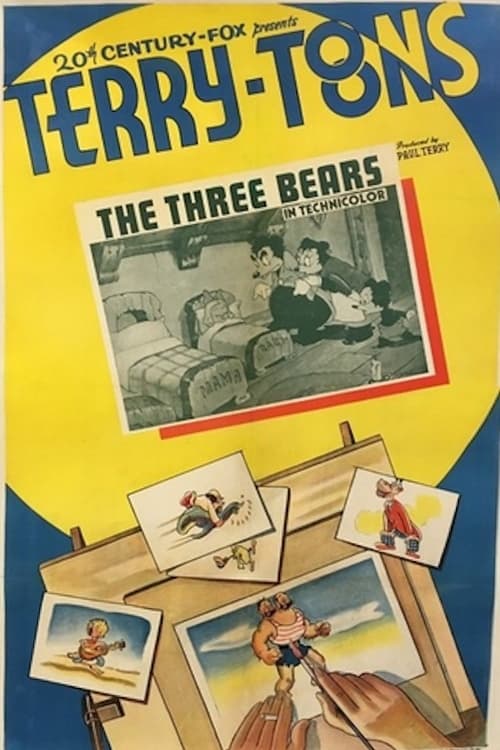
The Three Bears
1939
No user ratings available yet
Representation score: 1.3 out of 10
Representation Score
Minimal
1932
Director
Rudolf Ising
Runtime
7 minutes
Average Rating
No ratings yetNew Showbiz Analysis
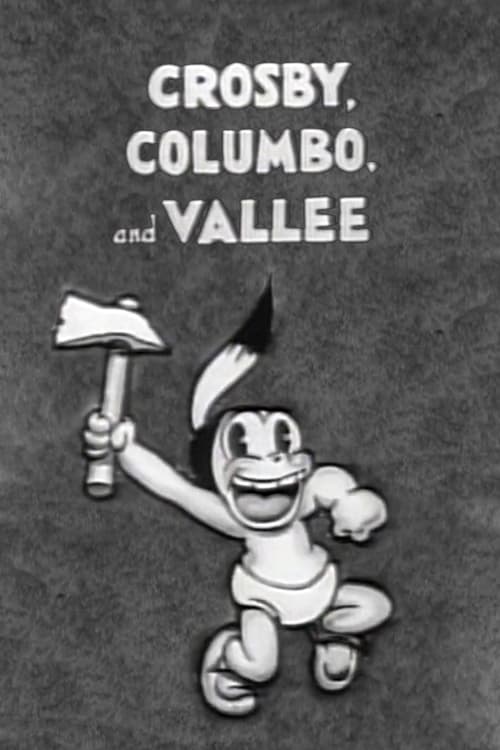
This 1932 animation serves primarily as escapist musical entertainment. It follows a standard narrative arc where a forest fire disrupts a peaceful setting, requiring a rescue mission. While the film includes American Indian characters, it remains rooted in the conservative media landscape of its time. The storytelling emphasizes rhythmic synchronization and slapstick humor over social commentary. Ultimately, the work lacks the structural complexity needed to challenge established social hierarchies, functioning instead as a traditional piece of early sound-era animation.
Category Breakdown
The film does not include any characters with non-binary gender identities. The story revolves around a typical boy-girl dynamic within a traditional musical format.
The film features a boy and a girl, but their roles seem traditional and functional. There is no indication of challenging gender norms or exploring deeper character development.
American Indian characters are included, offering representation of non-Anglo-Saxon identities. However, these portrayals may rely on the romanticized stereotypes common in 1930s cinema.
The story promotes a conventional worldview focused on environmental harmony. It lacks any critique of institutions or secular ideas.
The film does not include any characters with visible or invisible disabilities. There is no representation of neurodivergent individuals.
Present on Screen
Limited or Absent
Official Synopsis
An American Indian boy and girl sing and dance in the forest along with the animals. Trouble begins when a fire threatens baby birds in their nest.
1939
1932
1931
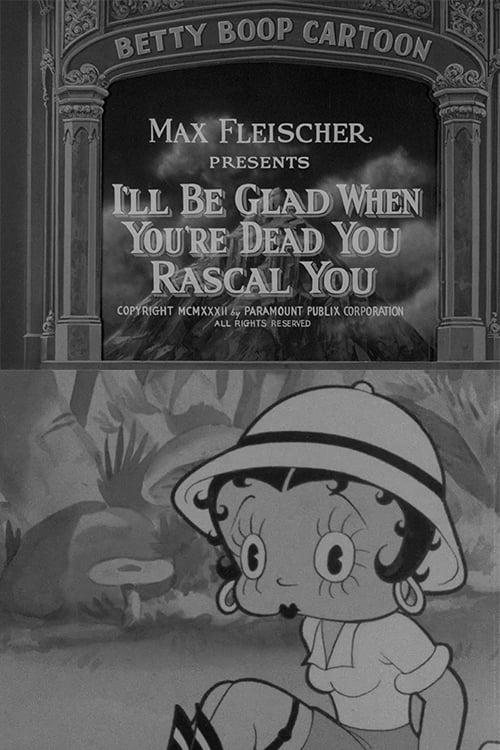
1932
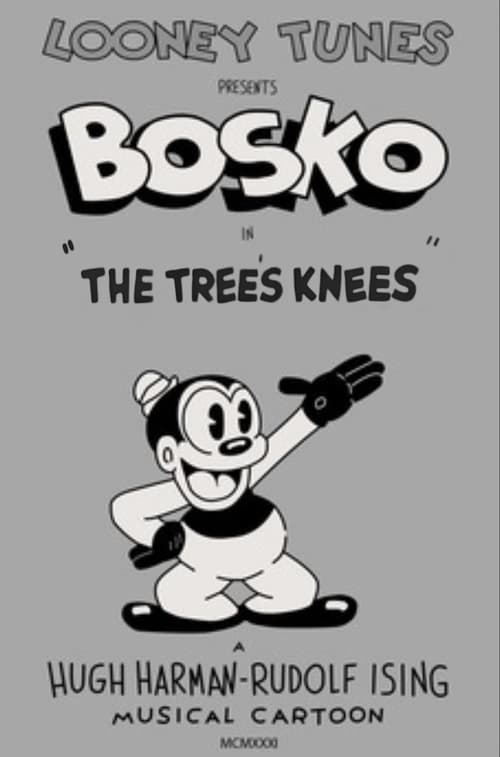
1931
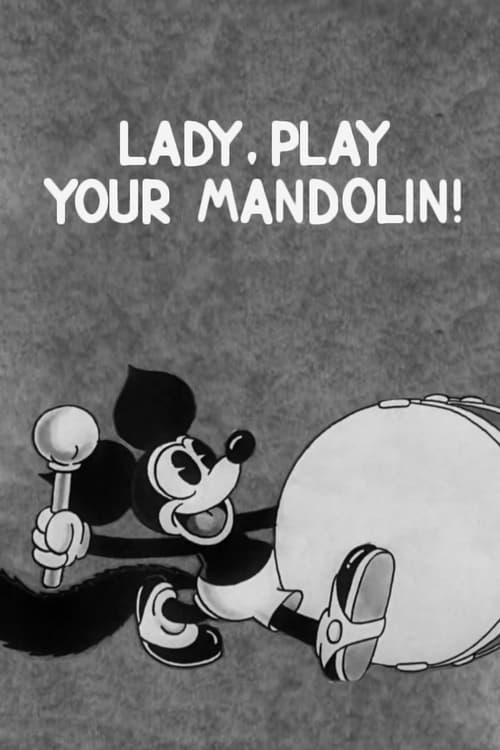
1931
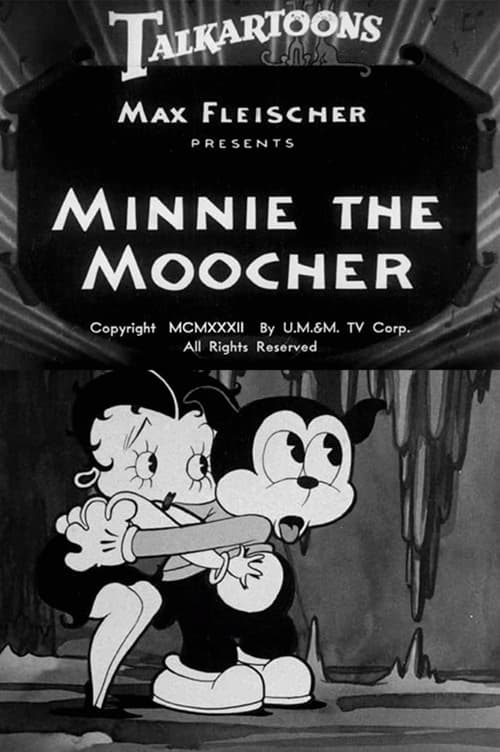
1932
1932
No reviews yet. Be the first to share your thoughts on this movie!
Use the rating form above to leave a star rating and optional review.