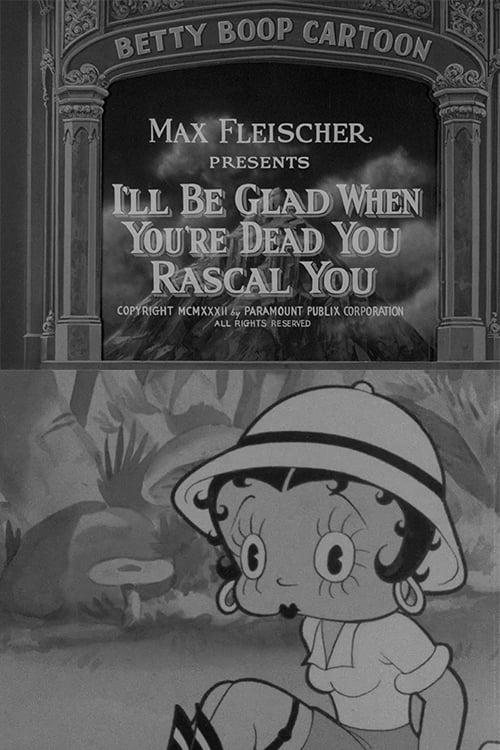
I'll Be Glad When You're Dead You Rascal You
1932
No user ratings available yet
Representation score: 1.1 out of 10
Representation Score
Minimal
1930
Director
Dave Fleischer
Runtime
8 minutes
Average Rating
No ratings yetNew Showbiz Analysis
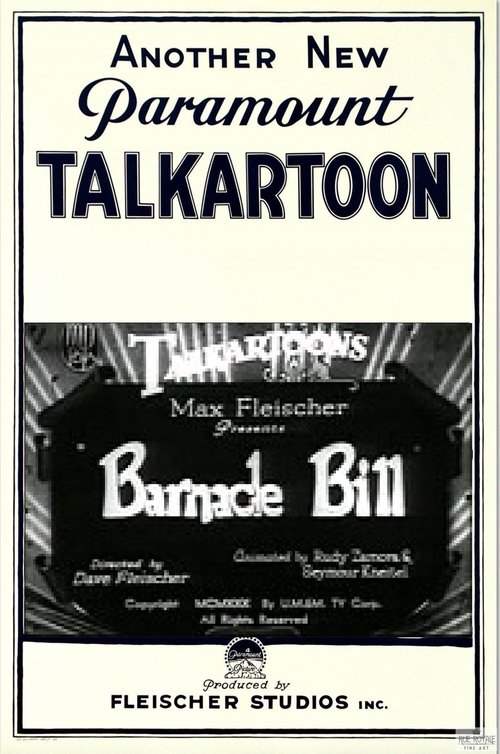
Barnacle Bill is a product of the early sound era, prioritizing slapstick comedy and musical interludes over complex social storytelling. The narrative structure follows standard episodic formats common to 1930s animation, focusing on character-driven humor rather than challenging power dynamics. The film reflects the social constraints of its time, utilizing established cultural archetypes. While Betty Boop offers a degree of visual prominence, the overall representation remains rooted in the homogeneous and traditionalist norms of the Fleischer Studios' early output.
Category Breakdown
The film does not include any queer narratives or characters with non-straight identities. Character interactions follow traditional romantic patterns from the early 20th century.
Betty Boop provides a strong visual presence, yet the narrative adheres to traditional gender roles and romantic dynamics of the 1930s. The roles follow the established gender hierarchies of the time.
The production features a homogeneous cast typical of early American animation. There is no indication of a diverse cast or multi-ethnic complexity.
The story operates within traditional Western entertainment frameworks, relying on maritime archetypes and conventional morality without critiquing Western institutions.
There is no documented evidence of characters with visible or invisible disabilities in this short.
Present on Screen
Limited or Absent
Official Synopsis
Sailor Bimbo (as Barnacle Bill) jumps ship with his little black book and visits his lady friend, Betty Boop (with dog's ears).
1932
1930
1932
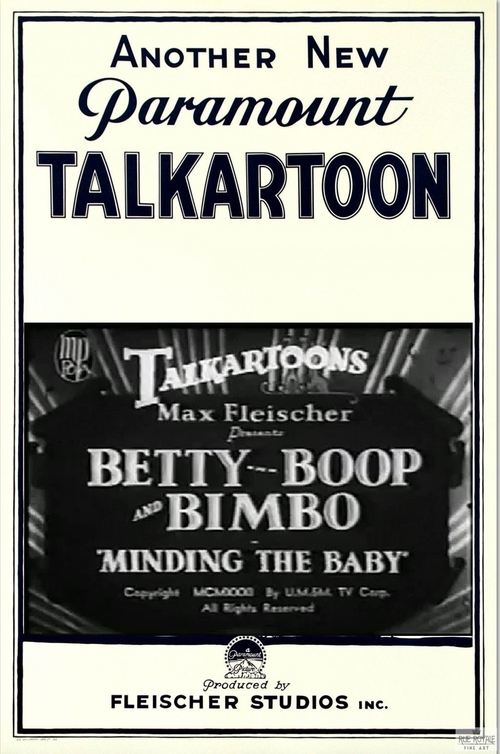
1931
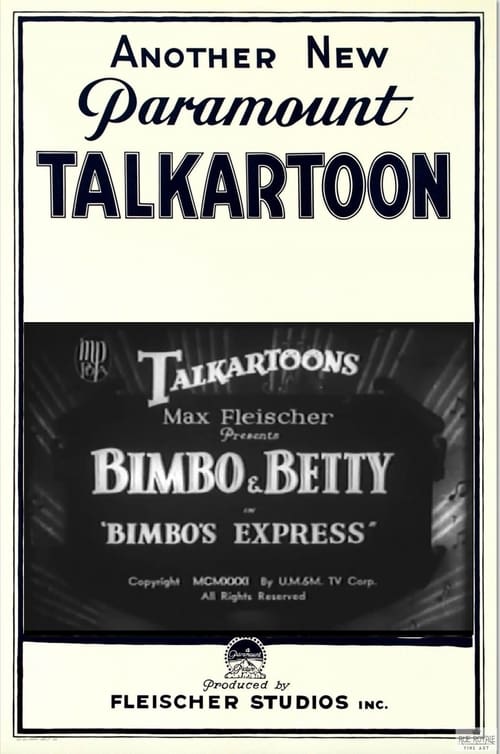
1931
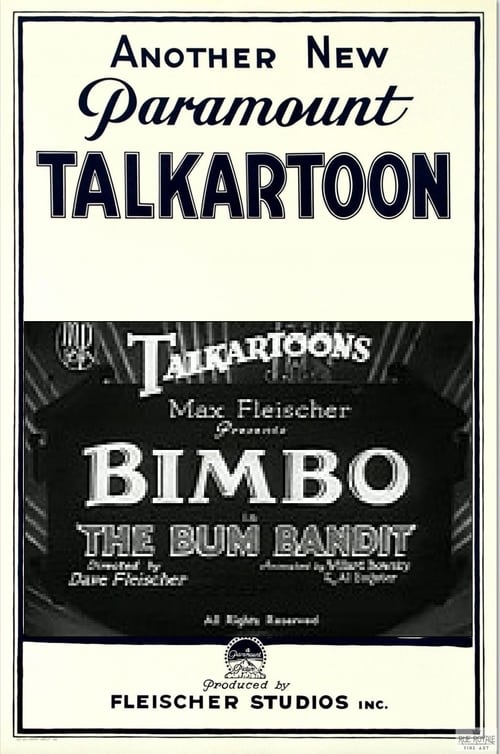
1931
1932
1931
No reviews yet. Be the first to share your thoughts on this movie!
Use the rating form above to leave a star rating and optional review.