Crosby, Columbo, and Vallee
1932
No user ratings available yet
Representation score: 1.1 out of 10
Representation Score
Minimal
1939
Director
Mannie Davis, Connie Rasinski
Runtime
7 minutes
Average Rating
No ratings yetNew Showbiz Analysis
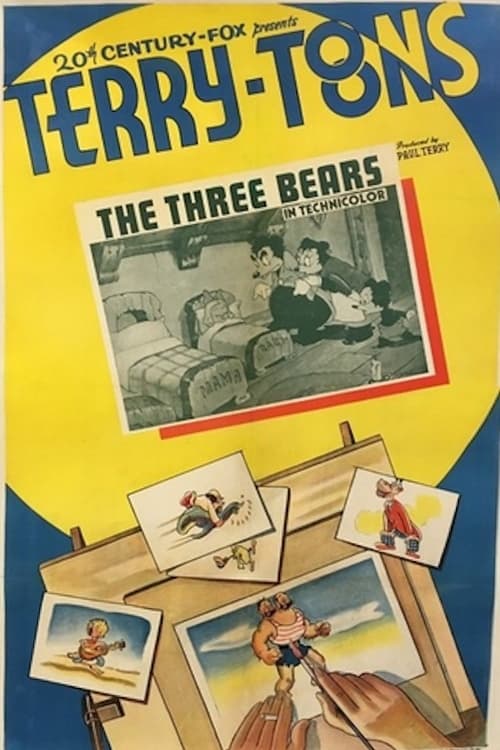
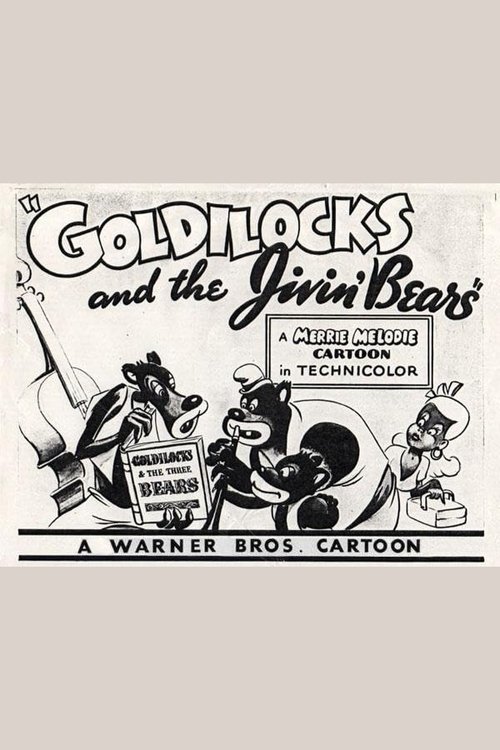
The Three Bears is a typical example of 1930s musical animation that adheres to established folklore. It serves as a straightforward comedic short rather than a socially complex work. While Goldilocks demonstrates more ability to act compared to many female characters of the time by fighting the hunter, the film remains anchored in traditional archetypes. The narrative centers on domestic defense and rhythmic entertainment. Overall, the film lacks depth in representing multiple aspects of identity, sticking to the era's standard comedic structures and Western storytelling norms.
Category Breakdown
The film does not include any characters with LGBTQ+ identities or stories.
Goldilocks actively participates in the climax, dancing and fighting the hunter. However, her character stays within traditional mid-century animation stereotypes.
The cast is made up of anthropomorphic bears. These characters do not represent diverse human experiences or racial identities.
The story follows a traditional Western folklore structure, emphasizing musical comedy and slapstick humor. It does not address systemic or cultural critiques.
There are no characters with physical, sensory, or neurodivergent disabilities in this production.
Present on Screen
Limited or Absent
Official Synopsis
A singing, jitterbugging Goldilocks goes through her paces with the grizzly trio, but when a bear hunter gets into the house, she joins with them to fight and eventually tie him up.
1932
1931
1932
1944
1932
1930
1956
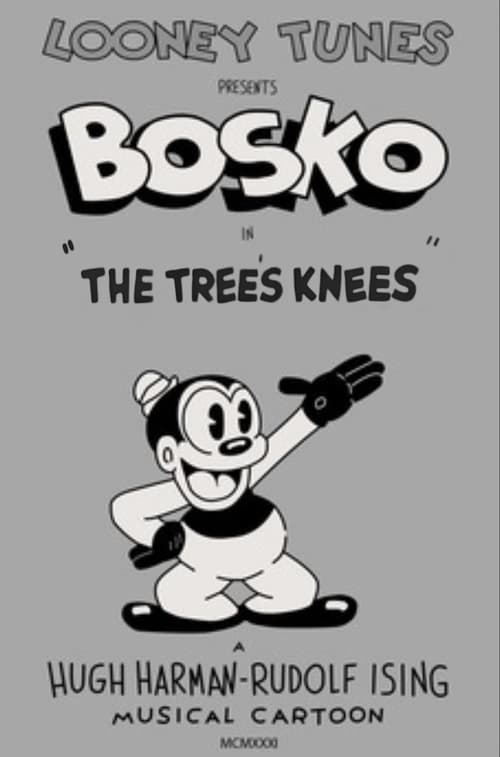
1931
No reviews yet. Be the first to share your thoughts on this movie!
Use the rating form above to leave a star rating and optional review.