Cue Ball Cat
1950
No user ratings available yet
Diversity score: 1.1 out of 10
1951
NRDirector
Joseph Barbera, William Hanna
Runtime
7 minutes
Average Rating
No ratings yetSynopsis
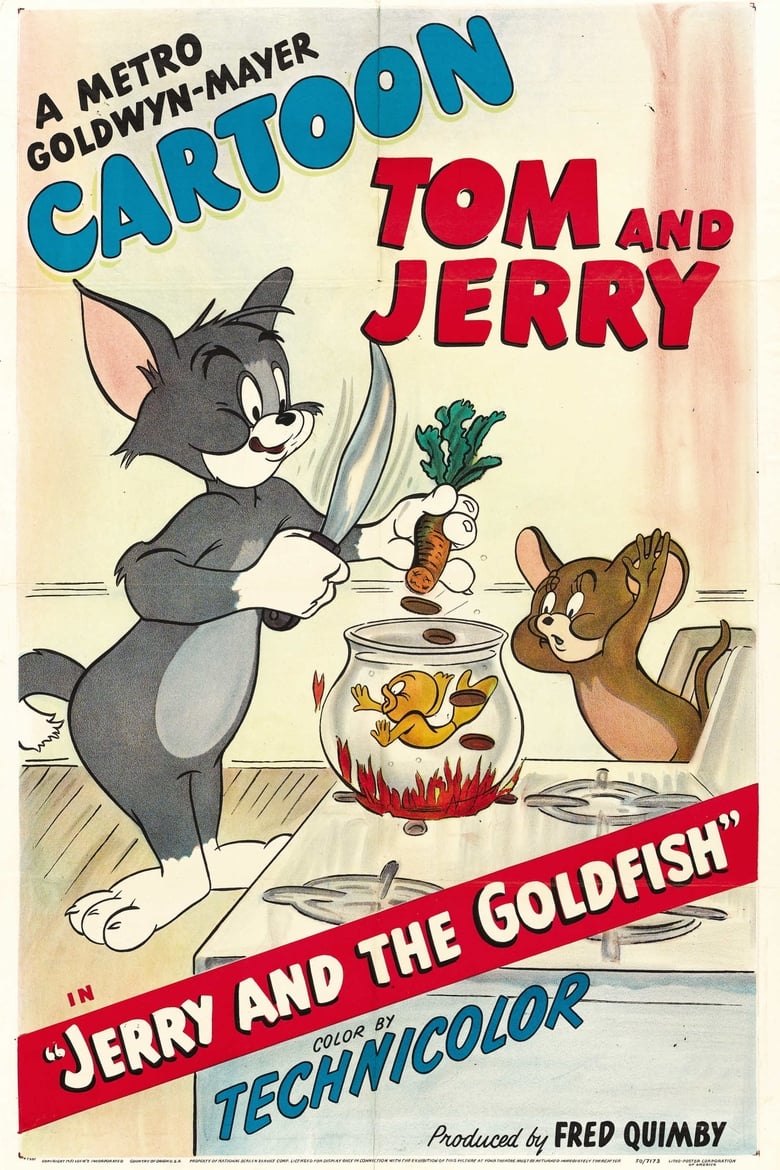
Tom, whose appetite was whetted by a radio cooking program, wants to make a meal out of the pet goldfish. Jerry, who is friends with the fish, does what he can to thwart their feline foe.
Overall Score
Minimal
Category Breakdown
LGBTQ+ Representation
The narrative focuses entirely on a predatory and protective dynamic between a cat and a mouse. There is no evidence of non-cisnormative identities or same-sex intimacy.
Gender Representation
The film utilizes anthropomorphic animals that bypass traditional human gender hierarchies. However, the story relies on a binary power dynamic between the predator and the protector.
Racial & Ethnic Diversity
The animation features a homogeneous cast of animal characters. There is no evidence of racial or ethnic diversity or the use of species as metaphors for marginalized identities.
Religious & Cultural Diversity
The film operates within a traditional framework of domesticity and resource competition. It does not engage with secularism, anti-capitalist themes, or the deconstruction of Western institutions.
Disability Representation
Characters are portrayed through physical comedy and slapstick violence. Physical mishaps are used strictly as comedic devices rather than meaningful representations of lived experience or disability.
Strengths
Areas for Improvement
AI Analysis
Jerry and the Goldfish is a quintessential example of mid-century slapstick animation. The narrative is driven by a primal conflict of hunger and protection, centering on the archetypal rivalry between Tom and Jerry. Because the characters are anthropomorphic animals, the film avoids human social hierarchies but fails to introduce any meaningful diversity. The storytelling adheres to standard 1950s animation conventions, focusing on physical gags rather than social or cultural depth. Ultimately, the short lacks the intentionality required to disrupt social hierarchies or provide intersectional representation, resulting in a score that reflects its historical context.
1950
1951
1955
1946
1950
1944
1944
1944
1955
1946
1947
1965
No reviews yet. Be the first to share your thoughts on this movie!
Use the rating form above to leave a star rating and optional review.