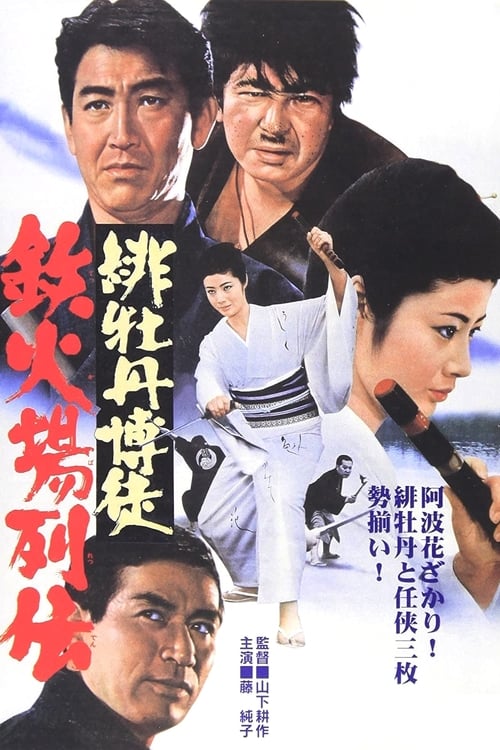
Red Peony Gambler: Biographies of a Gambling Room
1969
No user ratings available yet
Representation score: 5.4 out of 10
Representation Score
Good
1968
Not RatedDirector
Kōsaku Yamashita
Runtime
98 minutes
Average Rating
No ratings yetNew Showbiz Analysis
Red Peony Gambler stands out for its subversion of mid-century gender norms. By placing a woman in the hyper-masculine yakuza underworld, the film replaces the cliché of the submissive female lead with a character driven by autonomous, violent action. The film's strength lies in its portrayal of women's ability to drive the story and leadership. Characters like Ryuko and Otaka occupy powerful positions that challenge the patriarchal expectations of the time, moving the story beyond traditional domestic dramas. However, the film remains culturally homogeneous and lacks explicit LGBTQ+ identities. While it explores regional Japanese identities, it does not offer a multi-ethnic perspective or diverse sexual orientations.
Category Breakdown
The film does not include any explicit LGBTQ+ relationships or gender identities. Ryuko’s reputation for having masculine defiance suggests a subversion of traditional feminine roles, but this is portrayed as a character strength rather than a queer identity.
The narrative challenges traditional gender hierarchies by focusing on a female protagonist who actively dismantles her yakuza family to pursue her own goals. The presence of Otaka, a female crime boss, further challenges the idea that leadership is solely a male domain.
The production depicts a culturally uniform Japanese society without multi-ethnic casting. However, it explores regional identities across Kumamoto, Shikoku, and Osaka, offering a sense of geographic movement.
The film emphasizes personal revenge and individual survival over institutional justice. It portrays the yakuza through a lens of personal loyalty, viewing traditional social structures as secondary to individual initiative.
There are no visible depictions of physical or neurodivergent disabilities that affect the narrative.
Present on Screen
Limited or Absent
Official Synopsis
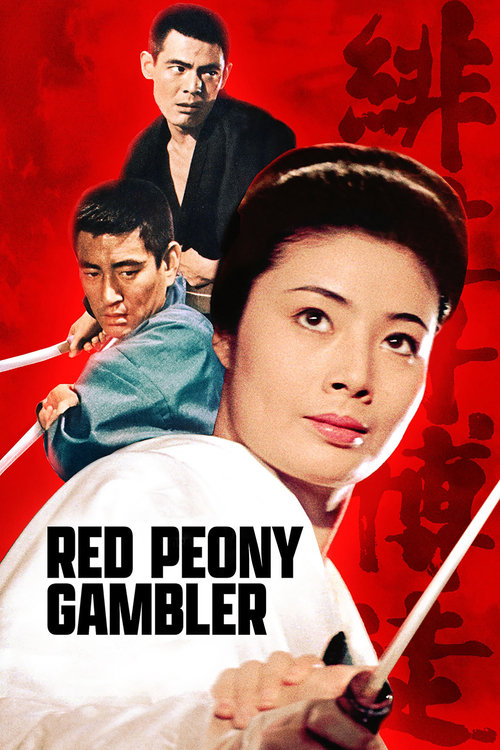
Ryuko was raised by her father, a gambler named Senzo Yano in Kumamoto, Kyushu, after her mother died when she was little. When she turned 18 years old, her father was attacked and killed by a stranger in alley. Ryuko then dissolves her yakuza family, and, carrying the wallet left by the killer, she sets out on a journey to avenge her father’s death. Five years later, she wanders the nation, known only as! Red Peony Oryu who has a red peony tattooed on her shoulder and has the defiance and courage of a man. She meets Katagiri - a loner gambler, Kumatora - boss of a family in Shikoku, and Otaka - female boss of the Doman Family in Osaka. With their help, she finally catches up with the man who murdered her father.
1969

1973

1968

1964

1969
1979
1972
1969
No reviews yet. Be the first to share your thoughts on this movie!
Use the rating form above to leave a star rating and optional review.