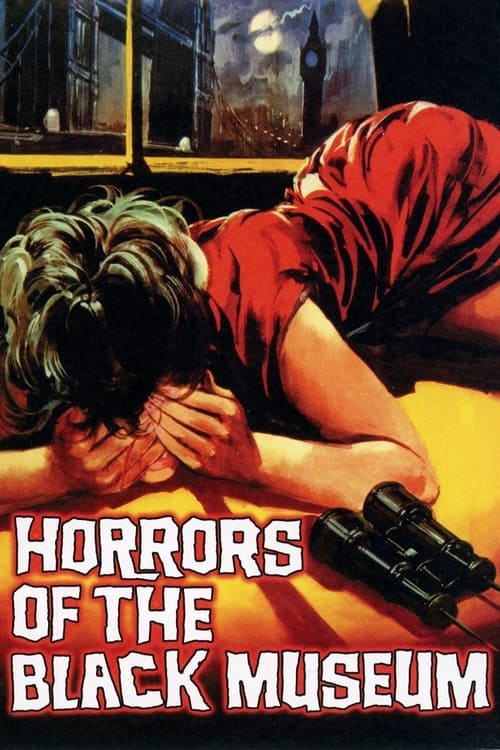
Horrors of the Black Museum
1959
No user ratings available yet
Representation score: 2.6 out of 10

Representation Score
Limited
1939
NRDirector
Walter Summers
Runtime
76 minutes
Average Rating
No ratings yetNew Showbiz Analysis
The film reflects the social hierarchies of 1939 Britain, reinforcing established power dynamics and traditional gender roles. It lacks depth in exploring multiple aspects of identity and primarily uses disability as a gothic device rather than a means for character development. The narrative focuses on the conflict between professional order and individual pathology, without challenging cultural norms.
Category Breakdown
The film adheres to traditional 1939 British horror conventions, lacking any representation of LGBTQ+ identities or same-sex relationships.
Male characters play key roles in driving the plot, while female characters may serve more as objects of suspense rather than central figures.
The cast appears homogeneous and Anglo-Saxon, reflecting the era's social structures without any visible ethnic diversity.
The story upholds traditional British moral frameworks and professional institutions, avoiding any challenge to these norms.
Disability is a central theme, but it is used to signify villainy or horror rather than as a means for character development.
Present on Screen
Limited or Absent
Official Synopsis
Insurance agent-physician collects on policies of men murdered by a disfigured resident of the home for the blind where he acts as doctor-on-call.
1959
1928
1945
1962
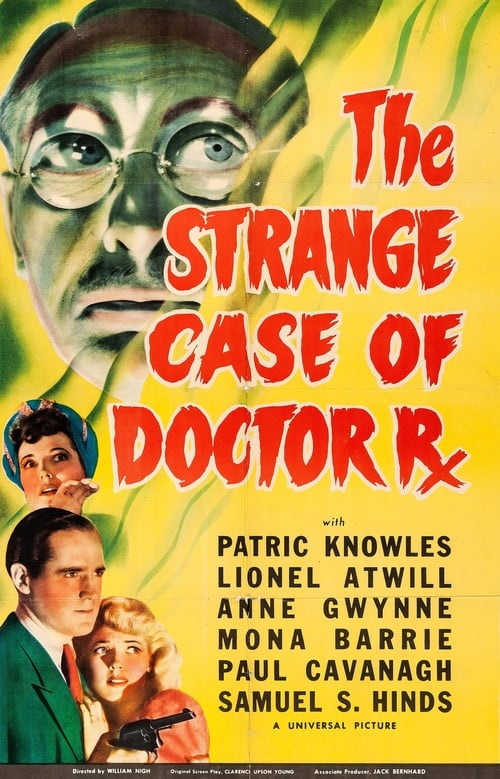
1942
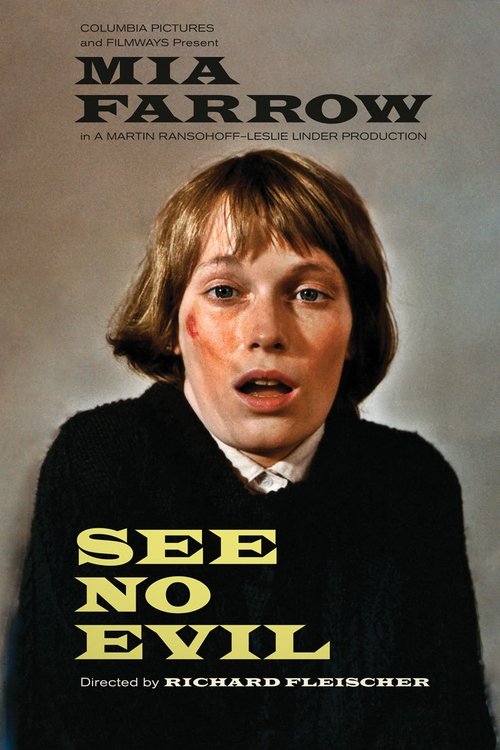
1971
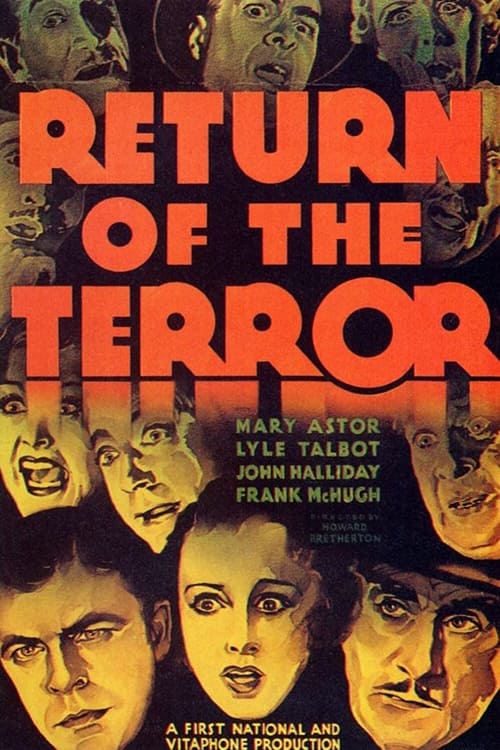
1934
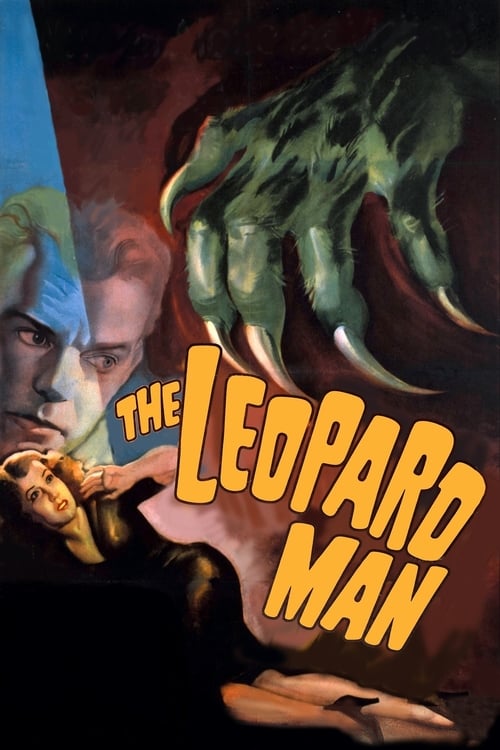
1943
No reviews yet. Be the first to share your thoughts on this movie!
Use the rating form above to leave a star rating and optional review.