
The Undertaker
1988
No user ratings available yet
Representation score: 1.3 out of 10
Representation Score
Limited
1969
RDirector
Bud Townsend
Runtime
98 minutes
Average Rating
No ratings yetNew Showbiz Analysis
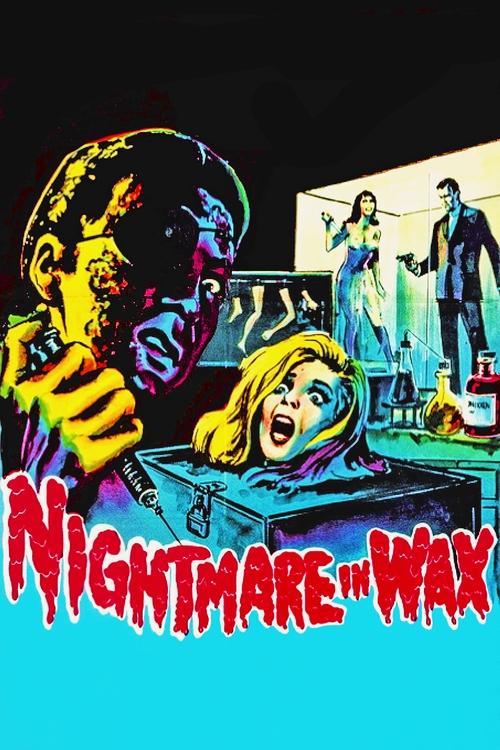
Nightmare in Wax is a traditional exploitation horror film that prioritizes genre clichés over social complexity. The narrative is centered on a singular, disfigured antagonist, limiting the scope for diverse perspectives or multi-layered representation. The film relies heavily on mid-century cinematic clichés, especially regarding the use of physical differences to signify moral corruption. Since the focus remains on individual pathology and a localized cycle of violence, there is little room for meaningful representation of underrepresented groups. Ultimately, the work functions as a contained character study of a villain. It does not attempt to deconstruct systemic power dynamics or provide real influence to characters outside of the central, predatory male figure.
Category Breakdown
The film does not include any LGBTQ+ characters or stories about non-cisgender identities. It follows a typical horror format that doesn't offer space for queer characters to take control of their story.
The story revolves around a male curator who exercises lethal control over his enemies. This emphasizes traditional, predatory masculine roles rather than challenging gender hierarchies.
There are no indications of a diverse cast or the inclusion of non-white characters. The film seems to follow the homogeneous casting standards of 1969.
The plot focuses on a cycle of personal violence. It does not explore themes that challenge Western institutions or address systemic issues.
The protagonist's disfigurement serves as a trigger for villainy. This uses the 'monstrous other' cliché to represent physical disability without providing a deeper exploration of the condition.
Present on Screen
Limited or Absent
Official Synopsis
The disfigured curator of a wax museum murders his enemies and then uses their bodies as exhibits in his museum.
1988
1964

1965
1970
1973
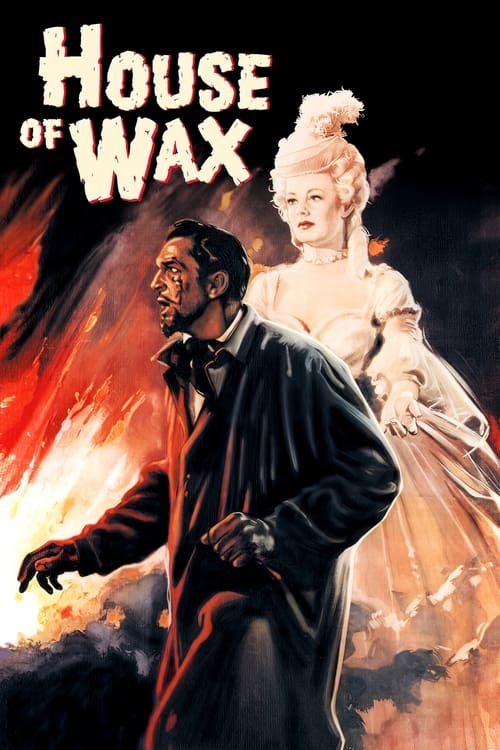
1953
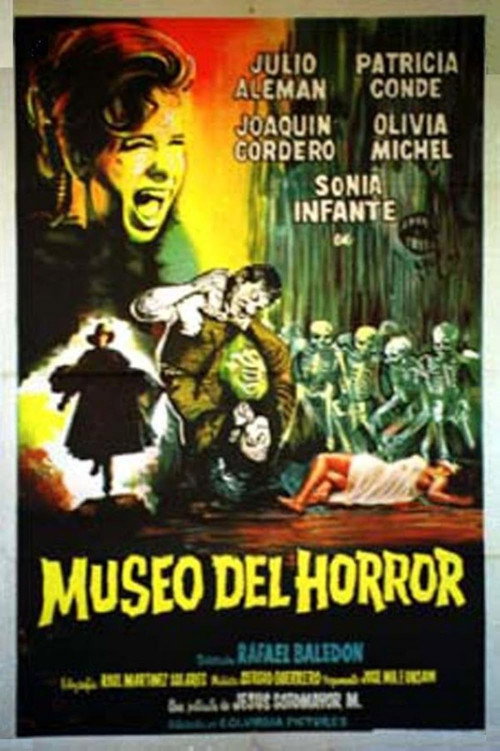
1964
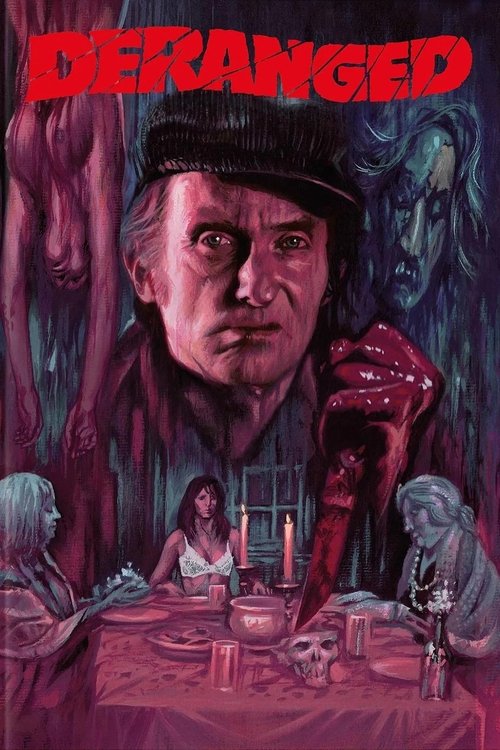
1974
No reviews yet. Be the first to share your thoughts on this movie!
Use the rating form above to leave a star rating and optional review.