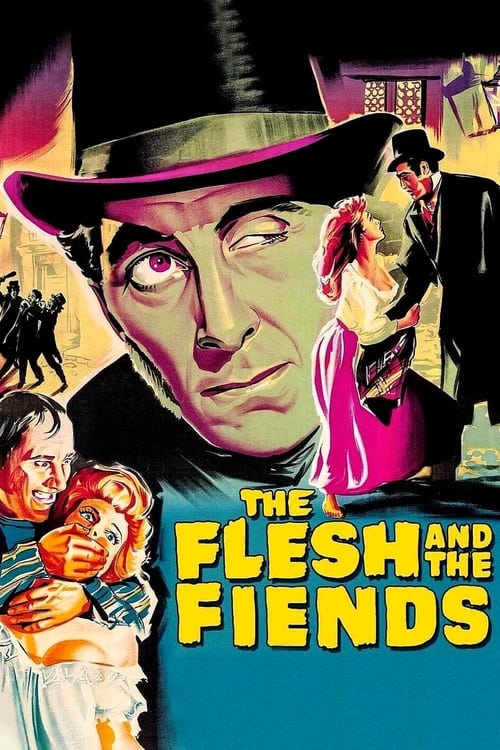
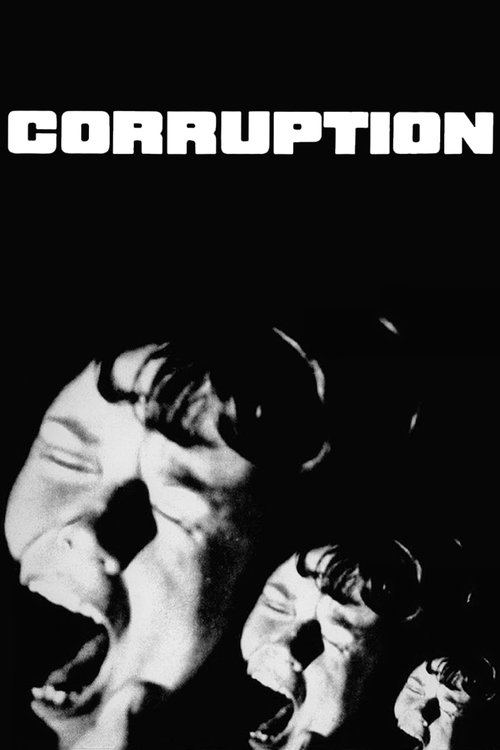
The Flesh and the Fiends
1960
No user ratings available yet
Representation score: 3.8 out of 10
Representation Score
Minimal
1968
RDirector
Robert Hartford-Davis
Runtime
91 minutes
Average Rating
No ratings yetNew Showbiz Analysis
The corruption depicted in the film is rooted in its era, focusing on genre-specific clichés of obsession and violence rather than addressing multi-layered complexities. The narrative structure relies on traditional hierarchies that sideline diverse identities. The film centers on a surgeon’s pathological pursuit of beauty, resulting in a story where women are treated as objects or biological resources. This leads to a stark imbalance in the characters’ roles and reinforces outdated social structures. Overall, the work reflects the localized, homogeneous viewpoints prevalent in late-1960s British horror, offering minimal subversion of established social norms or representation of underrepresented groups.
Category Breakdown
The film does not include any characters with non-binary or transgender identities, nor does it depict any same-sex relationships or intimacy. The story focuses solely on a traditional heterosexual relationship.
Female characters are mostly passive or used as tools for the protagonist’s medical experiments. The story emphasizes a hierarchy where male-driven scientific obsession propels the plot forward.
The cast appears predominantly white, reflecting a 1960s British genre film perspective. There is no significant racial diversity or characters from various backgrounds playing key roles.
The storyline adheres to typical mid-20th century Western values, presenting violence through psychological issues rather than systemic critiques. It operates within a conventional social framework.
Physical scars are used as a plot device to drive a horror narrative centered around the theme of perfect aesthetics. These elements lack nuance and meaningful roles for the characters involved.
Present on Screen
Limited or Absent
Official Synopsis
A surgeon discovers that he can restore the beauty to his girlfriend's scarred face by murdering other women and extracting fluids from their pituitary gland. However, the effects only last for a short time, so he has to kill more and more women. It is ultimately a killing spree which ends with considerable death and disaster.
1960
1960
1976
1971
1989
1987
1962
1974
No reviews yet. Be the first to share your thoughts on this movie!
Use the rating form above to leave a star rating and optional review.