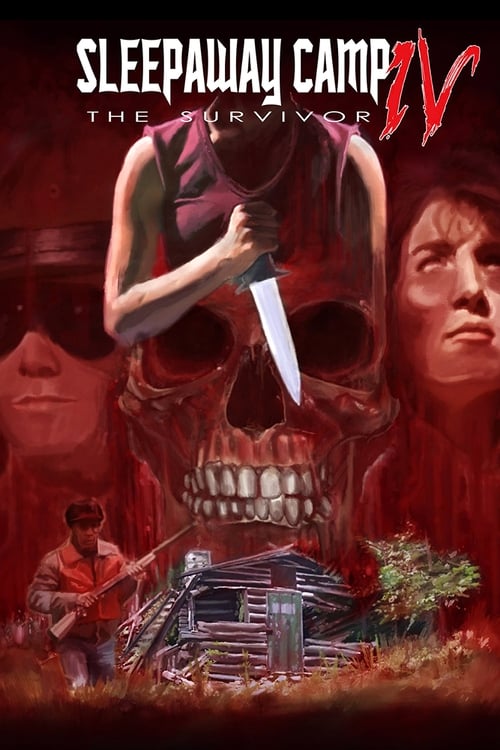
Sleepaway Camp IV: The Survivor
2012
No user ratings available yet
Diversity score: 3.3 out of 10
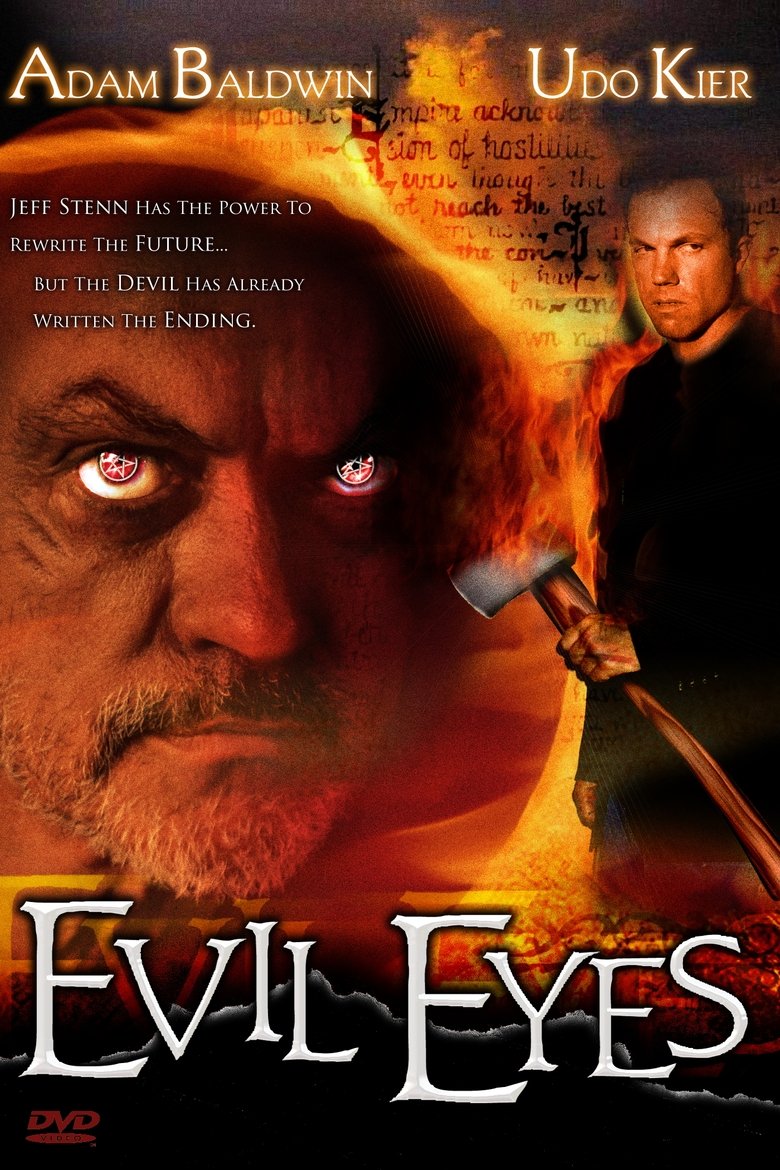
2004
Director
Mark Atkins
Runtime
80 minutes
Average Rating
No ratings yetSynopsis
A screenwriter is plagued by nightmares as he writes a script about a family that was slaughtered years before. Soon, the grisly murders he's writing about start to actually happen.
Overall Score
Limited
Category Breakdown
LGBTQ+ Representation
The film lacks any evidence of non-cisnormative gender identities or same-sex intimacy. The narrative follows conventional heteronormative frameworks typical of early 2000s horror.
Gender Representation
The central conflict focuses on a male screenwriter's psychological state. There is no indication of women occupying roles of superior agency that disrupt traditional masculine leadership tropes.
Racial & Ethnic Diversity
The premise centers on a specific family history and a screenwriter's internal struggle. The narrative suggests a focus on a standard domestic unit without diverse casting.
Religious & Cultural Diversity
The story utilizes the slaughtered family trope, reinforcing traditional notions of domestic sanctity. It leans toward traditional morality rather than critiquing Western institutions or organized religion.
Disability Representation
The protagonist experiences psychological distress and nightmares. It remains unclear if these themes provide agency or simply serve as functional plot devices for horror.
Strengths
Areas for Improvement
AI Analysis
Evil Eyes operates as a traditional genre piece that prioritizes horror tropes over social commentary. The narrative architecture adheres to the conventional boundaries of early 2000s cinema, focusing on a singular male protagonist and a standard domestic unit. There is a notable absence of intentionality regarding intersectional representation. The film does not attempt to deconstruct social norms or disrupt established cultural hierarchies, instead leaning into established genre archetypes. Ultimately, the film functions as a standard psychological horror without significant engagement with identity politics or diverse perspectives.
2012
1989
1969
2004
2001

1994
1980
2003

2009
2017
2020
2000
No reviews yet. Be the first to share your thoughts on this movie!
Use the rating form above to leave a star rating and optional review.