
The Black Cat
1981
No user ratings available yet
Representation score: 2.1 out of 10
Representation Score
Minimal
1964
ApprovedDirector
Ákos Ráthonyi
Runtime
87 minutes
Average Rating
No ratings yetNew Showbiz Analysis
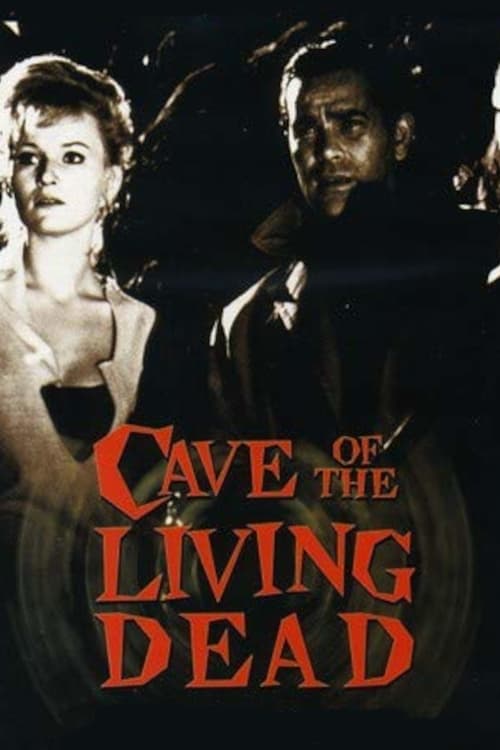
Cave of the Living Dead is a traditional mid-century horror film that prioritizes atmospheric tension and procedural mystery. The narrative structure reinforces conventional social hierarchies rather than challenging them. The film relies on established genre clichés, such as the male detective driving the resolution and female characters acting as victims. This focus limits the depth of character roles and diverse representation. Ultimately, the production reflects the demographic and social norms of 1960s Western European cinema, offering a localized experience without significant cultural or identity-based diversity.
Category Breakdown
The film follows a traditional framework that assumes everyone is straight or cisgender. There are no depictions of same-sex relationships or non-cisgender gender identities.
The story focuses on a male Interpol inspector. Female characters mainly act as plot catalysts and have limited independent roles.
The setting depicts a homogeneous European village. There is no indication of a diverse cast or characters of different racial backgrounds.
The plot incorporates local folklore and superstition. It follows a traditional arc where institutional authority restores order to a superstitious community.
The narrative provides no evidence regarding the portrayal of physical or neurodivergent disabilities.
Present on Screen
Limited or Absent
Official Synopsis
The German police cannot solve the mystery of the seven murders which have alarmed the local villagers. They call in Inspector Doren of Interpol, and the only clue the Chief Constable can give the detective is the fact that, each time a murder was committed, the electric lights in the whole neighborhood went out. The locals believe that the killings of the young girls are linked to the vague shadows in the caves under the local castle and to the mysterious Curse of the Green Eyes.
1981

1966

1973
1972
1966
1971
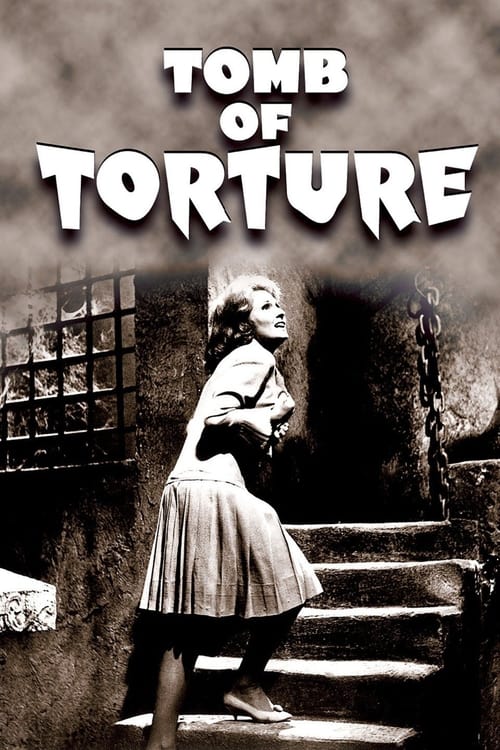
1963
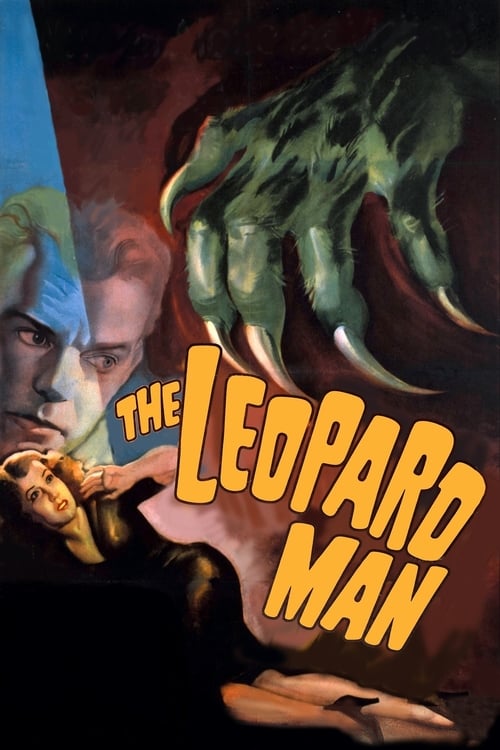
1943
No reviews yet. Be the first to share your thoughts on this movie!
Use the rating form above to leave a star rating and optional review.