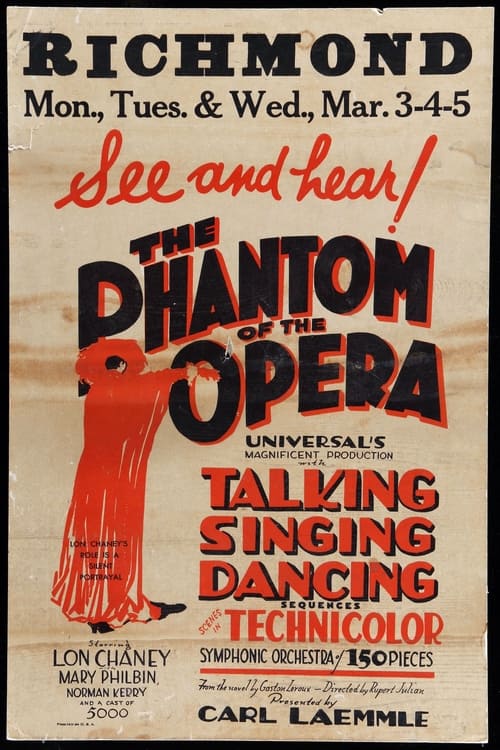
The Phantom of the Opera
1929
No user ratings available yet
Representation score: 1.8 out of 10
Representation Score
Minimal
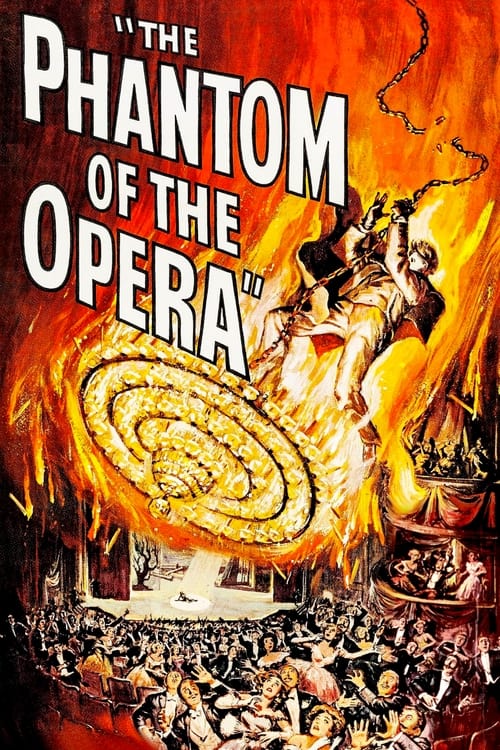
1962
ApprovedDirector
Terence Fisher
Runtime
84 minutes
Average Rating
No ratings yetNew Showbiz Analysis
Terence Fisher’s 1962 adaptation is a quintessential gothic horror film that upholds the social and moral hierarchies of its time. The narrative revolves around archetypal struggles, emphasizing the tension between beauty and deformity. While it excels as an atmospheric horror film, it does not challenge established gender or racial norms, aligning with mid-century British cinematic traditions.
Category Breakdown
The film adheres to a strictly heterosexual and cisgender perspective. There is no indication of queer subtext or representation of non-cisgender identities.
Gender roles remain traditional, with the female lead serving primarily as an object of desire. The narrative centers on male-driven conflicts between the Phantom and Raoul.
The cast is predominantly white and European, lacking diverse ethnic representation. It reflects the era's cinematic standards and the specific Parisian setting.
The story follows conventional Western dramatic structures without challenging institutions. It focuses on individual psychological torment rather than exploring multicultural or anti-institutional themes.
Physical deformity is used as a central narrative device and a tool for horror. The portrayal emphasizes the 'tragic monster' cliché without offering nuanced representation of disability.
Present on Screen
Limited or Absent
Official Synopsis
A London opera house is haunted by tragic events on its opening night, but when its star is kidnapped, a producer tracks down the Phantom who is intent on seeking his revenge.
1929
1925
1983
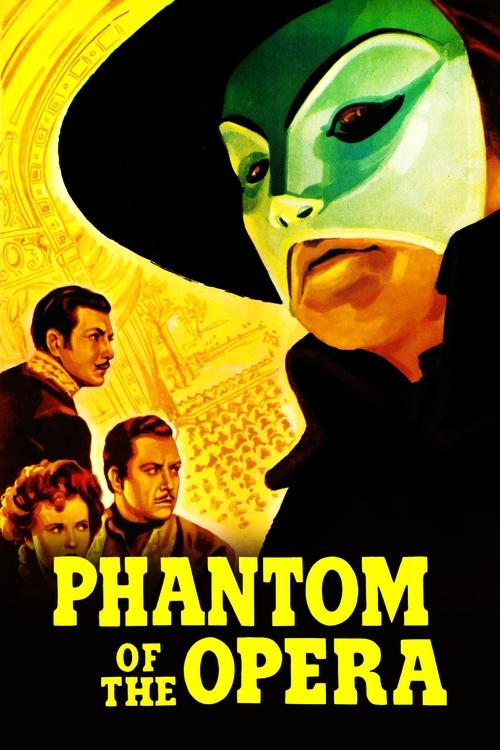
1943
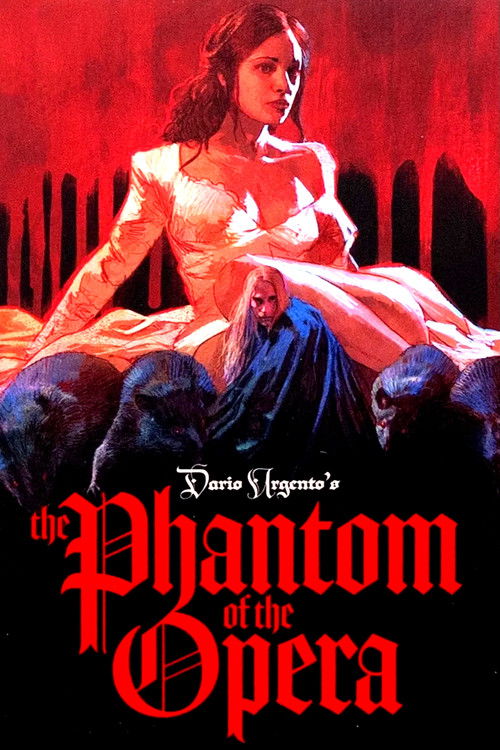
1998
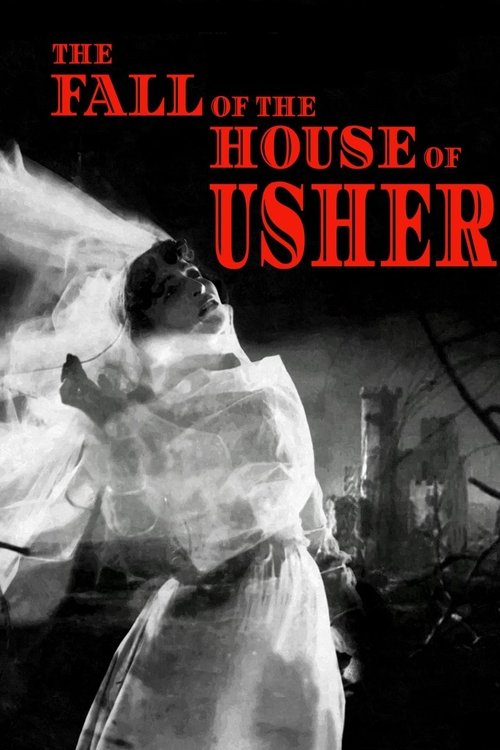
1928
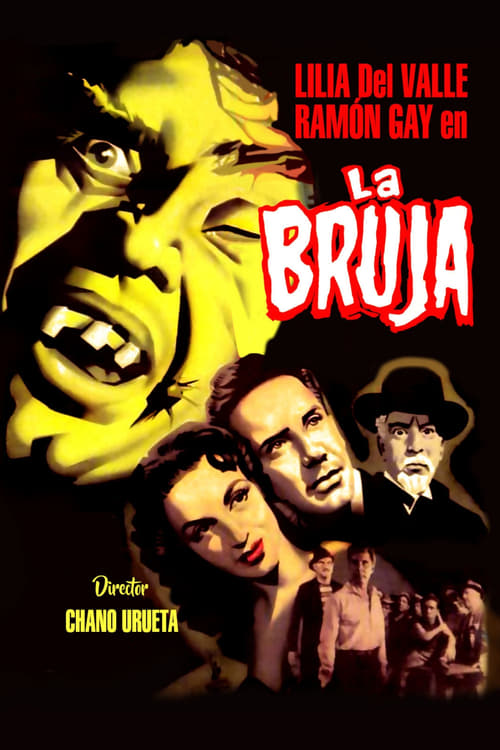
1954

1924
No reviews yet. Be the first to share your thoughts on this movie!
Use the rating form above to leave a star rating and optional review.