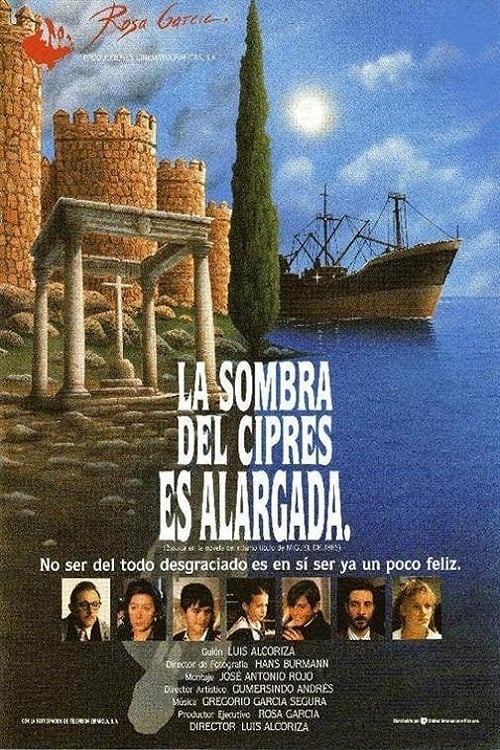
La sombra del ciprés es alargada
1990
No user ratings available yet
Representation score: 5.2 out of 10
Representation Score
Limited
1999
RDirector
José Luis Cuerda
Runtime
96 minutes
Average Rating
No ratings yetNew Showbiz Analysis
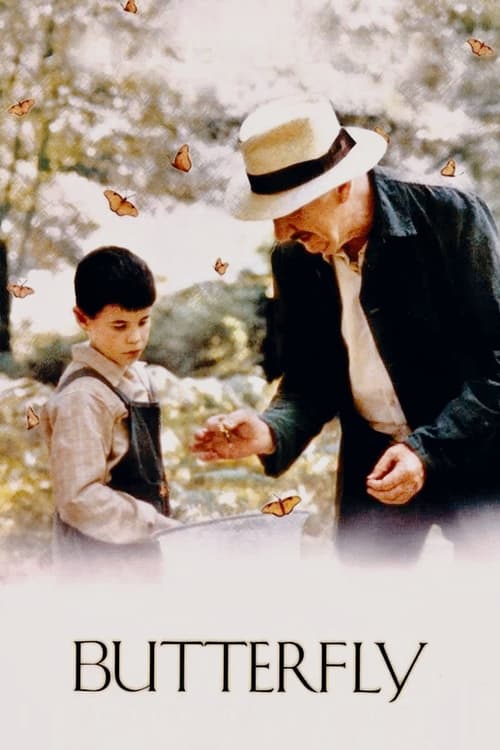
Butterfly is a historical drama that emphasizes thematic depth rather than broad demographic representation. Its low scores in LGBTQ+ and racial diversity are due to its setting in a 1936 rural Galician village, reflecting the era’s demographics. The film excels in critiquing institutional power dynamics. It uses the mentor-student relationship to explore the tension between intellectual enlightenment and rigid, dogmatic systems of pre-war Spain. Its impact lies in challenging traditionalist dominance, presenting the pursuit of knowledge as a struggle against systemic intolerance.
Category Breakdown
The film does not include any LGBTQ+ characters or explore non-straight relationships. The story focuses solely on the relationship between a student and his teacher.
Men hold positions of authority, both as intellectuals and family heads. Women play important supporting roles but conform to traditional gender roles.
Set in a rural Galician village in 1936, the cast reflects the demographic homogeneity of the era. There is no evidence of intentional racial blending.
The movie highlights the conflict between secular humanism and strict religious doctrines. It shows how traditional institutions can limit personal freedom and curiosity.
The story does not center around characters with disabilities, either visible or invisible. Instead, it focuses on the main character's psychological and social growth.
Present on Screen
Limited or Absent
Official Synopsis
The film centres on Moncho and his coming-of-age experience in Galicia in 1936. Moncho develops a close relationship with his teacher Don Gregorio who introduces the boy to different things in the world. While the story centres on Moncho's ordinary coming-of-age experiences, tensions related to the looming Spanish Civil War periodically interrupt Moncho's personal growth and daily life.
1990
1983

2002
2000
1981
1969
1976
1995
No reviews yet. Be the first to share your thoughts on this movie!
Use the rating form above to leave a star rating and optional review.