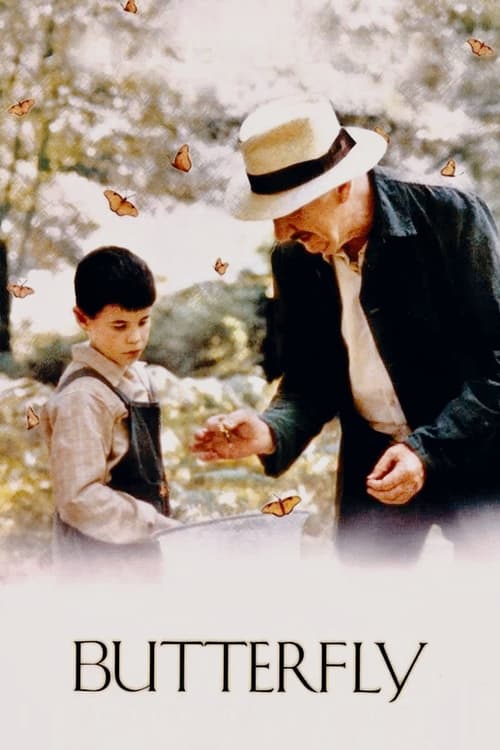
Butterfly
1999
No user ratings available yet
Representation score: 2.3 out of 10
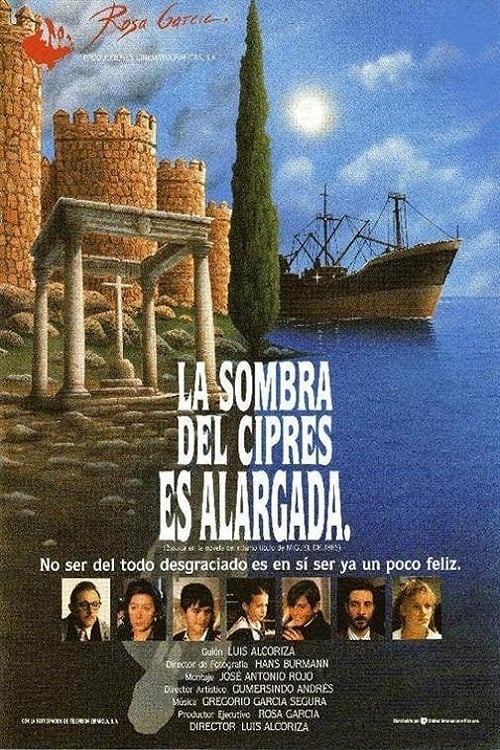
Representation Score
Fair
1990
Director
Luis Alcoriza
Runtime
100 minutes
Average Rating
No ratings yetNew Showbiz Analysis
Luis Alcoriza’s direction brings a sophisticated, deconstructive perspective to this period drama. Instead of a straightforward coming-of-age story, the film uses the provincial setting to explore how institutionalized morality and social structures impact individual psychological development. The film excels in examining complex emotional landscapes and existential questions. It avoids clichéd narratives by focusing on the philosophical relationship between life and death, offering a nuanced look at how mentorship and domestic life shape a person's worldview. However, the film adheres to the traditional constraints of its historical setting. The representation of gender and race follows established social hierarchies, and the absence of explicit LGBTQ+ identities keeps the narrative within more conventional boundaries.
Category Breakdown
Pedro and Alfredo share strong emotional bonds, but the film does not explicitly confirm their queer identities.
Female characters such as Doña Gregoria and Martina play key roles in Pedro's upbringing. However, the story remains centered around the male figure, Don Mateo.
The film reflects the social hierarchies of its time, set in an early 20th-century provincial environment. There is no indication of diverse racial or ethnic casting.
The story delves into existential themes of life and death, critiquing how traditional family and educational structures shape a child's psyche.
The narrative does not include any characters with visible or invisible disabilities.
Present on Screen
Limited or Absent
Official Synopsis
Avila, early twentieth century. Pedro, a boy of nine years, accompanied by his tutor, comes to live in the house of Don Mateo, a teacher that from that moment will be responsible for his education. Pedro begins an almost familiar relationship with Doña Gregoria and Martina, wife and daughter of his master. The appearance of Alfredo, and roommate and colleague of studies, complete the circle of his emotional environment. Provincial life, relationships with peers and the special relationship between life and death instilled by Don Mateo, definitely will influence his future life.
1999
2000

1999
1969

2010
2014

2004
1964
No reviews yet. Be the first to share your thoughts on this movie!
Use the rating form above to leave a star rating and optional review.